Playbooks

Quick Reference
Breakdown
Inside Zone out of Shotgun Spread Y-Slot Wk is a true zone blocking run play with four receivers spread wide (two to each side) to clear the box and keep defenders honest in space. The offensive line executes a zone blocking scheme, sliding as a unit and reading the playside defensive linemen to create a natural cutback lane, with the HB taking a slight angle behind the QB before pressing the line of scrimmage. The primary read progression starts with the playside gap: the RB presses downhill, reads the double team at the point of attack, and decides between the bang (A gap), bend (cutback), or bounce (edge) lane based on how the frontside defenders flow.
Defensive Reads
Pre-snap, check safety depth: if both safeties are at 10-plus yards in a two-high shell, the box is likely light and this run has a strong angle to hit for positive yardage. Watch linebacker depth and alignment: linebackers cheating downhill or stacked directly behind the defensive line signal run blitz timing that can blow up the zone scheme before the RB reaches the line. Post-snap, key the playside defensive tackle and end: if they get washed down by the double team, the cutback lane behind them is the primary running lane. Beware user-controlled linebackers flowing hard downhill immediately at the snap, since a disciplined lurking defender who reads zone flow can string the play out and force a negative gain. This play struggles against Cover 0 and Cover 1 robber looks with an extra run defender in the box, but it consistently gains positive yards versus Cover 2 and Cover 3 shells that keep both safeties deep.
Usage Tips
Attack light boxes with 6 or fewer defenders since the spread formation removes extra run support and forces the defense to declare coverage before the snap.
Use this early in a series to set up RPO Zone Peek and RPO Read Bubble later in the drive, since the alignment looks identical and forces linebackers to hesitate on run fits.
On second and short or first and ten, lean on Inside Zone to keep defenses honest before hitting them with HB Slip Screen or HB Mid Draw out of the same personnel look.
Manually control the fullback or nearest blocker at the mesh point if the defense shows a heavy blitz look, since AI blocking can miss late-arriving linebackers on nano blitz packages.
Avoid calling this into stacked eight-man fronts or heavy Cover 0 blitz packages, since the lack of a lead blocker makes it difficult to win consistently against extra defenders in the box.
Other Plays in Spread Y-Slot Wk
 Cake Read OptionRead Option, Run Play
 Corner StrikeCorner, Pass Play, Block and Release +1
 Curl ComboCurl, Pass Play, Flat +1
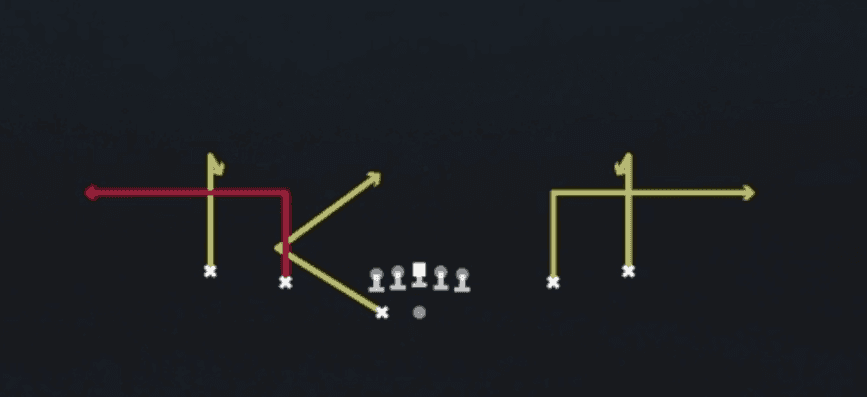 Curl OutsCurl, Pass Play, Out +3
 DaggerDagger, Pass Play, Cover 2 Beater +7
 Double CrossCrosser, Pass Play, Post +4
 Double PostPost, Double Posts, Pass Play +6
- Double ScreenScreen Pass, Bubble Screen, Swing +1
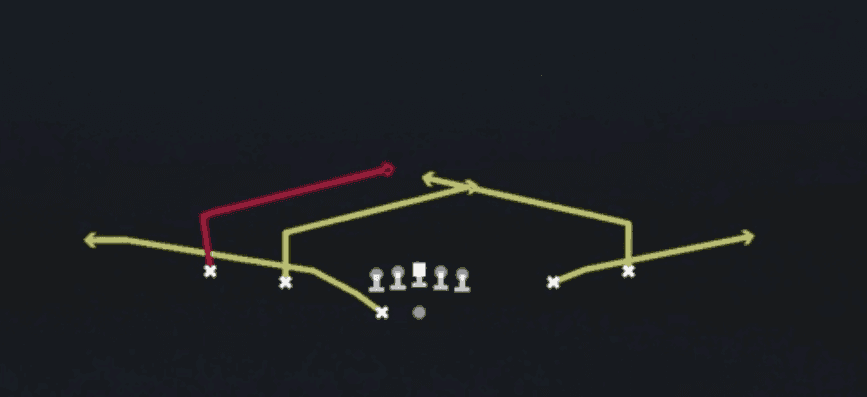 Double SlantsSlant, Pass Play, Flat
 Four VerticalsFour Verts, Pass Play, Cover 2 Beater +5
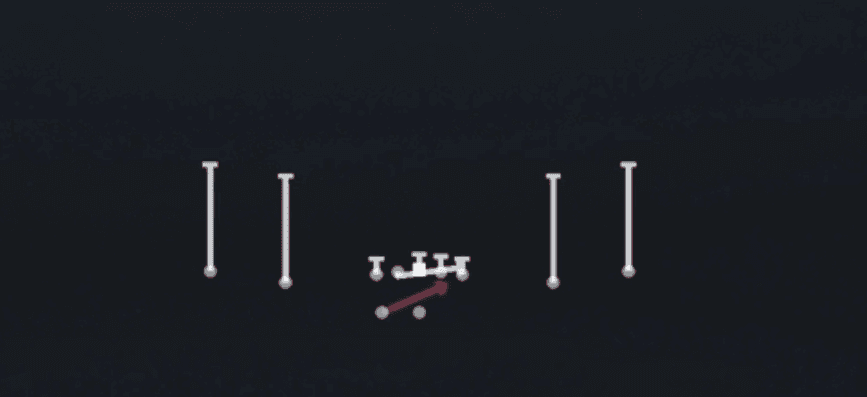 HB BaseDive, Run Play
 HB CounterCounter, Run Play, Power Run
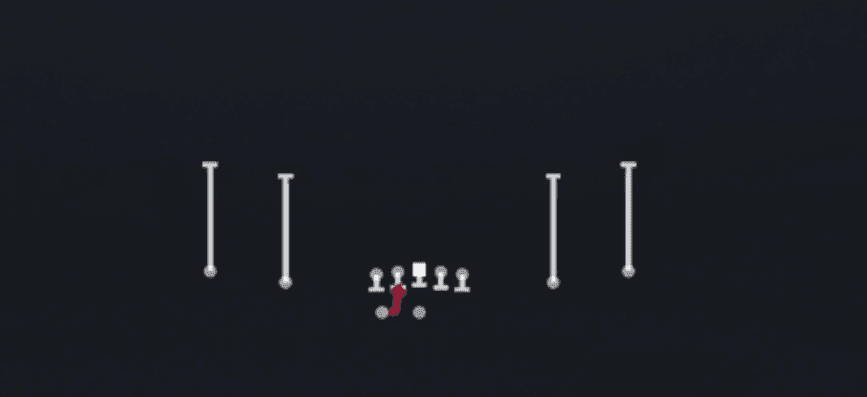 HB Mid DrawDraw, Run Play
 HB Off TackleOff Tackle, Run Play
- HB ScreenScreen Pass, Curl, Fade +4
 HB Slip ScreenScreen Pass, Hb Screen, Pass Play +2
- H CrossCrosser, Corner, Deep Cross +4
 Hitch SeamHitch, Seam, Pass Play +2
 H Shallow CrossShallow Cross, Pass Play, Crosser +5
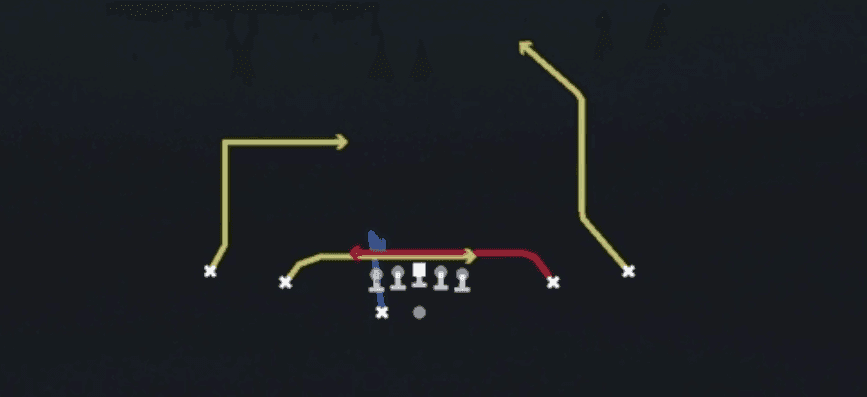 Inside CrossCrosser, Pass Play, Block and Release +3
 Mtn All CurlCurl, All Curls, Motion +3
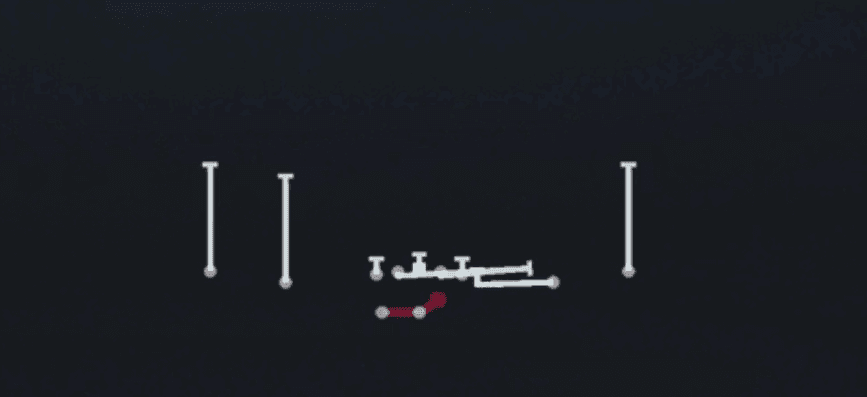 Mtn Buck SweepSweep, Motion, Run Play
- Mtn Buck Sweep(y Stops)Sweep, Motion, Run Play
 Mtn Dbl Pass HB ScreenScreen Pass, Hb Screen, Motion +2
- Mtn Fk Dbl PassMotion, Bubble Screen, In +3
 Mtn Fk Double PassMotion, Trick Play
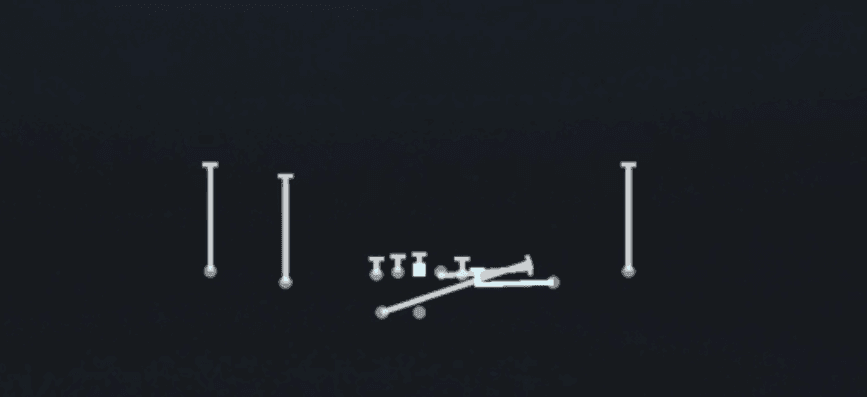 Mtn G DownMotion, Run Play
 Mtn HB CounterCounter, Motion, Run Play +1
- Mtn HB SwingSwing, Out, Streak +1
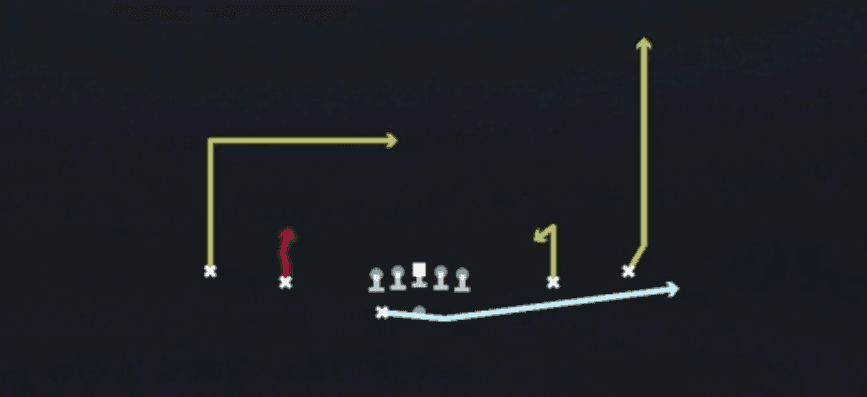 Mtn H OptionOption Route, Motion, Pass Play +4
 Mtn In N UpMotion, Pass Play, Drag +4
 Mtn Inside Zone SplitInside Zone, Motion, Run Play +1
 Mtn PA CrossPlay Action, Motion, Pass Play +5
 Mtn RPO Zone PeekRPO, Motion, Pass Play +3
 Mtn Switch SeamsMotion, Seam, Pass Play +4
- Mtn Z SpotCorner, Out, Swing +1
 PA Bubble Y OverPlay Action, Pass Play, Bubble Screen +5
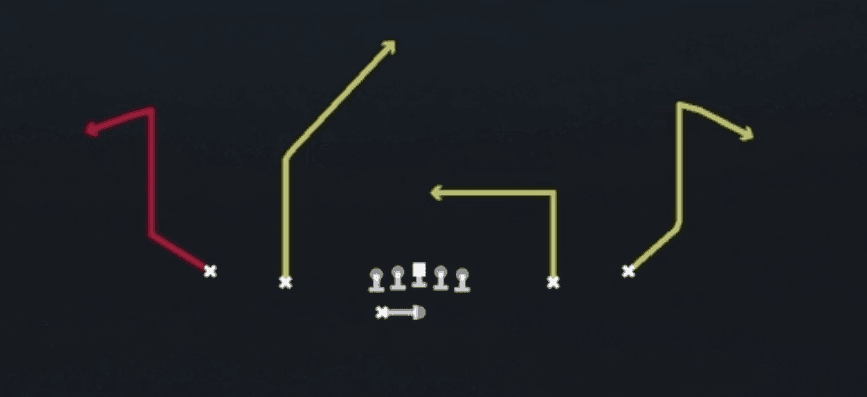 PA ComebacksPlay Action, Pass Play, Comeback +2
 PA DaggerPlay Action, Dagger, Pass Play +7
 PA ReadPlay Action, Pass Play, Comeback +5
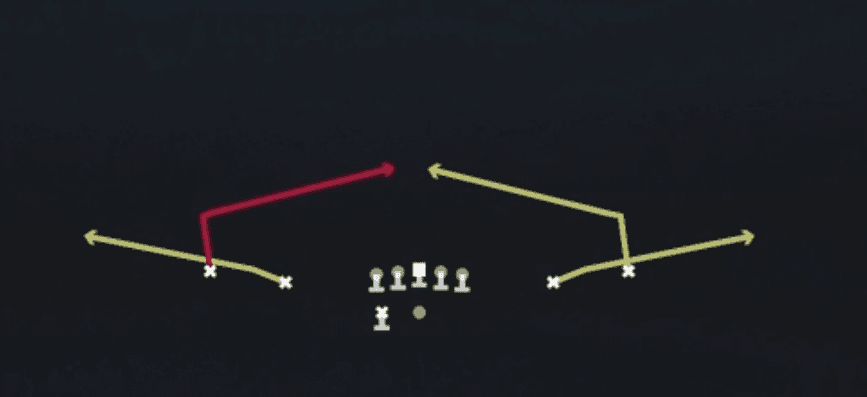 Quick SlantsSlant, Pass Play, Flat
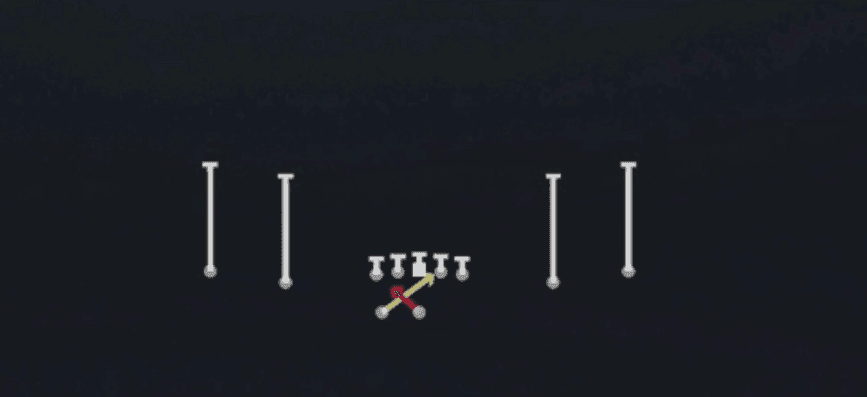 Read OptionRead Option, Run Play
 Redzone HB ScissorsScissors, Pass Play, Cover 2 Beater +5
 RPO Peek SlantRPO, Slant, Pass Play +1
- RPO Power PeekIn, Slant, Pass Play +1
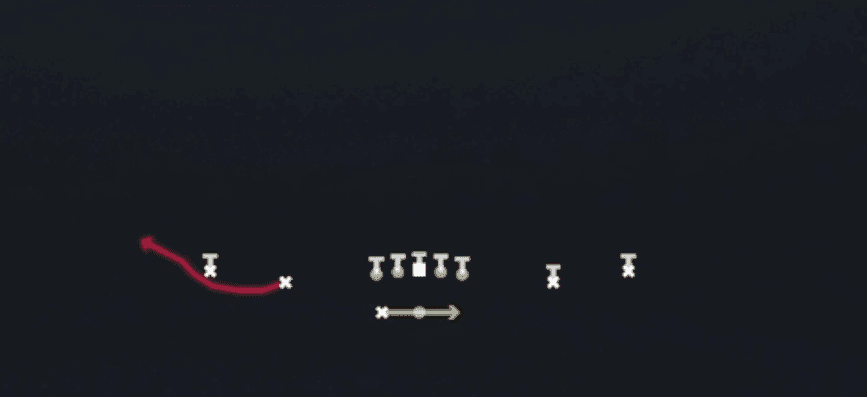 RPO Read BubbleRPO, Pass Play, Run Play +1
 RPO Read WR ScreenScreen Pass, Wr Screen, RPO +3
- RPO Zone PeekRPO, Pass Play, Run Play +2
 Slot OutsOut, Pass Play, Angle +3
 Smash CornersSmash, Pass Play, Cover 2 Beater +5
 Spot Y CrossSpot, Y Cross, Pass Play +6
 Vert ComebacksComeback, Pass Play, Option Route +2
- WheeliesOption Route, Post, In +2
 WR UnderPass Play, Quick Pass, Out +9
 X DaggerDagger, Pass Play, Cover 2 Beater +7