Playbooks
Quick Reference
In 2 playbooks
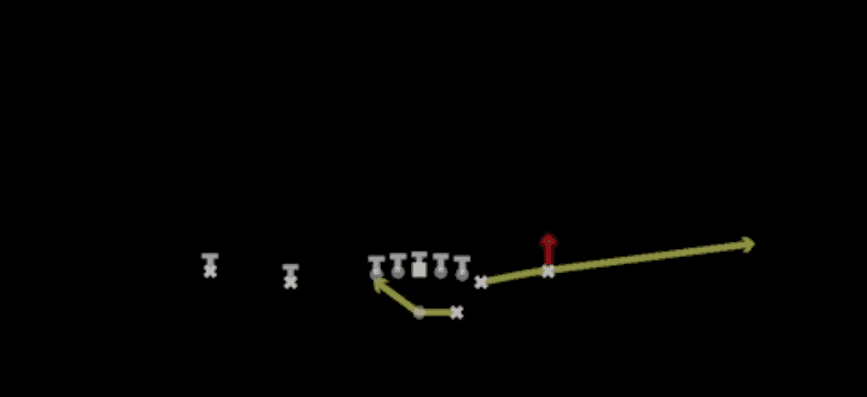
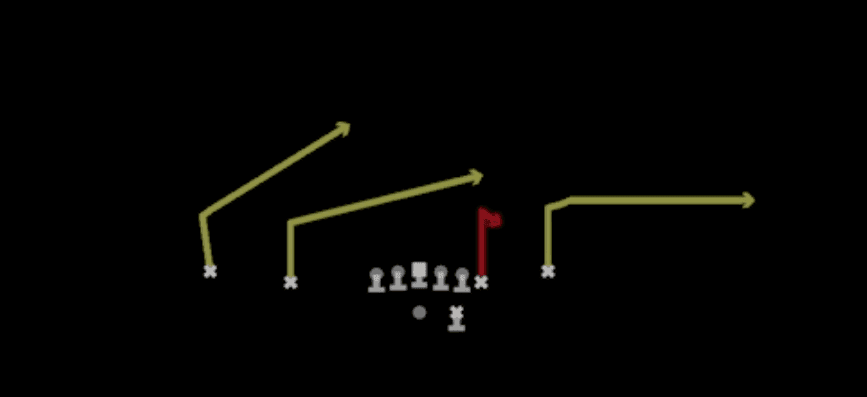
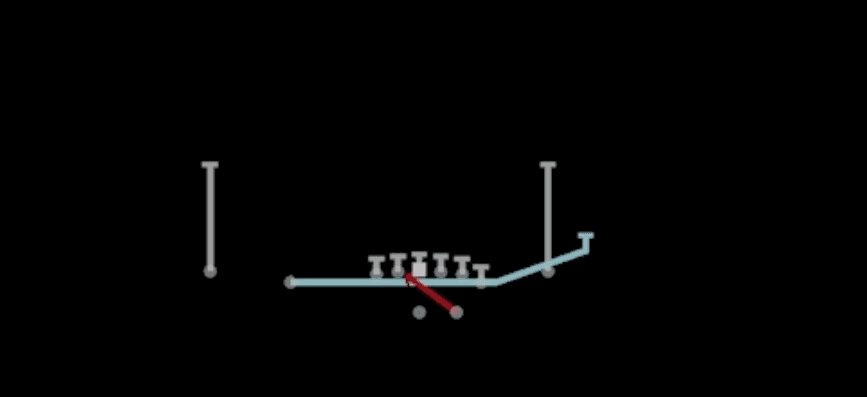
Receiver routes
Depth-chart slots are shown as they line up in the base package for this set.
| Player | Side | Route |
|---|---|---|
| SLWR | Left | Hitch |
| WR1 | Left | Option Route |
| WR2 | Right | Out |
| TE1 | Right | Run Block |
Read progression
- WR2 right, Out
- SLWR left, Hitch or WR1 left, Option Route
Breakdown
RPO Zone Omaha Hitch is a run pass option out of Shotgun 11 personnel that pairs an inside zone run scheme with an Omaha style hitch and quick game combo attached to the backside. The quarterback reads the second level defender (usually a flowing linebacker or slot corner) to decide between handing off the zone run or pulling and throwing the hitch route for a quick, easy completion. This play is built as a zone beater since the hitch settles into soft spots created by off man or zone drops, and the primary read progression starts with the run key defender before working to the hitch and any underneath alert route.
Defensive Reads
Identify if the defense is in a two high shell or single high shell before the snap, two high shells generally leave the hitch throwing lane open longer. Key the play side linebacker, if he crashes hard on the run fit immediately, that confirms the throw read for the hitch. Watch for a user controlled defender sitting in a shallow zone or lurking near the hitch route, this is the primary way defenses take away the quick throw. Man coverage with no safety help over the top is the biggest weakness for a nano blitz style front, since the zone run action can still hit if the front is light in the box. Heavy blitz packages with quick pressure off the edge can beat this play if the quarterback holds the ball too long deciding between run and pass, so make the RPO decision fast.
Usage Tips
Check the box count before the snap and if the defense is stacked in the run fit, plan to throw the RPO read instead of forcing the handoff.
Look at the slot defender depth pre-snap, if he is playing off coverage or sitting in a zone shell, the hitch route will be there almost immediately after the snap.
Use the hot route menu to convert the hitch into a speed out or slant if you see aggressive man coverage jumping the stick window.
This play works best on early downs (first and second down) where defenses are more likely to sell out against the run, opening the RPO throw.
Pair this call with RPO Zone Snag or RPO Zone Stick in the same set to keep the defense guessing between hitch, snag, and stick concepts off the same zone run action.
Other Plays in Normal Y Off Close
 Cheat Flat X PostFlat, Post, Motion +3
 Cheat Inside ZoneInside Zone, Motion, Run Play +1
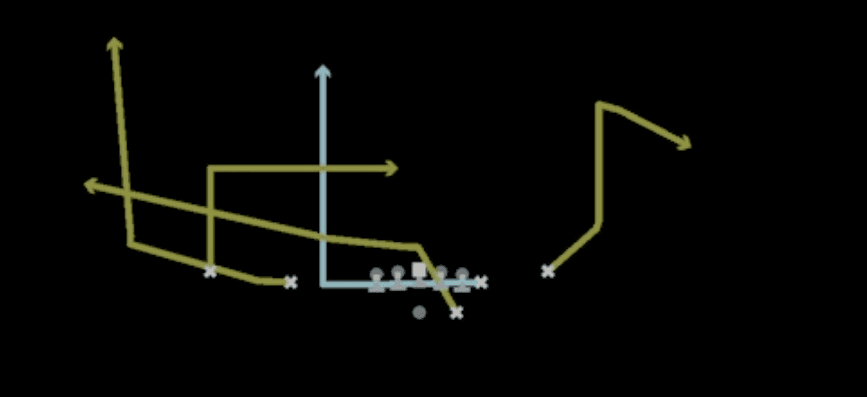 Cheat Slash Wheel InWheel, Motion, Pass Play +3
 Cheat Slot FadeFade, Motion, Pass Play +4
 Cheat TE AngleAngle, Motion, Pass Play +5
 Cheat TE ScreenScreen Pass, Te Screen, Motion +3
 Double SlantSlant, Pass Play, Post +2
 Empty Mtn HB SwingSwing, Motion, Pass Play +1
 Empty Mtn Jailbreak ScreenScreen Pass, Wr Screen, Motion +5
 Empty Mtn Spot ReplaceSpot, Motion, Pass Play +5
 EscapePass Play, Flood, Corner +10
- Exit HB Cross ScreenScreen Pass, Crosser, Corner +3
- Exit PA SmashCorner, Deep Cross, Crosser +6
- Exit RPO Zone HitchesHitch, Fade, Pass Play +1
- Fake Jet Y WheelPlay Action, Wheel, Motion +3
 Fk Jet Y WheelPlay Action, Wheel, Motion +1
- Flood H PostPost, Corner, Curl +2
 Inside ZoneInside Zone, Run Play, Zone Run
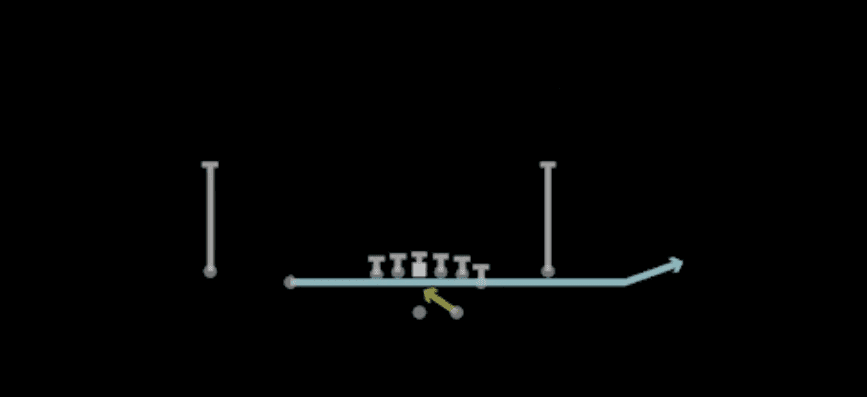 Jet Pass Fk ZoneMotion, Run Play
 Jet Touch PassMotion, Run Play
 Mesh SpotSpot, Mesh, Pass Play +7
 Mtn Angle Y WheelWheel, Angle, Motion +5
- Mtn Dash FloodCorner, Deep Cross, Crosser +3
 Mtn HB AngleAngle, Motion, Pass Play +4
 Mtn HB SwingSwing, Motion, Pass Play +1
- Mtn Inside ZoneRun Play
- Mtn PA BootBlock and Release, Corner, Deep Cross +5
- Mtn Slot Shallow CrossShallow Cross, Crosser, Curl +5
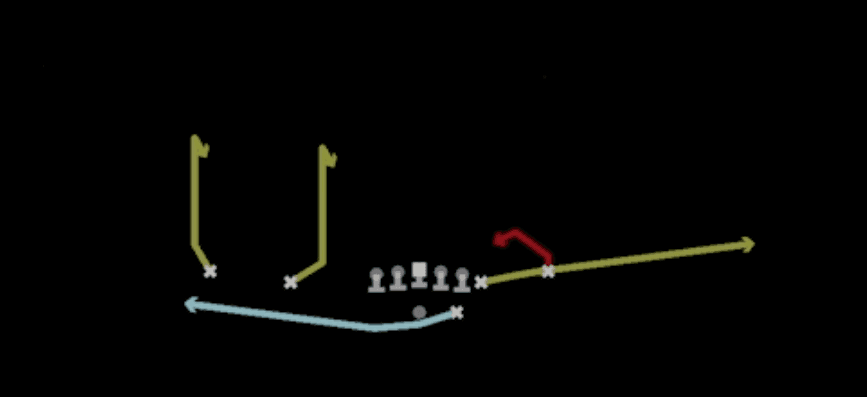 Mtn Snag CurlsSnag, Snag Concept, Motion +5
 Mtn Switch CornerCorner, Motion, Pass Play +4
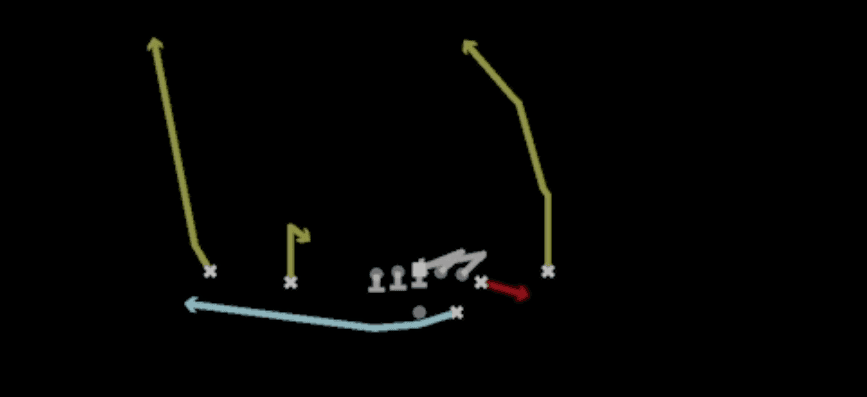 Mtn TE Middle ScreenScreen Pass, Te Screen, Motion +7
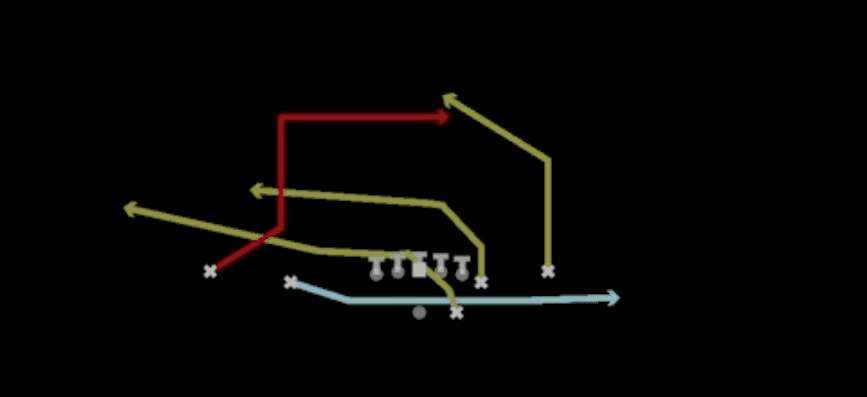 PA Jet SweepSweep, Jet Sweep, Play Action +7
 PA SnagPlay Action, Snag, Snag Concept +5
 Power ReadPower, Run Play, Power Run
 Read Counter BashCounter, Run Play, Power Run
 Read OptionRead Option, Run Play
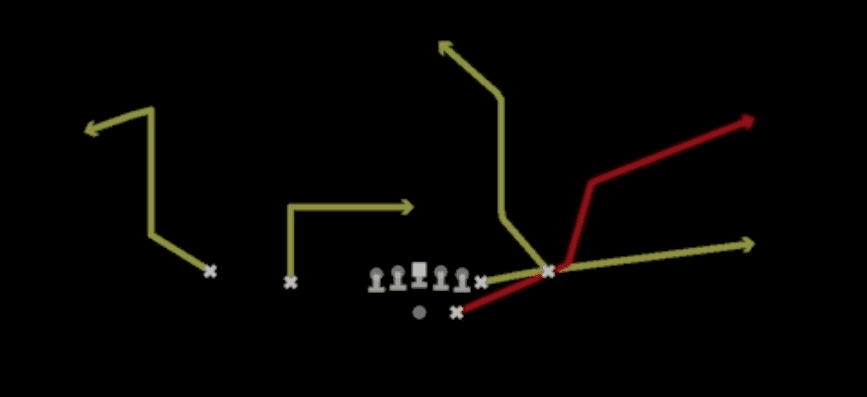 Redzone ScissorsScissors, Pass Play, Cover 2 Beater +6
 Reload HB SweepSweep, Motion, Run Play
 Reload Mesh SpotSpot, Mesh, Motion +8
 Reload PA CrossPlay Action, Motion, Pass Play +6
- Reload PA Deep SailCorner, Post, Flat +7
- Reload PA Shake BubblePlay Action, Motion, Pass Play +5
- Reload Quick HB TrailAngle, Corner, Deep Cross +4
- Reload RPO Zone SnagSnag, Bubble Screen, Flat +2
 RPO Alert Cheat BubbleRPO, Motion, Pass Play +3
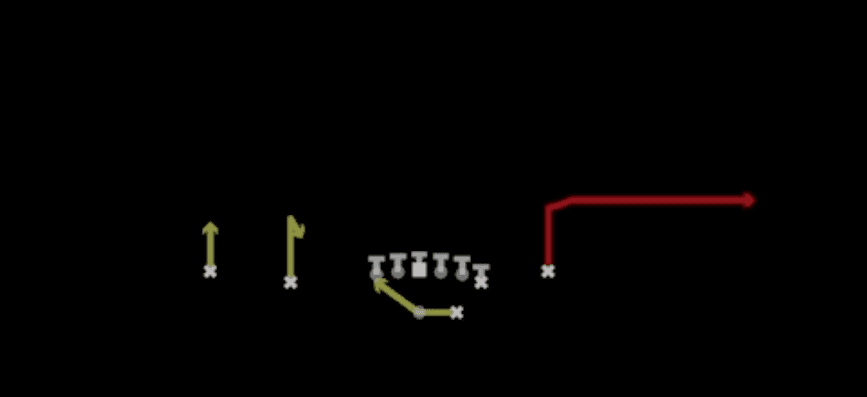 RPO Alert OutRPO, Out, Pass Play +1
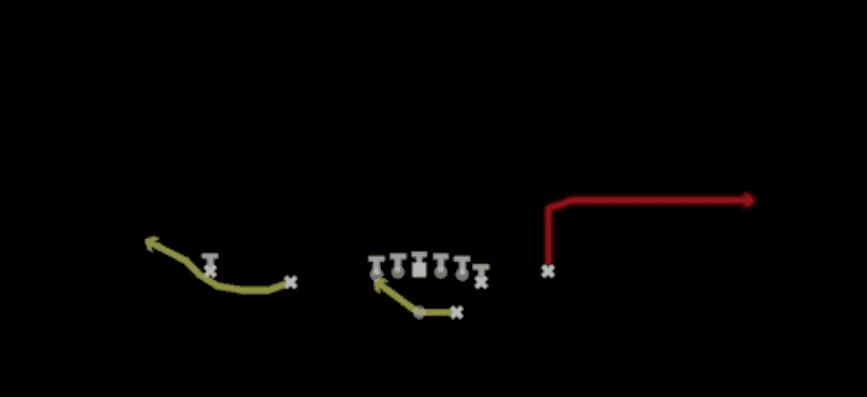 RPO Alert OutRPO, Out, Pass Play +1
 RPO Glance PostRPO, Post, Pass Play +1
 RPO Peek SpotRPO, Spot, Pass Play +2
 RPO Peek StickRPO, Stick, Stick Concept +2
- RPO Zone Alert OmahaRPO, Pass Play, Run Play +2
- RPO Zone Peek GlanceRPO, Pass Play, Run Play +2
- RPO Zone SnagRPO, Snag, Snag Concept +6
- RPO Zone StickRPO, Stick, Stick Concept +3
- RZ Cross HB ChoiceCrosser, Option Route, Corner +3
- Same Side ZoneRun Play
 Wheel SwitchWheel, Pass Play, Post Corner +2
 Y-SailSail, Pass Play, Cover 2 Beater +6
 Y StickStick, Stick Concept, Pass Play +3
 Y-Stick DigDig, Stick, Stick Concept +5
 Zone Fake JetMotion, Run Play