Playbooks
Strong I
OffenseExample Plays from Strong I






Overview
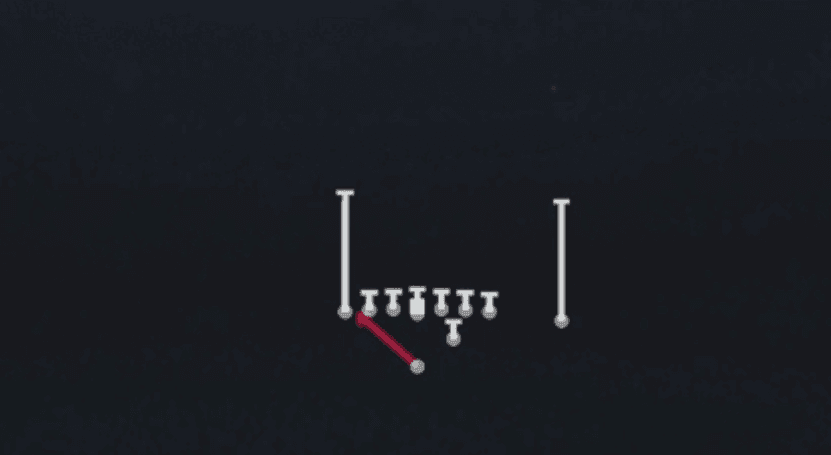
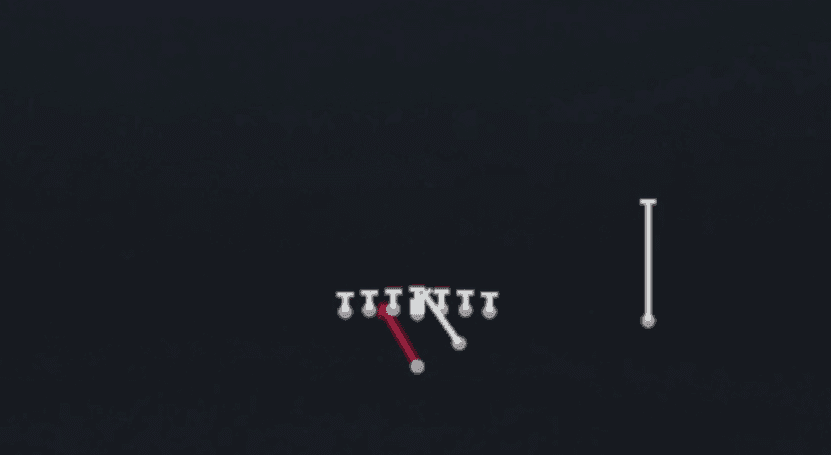
The Strong I is a two-back power formation that aligns the fullback offset toward the strong side, typically behind the tackle or guard on the tight end side, while the halfback sits deep behind the quarterback at seven to eight yards. That offset alignment gives the fullback a head start as a lead blocker on strong-side runs and immediately tells the defense where the offense wants to attack. With 17 sets spanning 21, 22, and 23 personnel, the Strong I scales from a two-receiver Pro or Slot look all the way up to heavy Jumbo, Tight, and H Tight Close sets built for short yardage and goal line.
Pre-snap, the formation creates a strong-side numbers advantage. The tight end and offset fullback stack blockers to one side, forcing defenses to either roll a safety down into the box or accept being outgapped on Power O, Iso, and Toss concepts. Sets like Wing, H Wing, and Wing Close add another attached blocker off the edge, while Close, Z Close, and Close Flex condense receivers tight to the core to crack safeties and set up play-action crossers underneath rotating coverage.
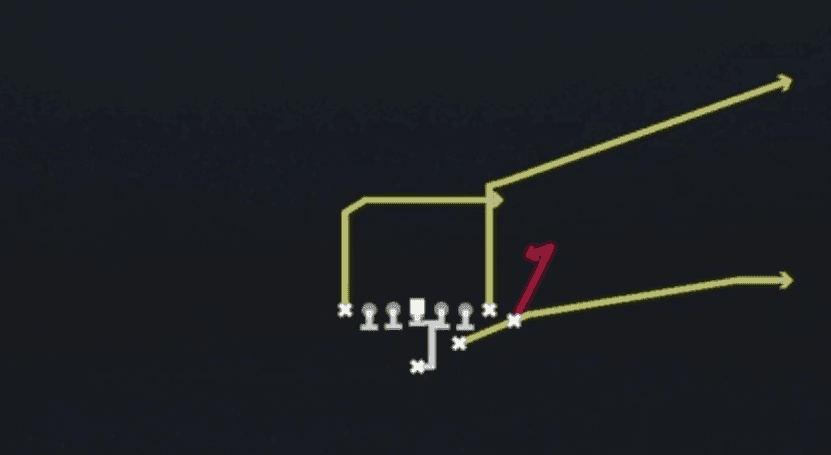
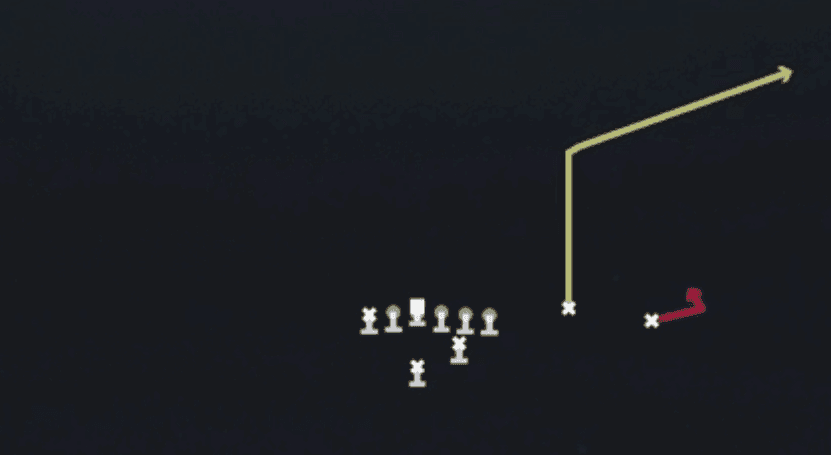
The philosophy is downhill, physical football that sets up play-action. Once a defense commits an extra defender to stop the strong-side run, the Strong I punishes it with PA Boot rollouts, flood concepts to the strong side, and backside posts or deep crossers that attack the vacated middle of the field. Twins Over, Slot Flex, and Y Open Flex sets let the offense spread a defense out from the same backfield look, creating matchups against linebackers and nickel defenders who are cheating toward the run.
At a Glance
The Strong I is built for power run and play-action heavy systems, fitting a traditional pro-style or West Coast play-caller who wants to control the clock and build explosive shots off run action. It rewards rosters with a high run block fullback, a physical downhill halfback, blocking tight ends, and a quarterback with solid throw on the run for PA Boot rollouts. Spread and air raid players will find it too condensed, but anyone running a ground-and-pound identity in franchise mode will get tremendous value from it.
Strengths
- The offset fullback provides an instant lead blocker on strong-side Power O, Iso, and Toss, letting you outnumber the defense at the point of attack without motion or shifts.
- Massive set variety across 21, 22, and 23 personnel means you can run nearly identical backfield action from Pro, Slot Flex, Twins Over, and Jumbo, keeping opponents from sub-packaging efficiently.
- Play-action is elite because the run fit tendencies are so obvious: PA Boot and PA Power concepts pull linebackers downhill and open intermediate crossers and corner routes against Cover 3 and Cover 1.
- Close and Z Close sets compress splits for natural rubs and pick action, making flood and cross concepts effective man beaters against press coverage.
- Heavy sets like Jumbo, Tight, and H Tight Close give you some of the best short yardage and goal line packages in the game, especially with a high run block fullback and blocking tight ends.
Weaknesses
- The offset fullback telegraphs run strength, so defenses can slant or shift the defensive line strong and set an edge before the snap, blowing up Power and Toss concepts.
- Aggressive nano blitzes from the weak side are dangerous because the halfback's deep alignment makes pass protection pickups slower, and the fullback is often already committed strong.
- A user-controlled safety or linebacker lurking the middle hook zone can sit on PA Boot crossers and deep dig routes that are the formation's primary answers to loaded boxes.
- With only two or three true receivers in most sets, Cover 2 Man and Cover 4 with bracket help can blanket your targets and force checkdowns into the flats.
- Heavy 22 and 23 personnel sets limit your ability to spread out and hot route out of trouble, making you predictable on obvious passing downs.
Usage Tips
Flip the strong side with formation flip or run the opposite set so the fullback's alignment does not always point to the same hash; opponents who key off offset alignment will overcommit.
Establish Power O and Iso early on first and second down, then call PA Boot or PA Power from the same set to attack the linebackers who start triggering downhill on your run fake.
Against a loaded box, audible to a Toss or Stretch to the weak side, or hot route the fullback to a flat so you have a quick outlet when the defense brings nano pressure.
In Twins Over and Slot Flex, use motion to reveal man or zone, then hot route the slot to a slant or drag to create a quick man beater off the rub while the fullback chips.
Save Jumbo, Tight, and H Tight Close for third and short, fourth down, and goal line, and mix in a PA fullback flat or tight end corner once your opponent brings heavy goal line personnel.
Sets (17)
 Jumbo232 RB · 3 TE · 0 WR7 playsSpecialistsGadget
 H Tight Close222 RB · 2 TE · 1 WR15 playsSpecialists3DRBGadgetPower HB
- H Wing222 RB · 2 TE · 1 WR12 playsSpecialistsGadget
 Tight222 RB · 2 TE · 1 WR13 playsSpecialistsGadget
 Wing222 RB · 2 TE · 1 WR20 playsSpecialistsGadget
 Wing Close222 RB · 2 TE · 1 WR9 playsSpecialistsGadget
 Close212 RB · 1 TE · 2 WR31 playsSpecialistsGadget
 Close Flex212 RB · 1 TE · 2 WR10 playsSpecialists3DRBGadgetPower HB
 H Close Off212 RB · 1 TE · 2 WR6 playsSpecialists3DRBGadgetPower HB
 H Slot212 RB · 1 TE · 2 WR9 playsSpecialistsGadget
 Pro212 RB · 1 TE · 2 WR41 playsSpecialistsGadget
 Slot212 RB · 1 TE · 2 WR20 playsSpecialistsGadget
 Slot Flex212 RB · 1 TE · 2 WR15 playsSpecialistsGadget
 Twins Over212 RB · 1 TE · 2 WR6 playsSpecialistsGadget
 Y Off Close212 RB · 1 TE · 2 WR15 playsSpecialists3DRBGadgetPower HB
 Y Open Flex212 RB · 1 TE · 2 WR16 playsSpecialistsGadget
 Z Close212 RB · 1 TE · 2 WR15 playsSpecialistsGadget