Playbooks

At a Glance
Overview
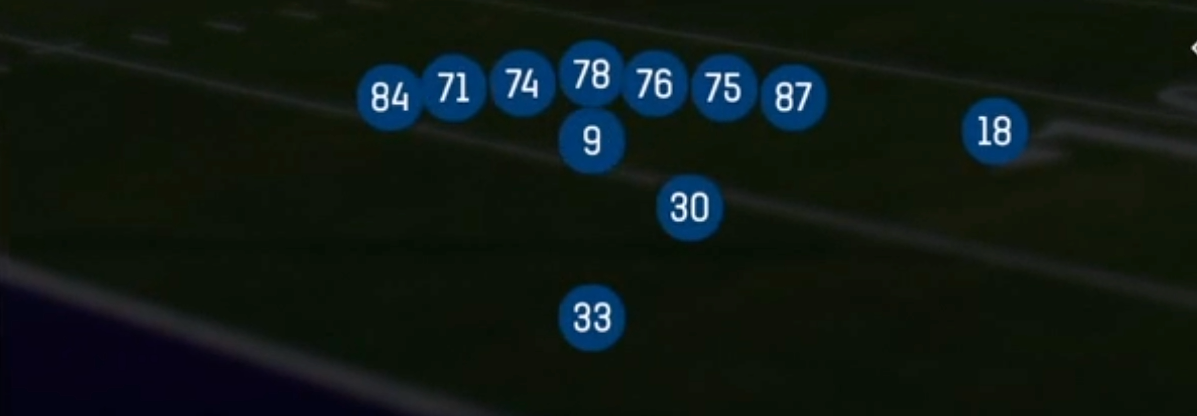
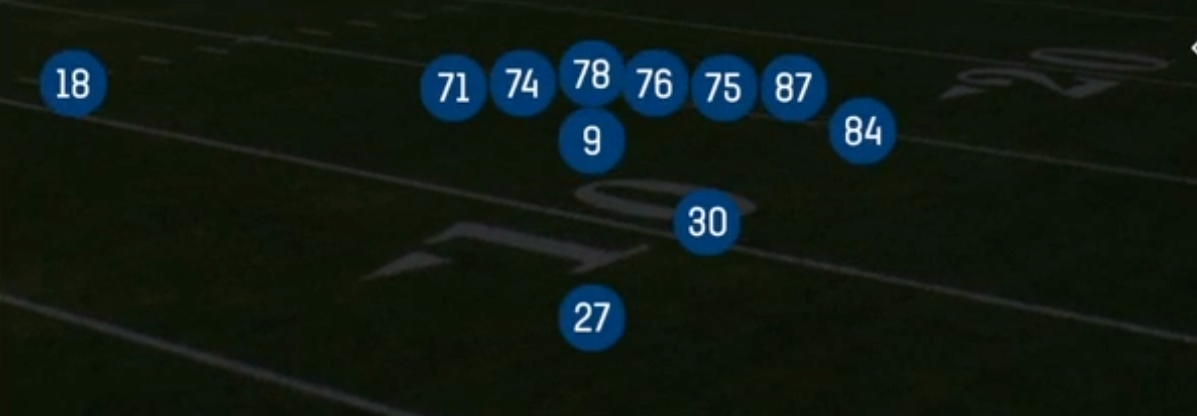
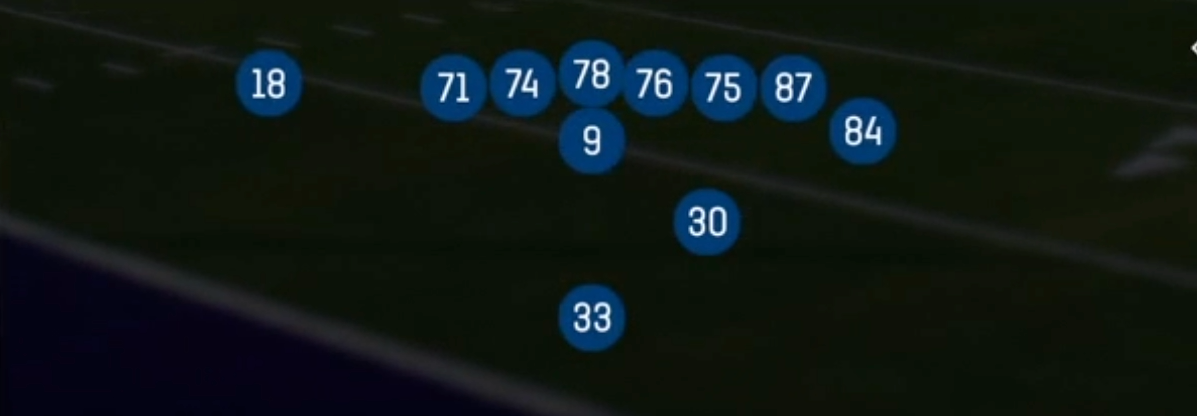
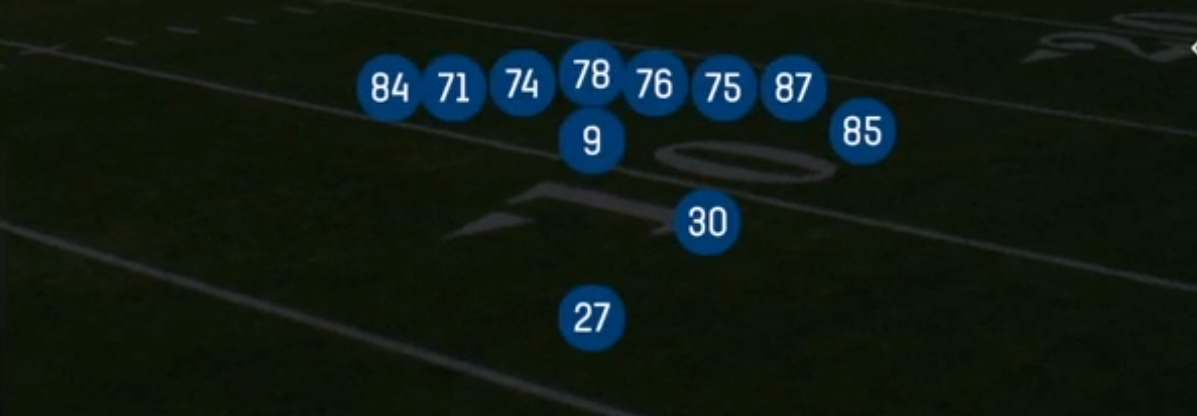
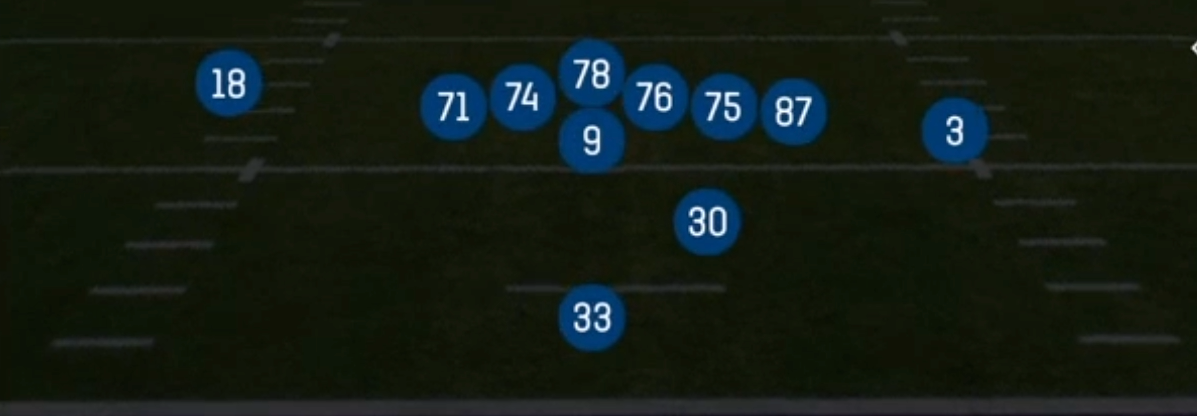
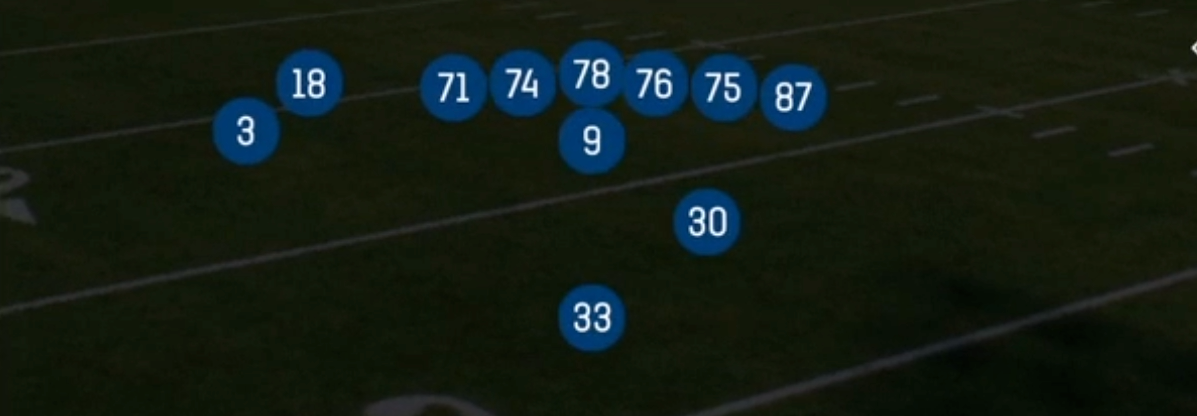
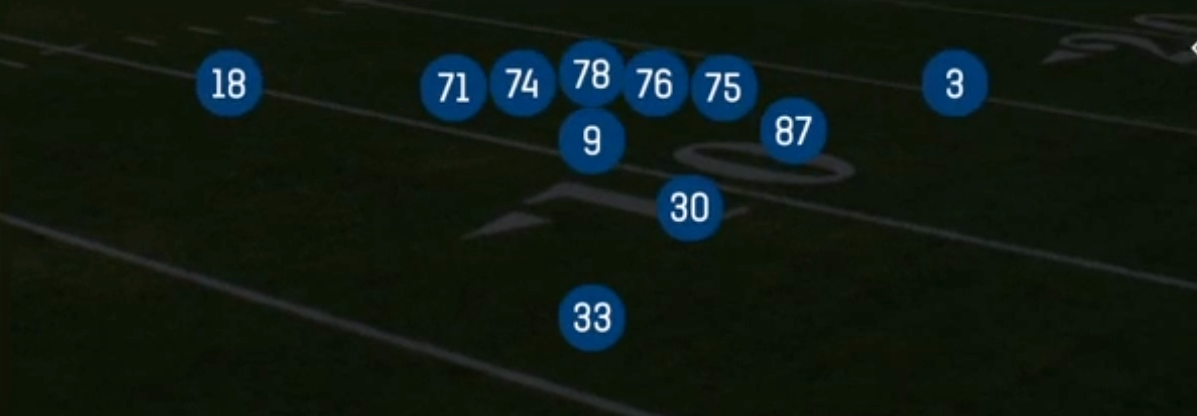
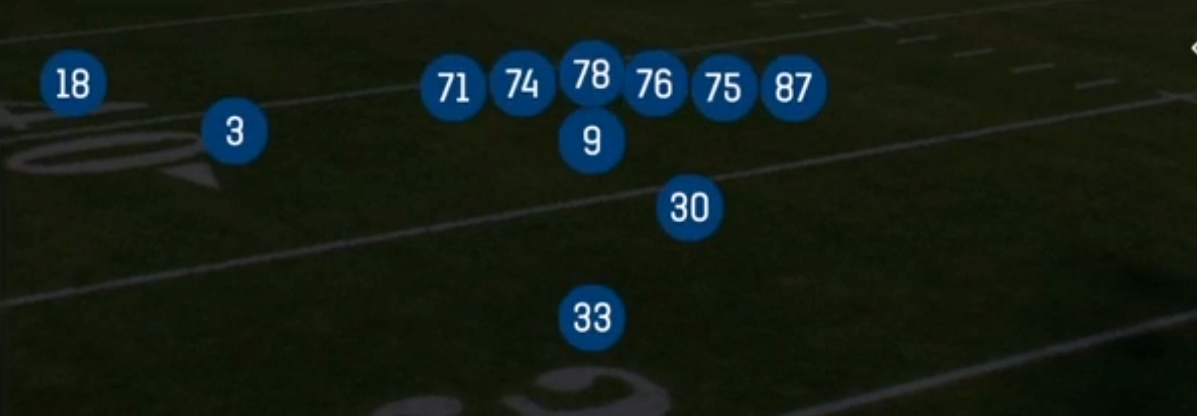
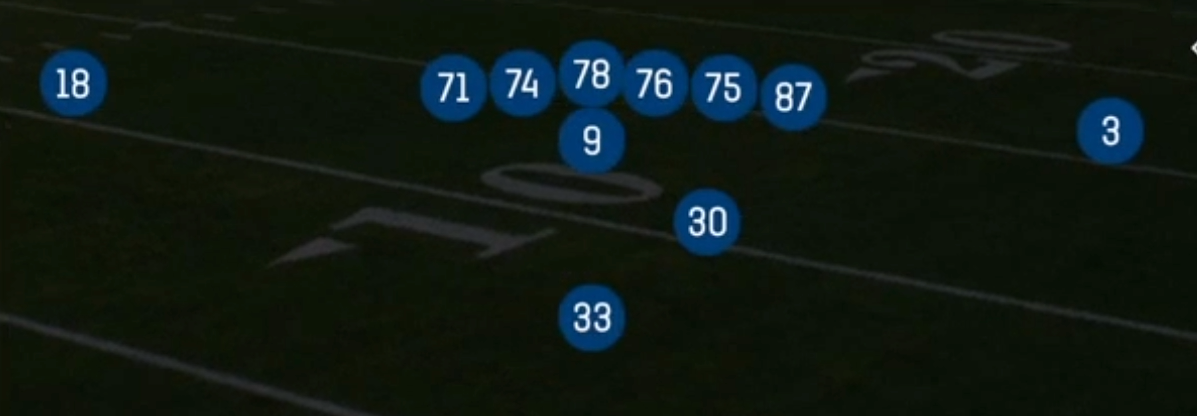
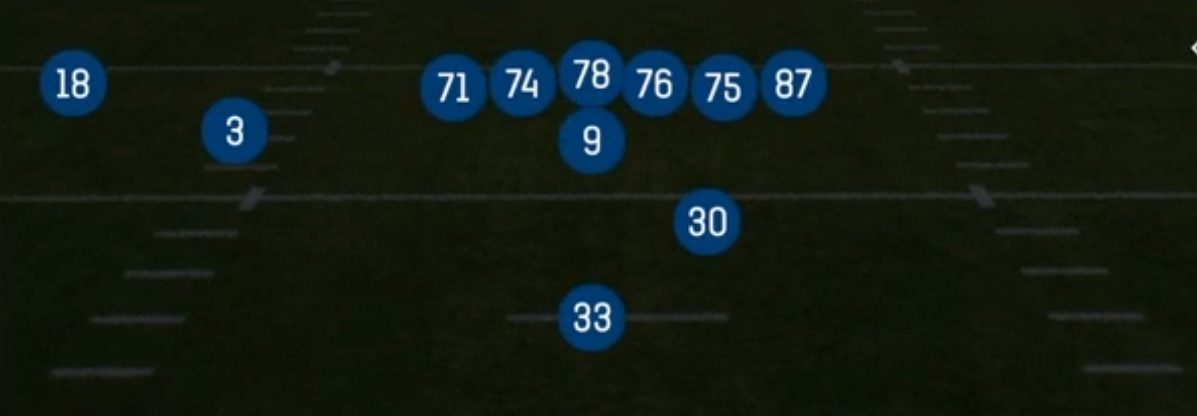
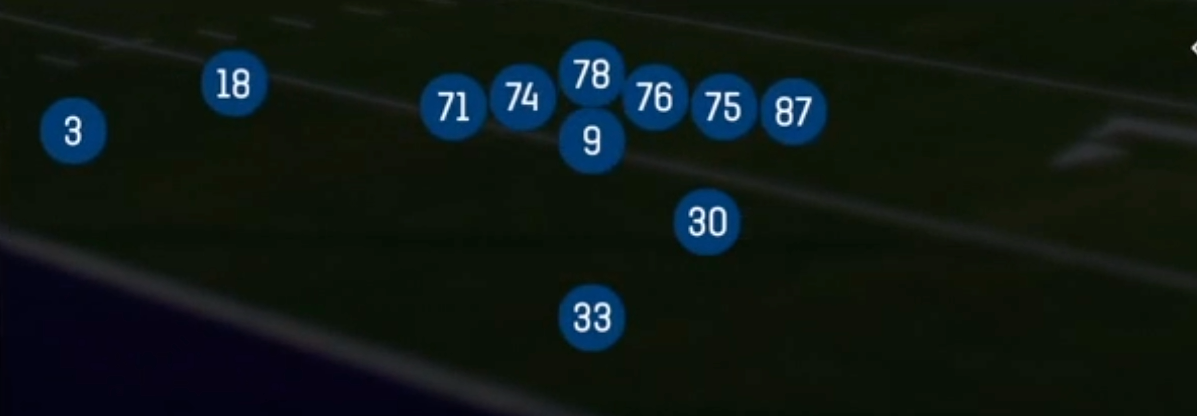
The Tight set in Strong I is a condensed 22 personnel look that puts two tight ends inline on both edges of the formation, pulls the lone wide receiver into a reduced split, and stacks the offset fullback to the strong side ahead of the halfback. Other Strong I sets spread a receiver or flex a tight end to create passing leverage. Tight goes the other way: it compresses the box, adds a blocker at the point of attack on both sides, and forces the defense to match heavy with base or goal line personnel. That creates a nine-gap problem for most 4-3 and 3-4 fronts, because every gap is threatened by a double team, a kick-out, or a lead block.
The play list follows that downhill identity. Power O, PA Power O, Counter Weak, HB Crash, and HB Blunt Dive hit gaps quickly behind pulling guards and fullback leads. HB Stretch and HB Sweep punish defenses that crash the edge to stop the inside game. FB Dive and FB Middle keep linebackers honest when they key the halfback's mesh point. The Gadget tag reflects how much misdirection the set offers from one identical pre-snap look: Counter Weak, PA Slide, and PA TE Cross all start with flow one way and attack the other.
The matchup advantage comes from the two tight ends. With heavy run action freezing linebackers, PA TE Cross and PA Slide leave a tight end working across the field against a linebacker or strong safety in man coverage, or sliding into the flat behind a zone defense that has sucked down on play fakes. The single receiver on Slants and Curls is usually isolated against a corner with no inside help, because the safeties are cheating toward the box to stop the run.
Strengths
- Power O, Counter Weak, and HB Crash give you three distinct gap-scheme runs from one identical alignment, so defenders cannot key a single tell and defensive play-calling becomes a guessing game.
- PA TE Cross is a strong man beater against Cover 1 and Cover 0: the run fake holds the hook defenders and the crossing tight end outleverages a linebacker in trail, with the fullback leak as a safe checkdown.
- PA Slide and PA Power O punish Cover 3 and Cover 4 defenses that trigger their safeties downhill on run action, opening the flat and the deep crosser behind the second level.
- The compressed look draws base and goal line personnel, which isolates the single receiver on Slants or Curls against an off corner and creates quick, easy completions on third and short.
- HB Stretch and HB Sweep use the extra inline tight end as a seal block, turning the corner quickly against defenses that pinch their defensive ends or run slant-in line shifts to stop inside runs.
Weaknesses
- With only one wide receiver and a compressed alignment, the defense can bring an extra safety into the box and win numbers against the run without losing a matchup outside.
- Nano blitzes off the edge and zero pressure from Goal Line or 46 Bear looks can blow up the fullback's lead block and the play-action mesh before PA TE Cross or PA Slide routes develop.
- A user-controlled linebacker or safety sitting in the middle hook can undercut the tight end crosser and jump FB Middle or HB Blunt Dive when the offense is predictable.
- The passing tree is thin: without play-action, Slants and Curls are the only straight dropbacks, so opponents who see heavy personnel on third and long can sit in Cover 2 Man or Cover 4 and take away the quick game.
- Crash the Line and outside contain adjustments can shut down HB Stretch and HB Sweep, forcing the offense back into the middle where the box is already loaded.
Usage Tips
Establish Power O and Counter Weak early on first down, then call PA Power O or PA Slide from the same look once you see the linebackers and strong safety triggering downhill on run fakes.
Before the snap, count the box: if the defense has eight or more defenders near the line with a single high safety, audible to PA TE Cross and look for the crosser in man coverage or the single receiver against a pressed corner.
Against edge pressure, hot route the fullback to a block or slide protection toward the blitz side on play-action, and use Slants as a quick answer when the defense shows zero coverage.
On goal line and fourth and short, FB Dive and HB Blunt Dive are fast-hitting calls that beat run commit, while HB Stretch attacks defenses that stack interior gaps; mix both so a user defender cannot sit in one gap.
Use the Gadget identity in the red zone: show Counter Weak twice, then run PA Slide to the same side, since the flat defender often commits to the run fill and leaves the slide route uncovered for an easy touchdown.
Plays (13)
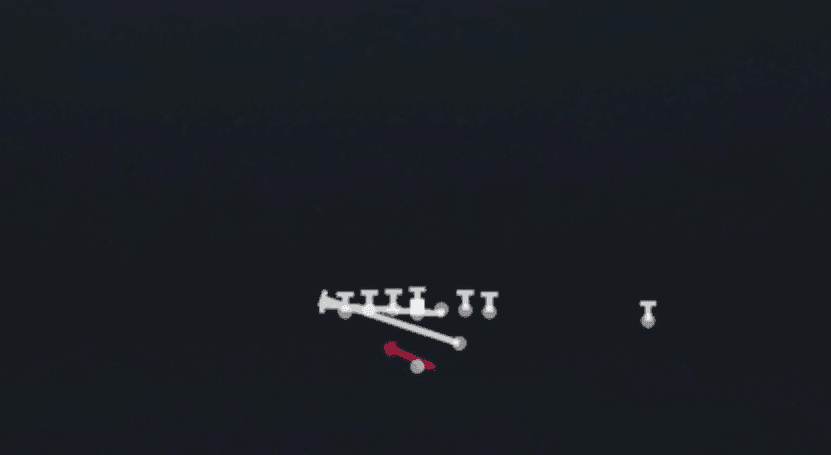 Counter WeakCounter, Run Play, Power Run
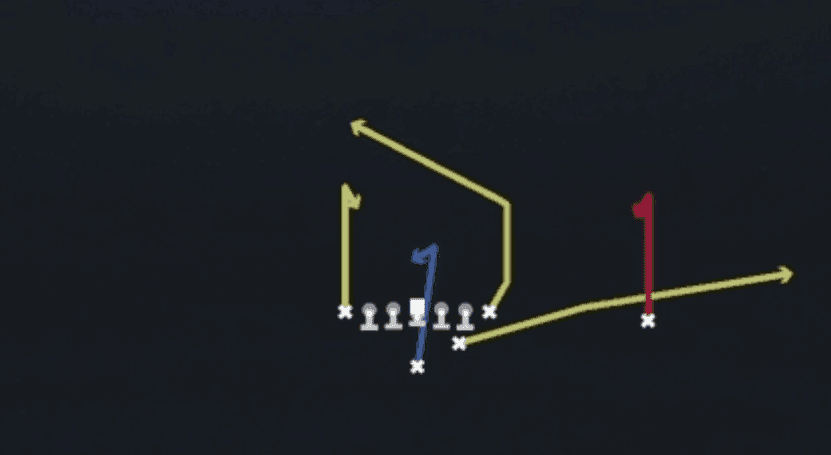 CurlsCurl, Pass Play, Block and Release +2
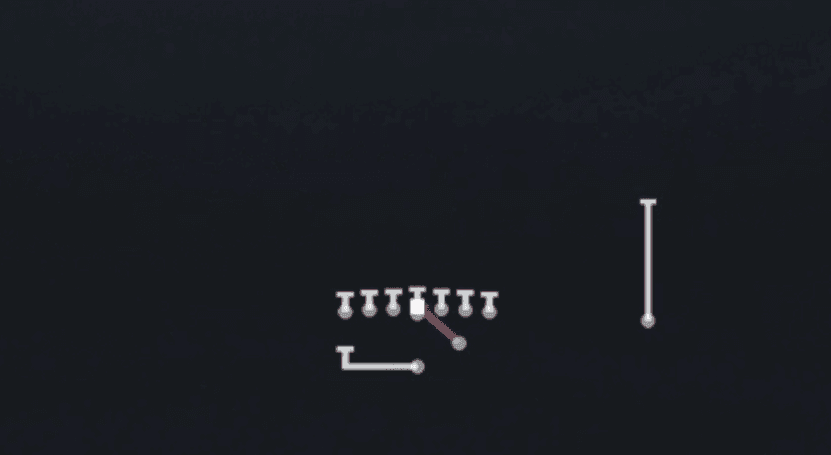 FB DiveDive, Run Play
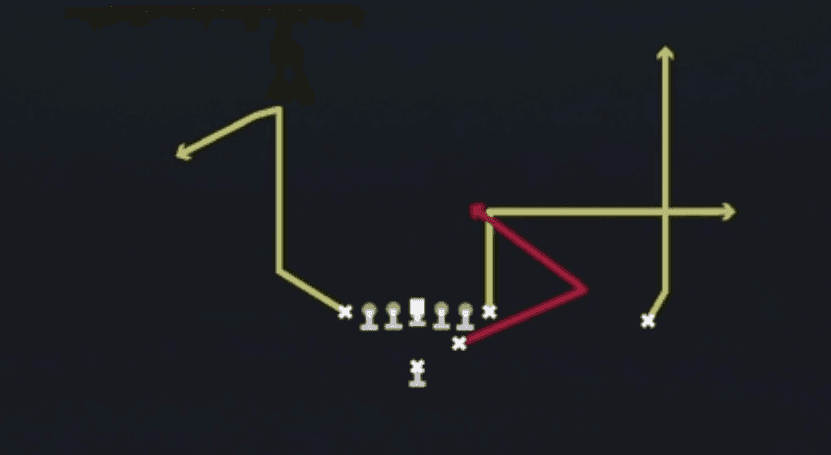 FB MiddlePower Run, Iso, Dive +5
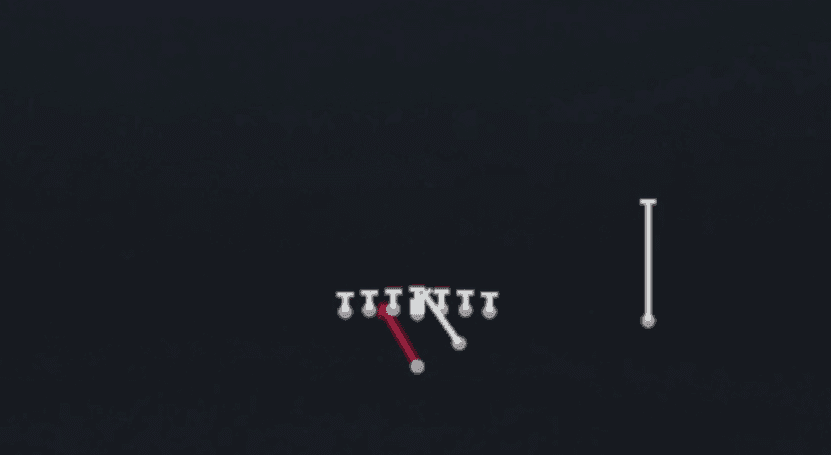 HB Blunt DiveDive, Run Play
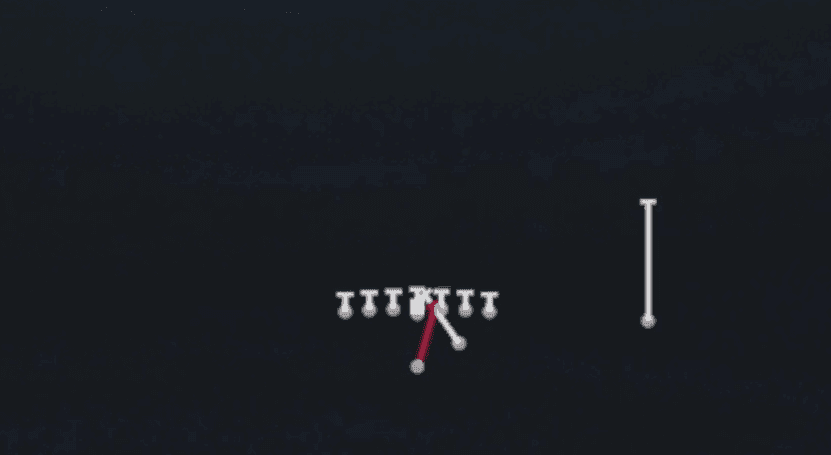 HB CrashRun Play, Power Run, Power +2
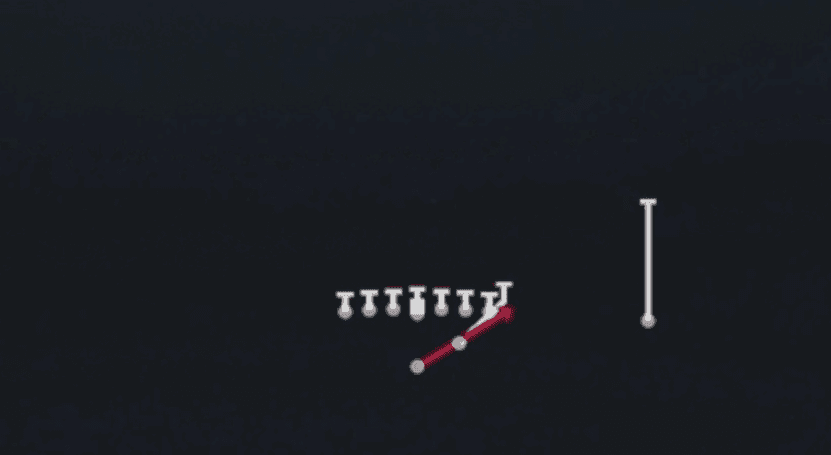 HB StretchOutside Zone, Run Play, Zone Run
- HB SweepSweep, Run Play
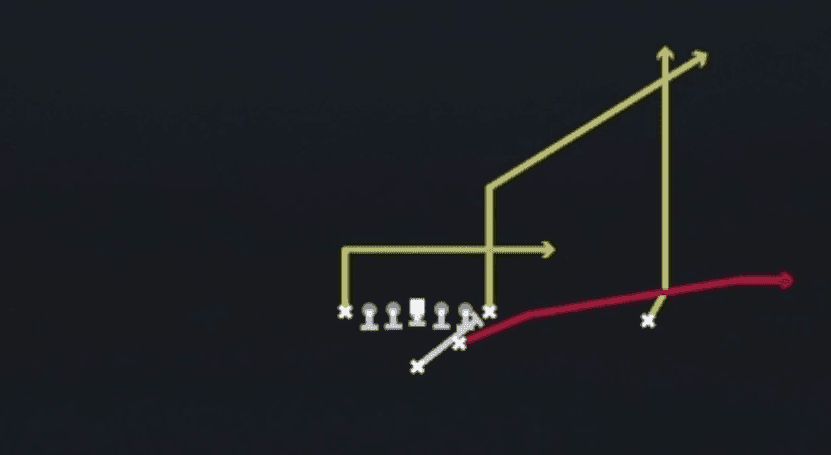 PA Power OPlay Action, Pass Play, Corner +4
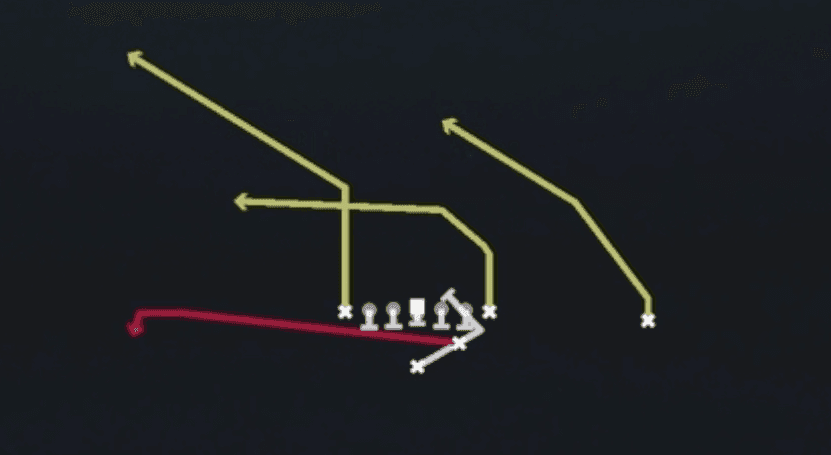 PA SlidePlay Action, Slide, Pass Play +4
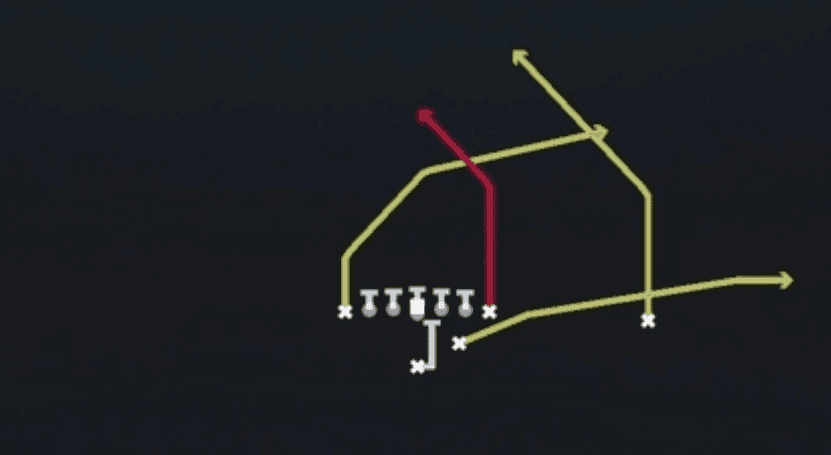 PA TE CrossPlay Action, Crosser, Pass Play +3
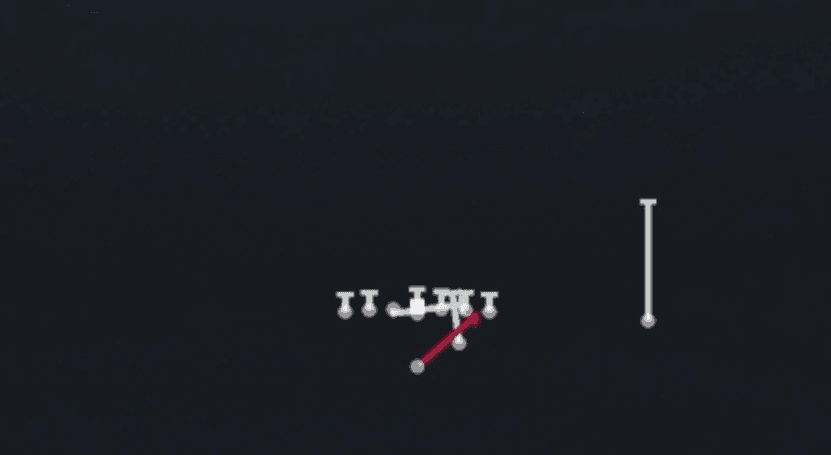 Power OPower, Run Play, Power Run
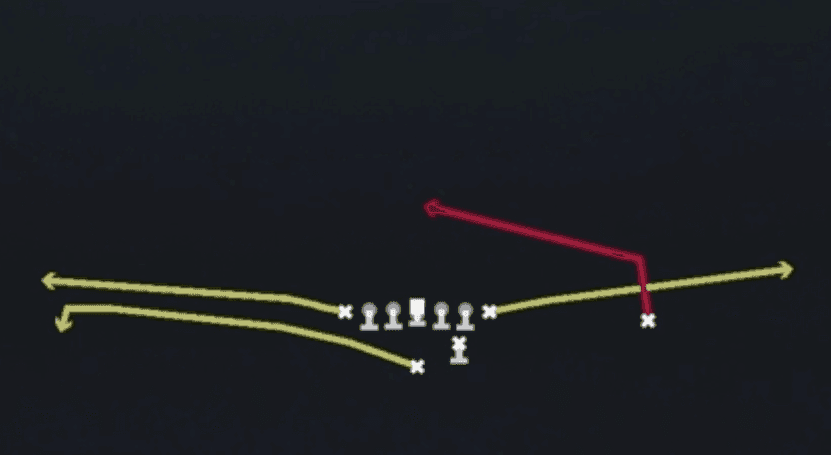 SlantsSlant, Pass Play, Flat