Playbooks
Franchise Playsheet
Old School Football
PlaysheetOffenseOverview
The Old School Football playbook is a 33-play franchise situational playsheet built almost entirely around under-center, downhill football. Seventy-two percent of the sheet lives in two-back looks: I Form (12 plays, 36%, one set) and Strong I (12 plays, 36%, across two sets). The remaining 9 plays (27%) come from a single Singleback set. There is no Shotgun, Pistol or Empty anywhere in the sheet. That makes it a run-first playsheet in the purest sense. The ground game is built on Outside Zone, Zone Run, Duo and Trap style calls such as 26 Duo, 0 1 Trap and FB Dive, and it is supported by a compact passing tree of Corner, Angle, Flat, In, Deep Cross and Crosser concepts plus a Bubble Screen and a Trick Play.
The personnel spread tells you how it wants to win. It uses 21 as the base, 22 and 23 for heavy short-yardage and goal-line bodies, and 11 in Singleback when you need a third receiver on the field. At 33 plays it is larger than 63% of the game's 42 offensive franchise playsheets. That gives you enough depth to run the same two-back looks repeatedly without becoming predictable within a single formation. The game plan is simple and physical. Pound the box with zone and gap runs from I Form and Strong I until the safeties creep down. Then punish them with Corner and Deep Cross shots off the same looks.
Choose the Old School Football playbook over a spread or balanced sheet when you want a condensed, heavy identity that shortens the game and controls the clock. Your fullback and tight ends should be doing real work. You give up shotgun passing volume, and in return you get more fullback-led run variety than most franchise sheets carry, plus built-in jumbo personnel for third and short.
Scheme Fit
The Old School Football playbook wants a high-rated run-blocking fullback, a physical downhill running back with strong trucking and break tackle, multiple tight ends who can block, and an interior line built for zone and trap blocking. It also needs a pocket quarterback with strong play action and deep accuracy to hit Corner and Deep Cross shots. It fits the player who wants to control the clock, win in short yardage and live under center, not the player who needs a shotgun spread attack to move the ball.
Playsheet bonuses
- IUnlocks the playsheet
- II+3Run Block, Run Block Finesse, Run Block Powerall OL
- III+3Play Action, Throw AccuracyQBs
- IV+5Acceleration, Agilityall HB/FB
Every play in this playsheet (33 plays)
Singleback Ace Overload9 plays


I Form Pro12 plays


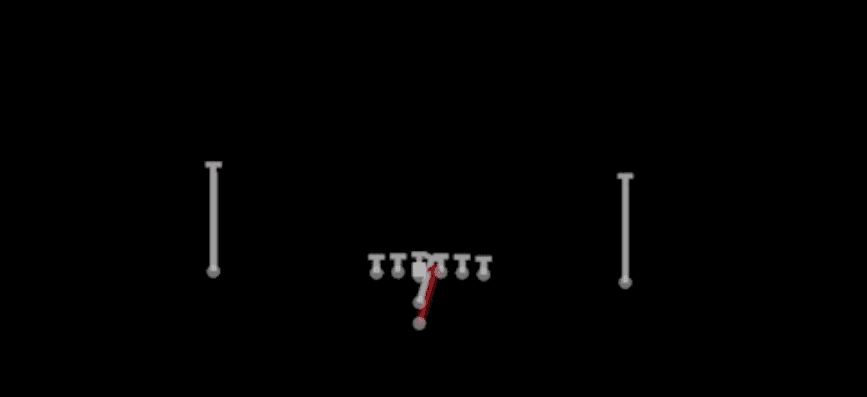

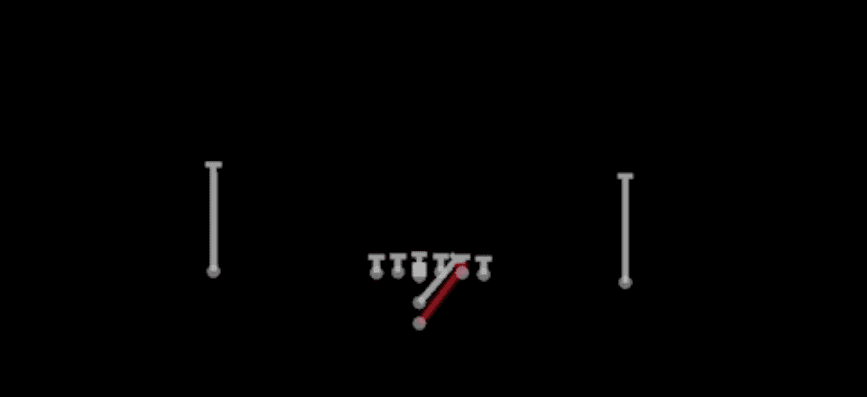


Strong I Jumbo6 plays
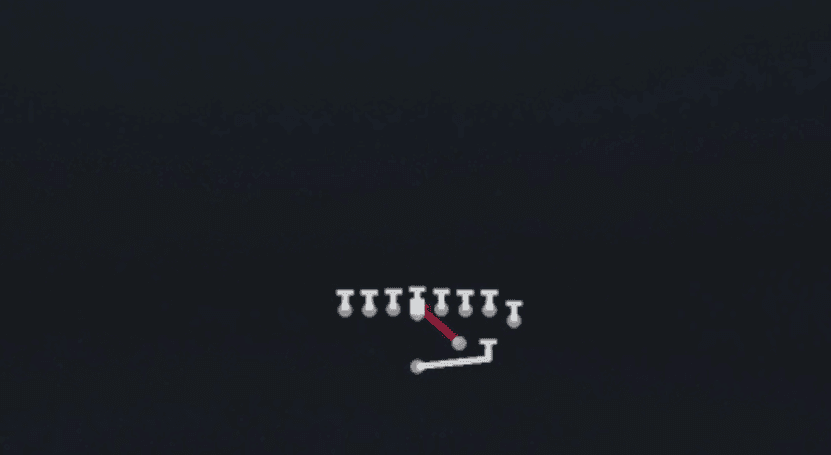
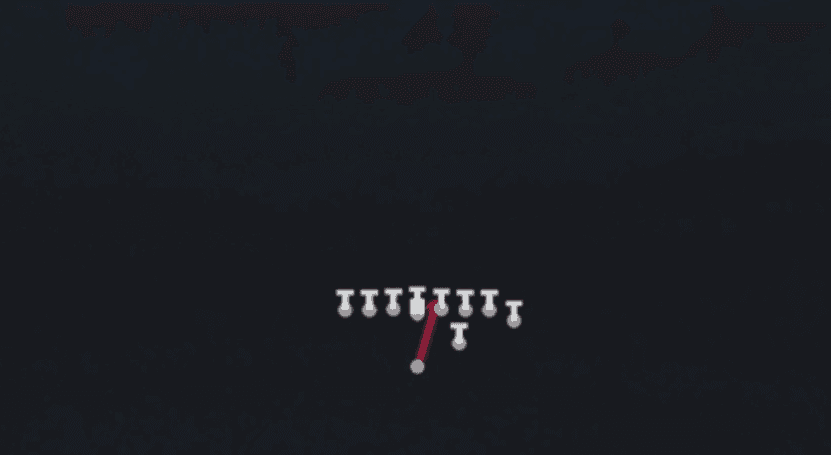


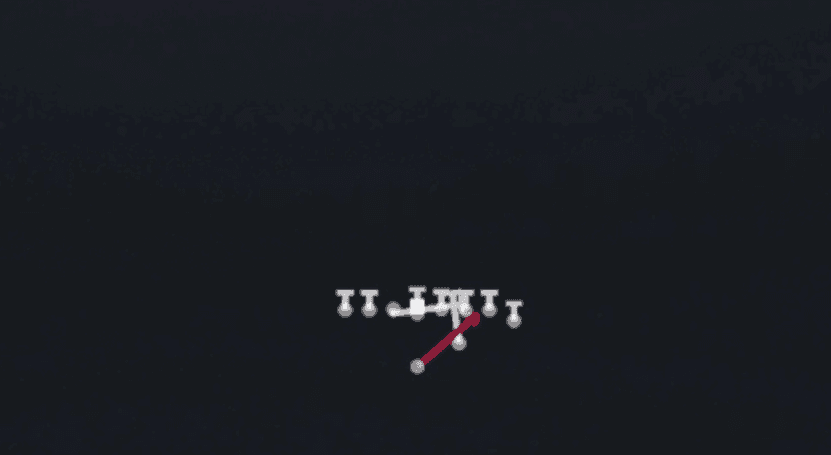
Strong I Tight6 plays
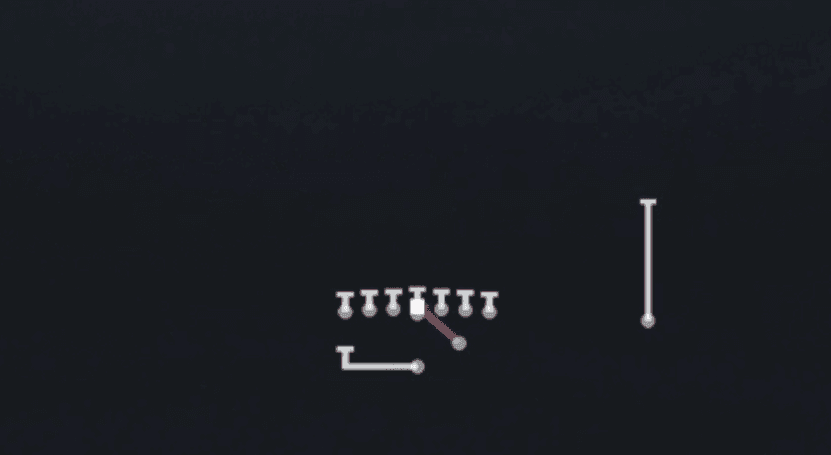
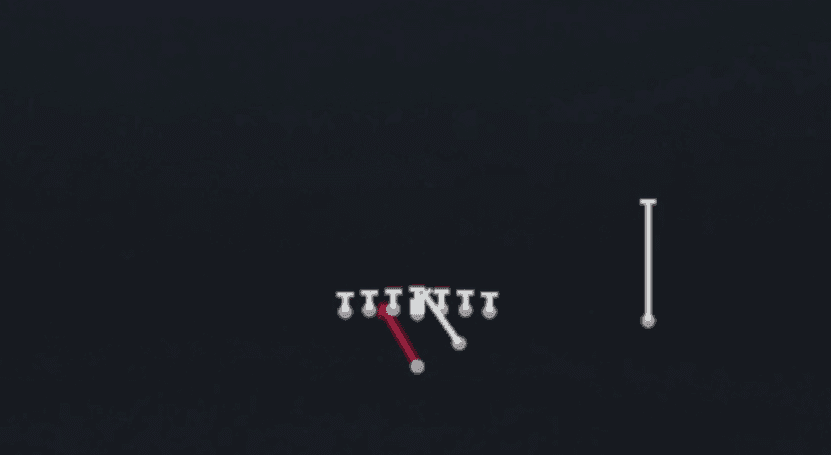
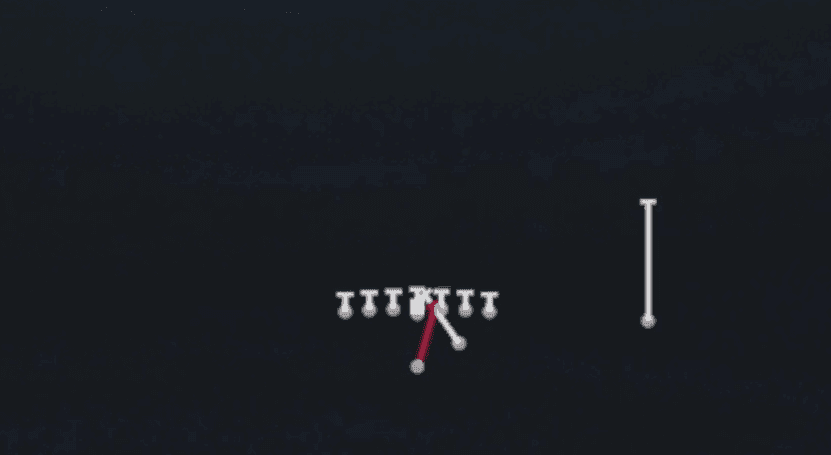
Find plays by concept, not by formation
Search every playbook by tag and personnel grouping, not just Old School Football.
Strengths
- Twenty-four of 33 plays come from I Form and Strong I, so your fullback is on the field for nearly three quarters of your snaps. That gives you Duo, Trap, FB Dive and Outside Zone variations with a lead blocker that single-back books simply cannot replicate.
- Strong I is split across two sets, which lets you swap personnel between 21, 22 and 23 while keeping the same offset fullback look. You can dress the same run in different bodies and force the defense to match with base or goal-line packages.
- The run-heavy formation weighting sets up play action naturally. Corner, Deep Cross and Angle concepts from the same I Form and Strong I alignments as 26 Duo and 0 1 Trap pull linebackers and robbers downhill before the ball comes out.
- Built-in 23 personnel (3 TE, 2 RB, 0 WR) gives you a true jumbo package for third and one and goal line. Most franchise sheets force you to leave the playsheet for these situations.
- The Singleback set with 11 personnel provides a ready-made change of pace. Bubble Screen, Flat, In and Crosser concepts let you spread a defense that has stacked the box against your two-back looks without leaving the sheet.
Weaknesses
- There is no Shotgun, Pistol or Empty formation, so obvious passing downs like third and eight or a two-minute drill must be run from under center. The deeper drops and a lack of quick spread concepts let the opponent pin their ears back with pass rush.
- The passing tree is thin (Corner, Angle, Flat, In, Deep Cross, Crosser, Bubble Screen). Opponents who play disciplined Cover 3 or Cover 4 can take away the deep crossers and corners and dare you to sustain drives with short throws.
- With 72% of plays in two-back sets, the defense can key on your fullback and personnel grouping. A savvy opponent will sit in base or heavy defense and user a linebacker into the gap your fullback leads through.
- I Form and Singleback each have only one set, which limits formation-level disguise. The same alignment repeatedly signals the same small group of concepts and makes play recognition easier for a human opponent.
- No RPO concepts are listed. You cannot punish a loaded box post-snap with a built-in read, so the only answers are pre-snap audibles to the Bubble Screen or a play action call.
Usage Tips
On first and ten, open from I Form and alternate 26 Duo style inside runs with Outside Zone to find which side the defense is overplaying. Keep one I Form play action Corner or Deep Cross in your audibles for when the safety rotates down.
On third and one, fourth and short and inside the five, go straight to the Strong I sets and sub into 22 or 23 personnel. Use 0 1 Trap and FB Dive style calls to hit the A gap before a user linebacker can fill.
On second and seven or longer, audible into the Singleback set with 11 personnel. Crosser, In and Flat concepts create quick completions, and the extra receiver pulls a defender out of the box.
When you see an eight-man box in Strong I or I Form, check to the Bubble Screen or a play action Angle route rather than forcing another run. Treat the screen as an extension of your run game against loaded fronts.
Save the Trick Play for midfield after you have run the same two-back look three or four times in a drive. The playsheet's repetition is exactly what makes a defense bite on it.
Formations in this playbook

Upgrade to Playbooks Rookie
- Filter every play by tag and concept
- Personnel groupings
- Premium play analysis