Playbooks
Quick Reference
Breakdown
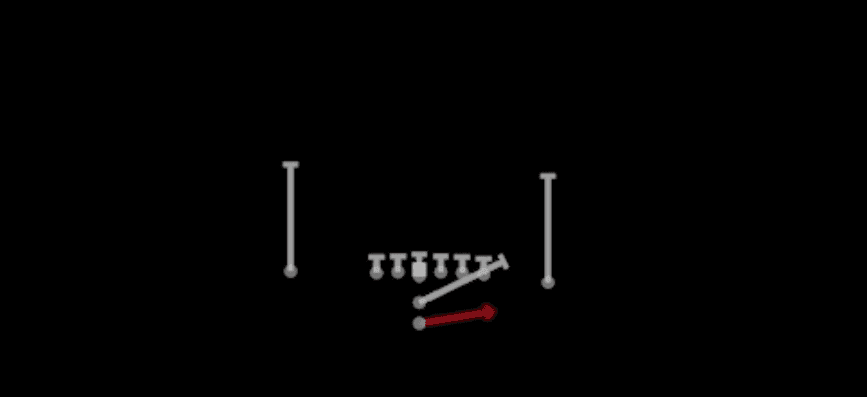
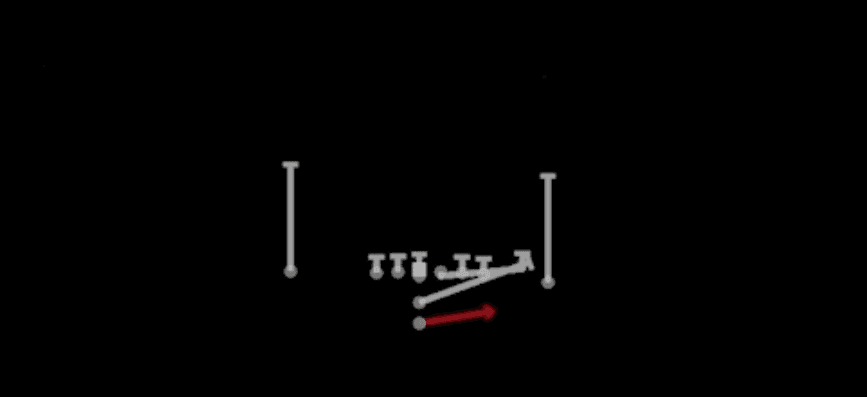
HB Zone Toss out of I Form Close (21 personnel) shows the HB tossing wide to the offset back, who takes the pitch and presses the edge behind a zone blocking scheme up front. The offensive line flows laterally to seal running lanes and reach block defenders to the play side, while the TE and outside blockers work to get width on the perimeter. This is a pure zone run play with no play-action or RPO tag, designed to stretch the defense horizontally before the back reads his blocks and cuts upfield. Primary read progression is backside to frontside: locate the first key blocker off the edge, then read the alley defender to decide between bouncing outside or cutting up through the natural crease created by the zone flow.
Defensive Reads
Pre-snap, identify the play side edge defender and any user-controlled linebacker who might crash down to blow up the toss before it develops. Watch safety alignment for run support rotation, a safety cheating down into the box signals a defense sold on stopping the perimeter run. Post-snap, key the defensive end or outside linebacker's first step, if he stays home and squeezes the edge instead of getting reached, the toss has nowhere to go. Look for user-controlled defenders flowing hard to the sideline, this defeats the cutback lane that Zone Toss is designed to create. This play struggles against disciplined zone fronts that maintain gap integrity and against aggressive edge blitzers who beat the blocker off the snap before the pitch relationship is set.
Usage Tips
Call this out of I Form Close when you have a lead blocker who can consistently win his reach block on the edge defender. Check the defensive front pre-snap for over-pursuit tendencies since Zone Toss punishes gap-heavy or blitz-happy fronts that overcommit inside. If the defense shows a heavy box with linebackers crashed down, this play hits quickly to the outside before the flow defenders can rally. Pair this with HB Stretch and Power O from the same set to keep the defense guessing between zone flow, gap scheme, and misdirection looks. Use it on early downs in normal or short yardage situations where you want to establish tempo and set up play-action shots like PA Boot Flow or PA TE Leak later in the series.
Other Plays in Close
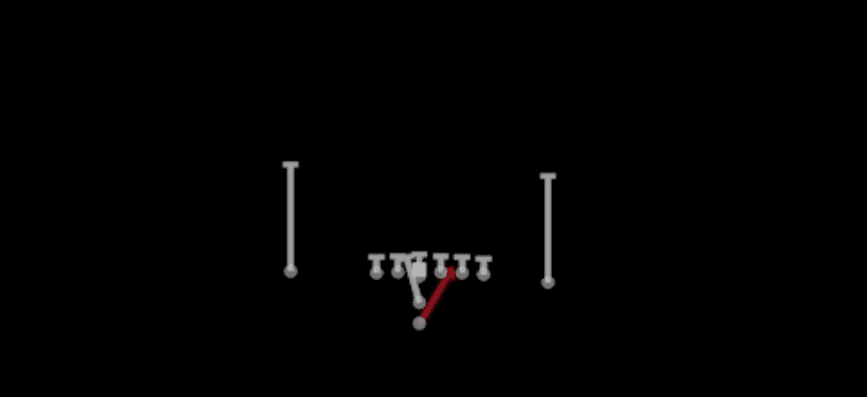 94 WillRun Play, Power Run, Power +1
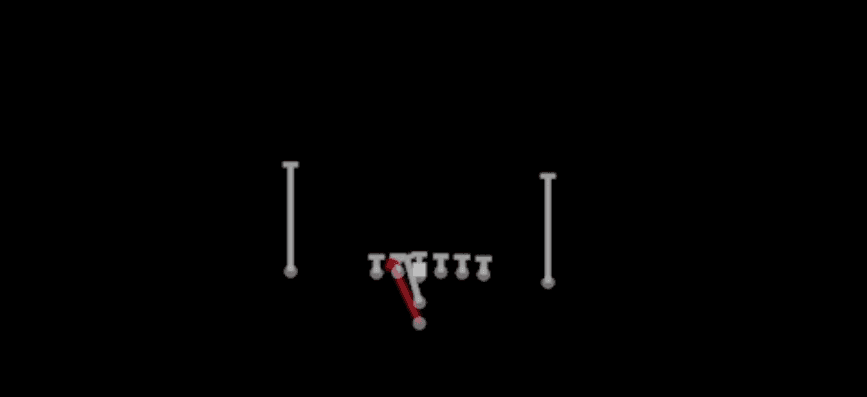 95 MikeRun Play, Power Run, Power +2
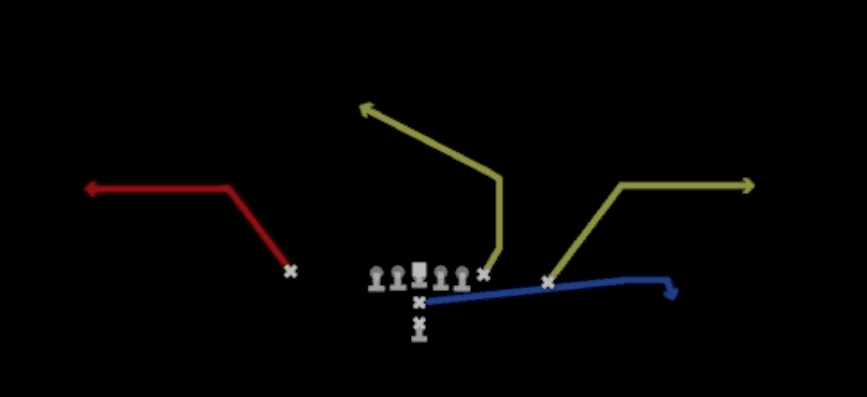 DBL OutsOut, Pass Play, Block and Release +2
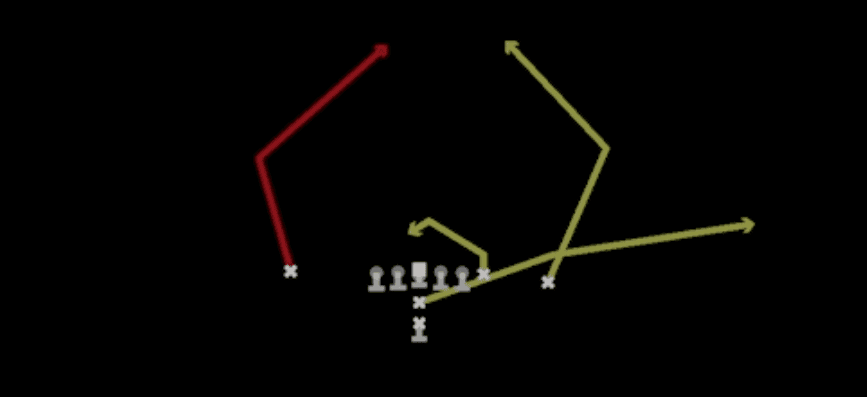 Double PostPost, Double Posts, Pass Play +3
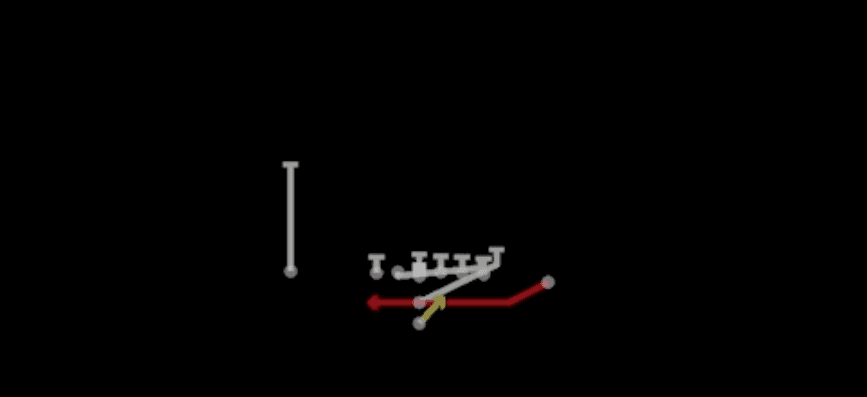 End Around PowerEnd Around, Trick Play, Run Play
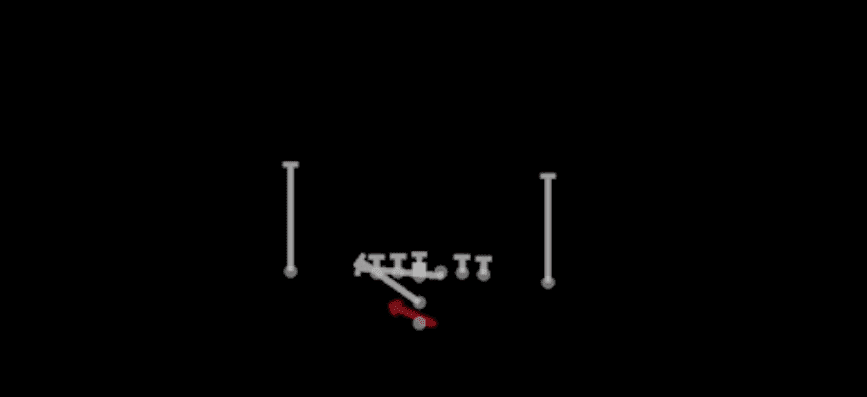 HB Counter WkCounter, Run Play, Power Run
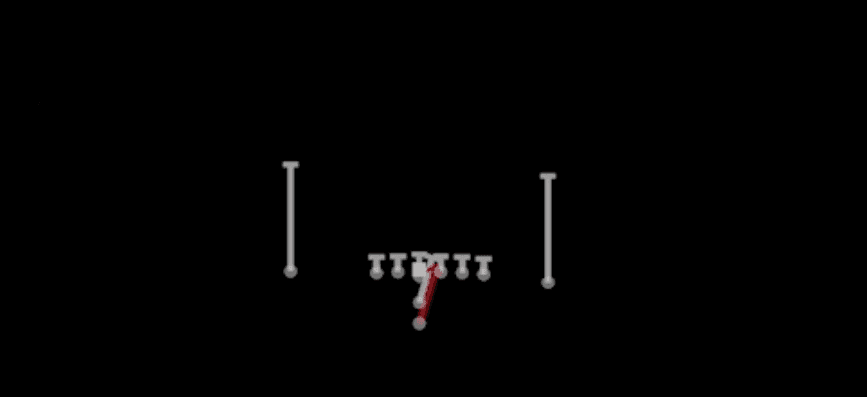 HB IsoIso, Run Play, Power Run
 HB Lead DiveDive, Run Play
 HB StretchOutside Zone, Run Play, Zone Run
 HB TossToss, Run Play
 HB Toss CrackToss, Run Play
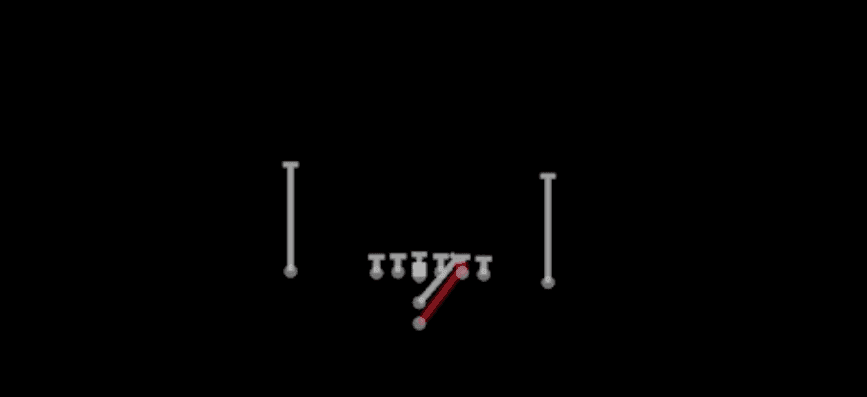 Inside ZoneInside Zone, Run Play, Zone Run
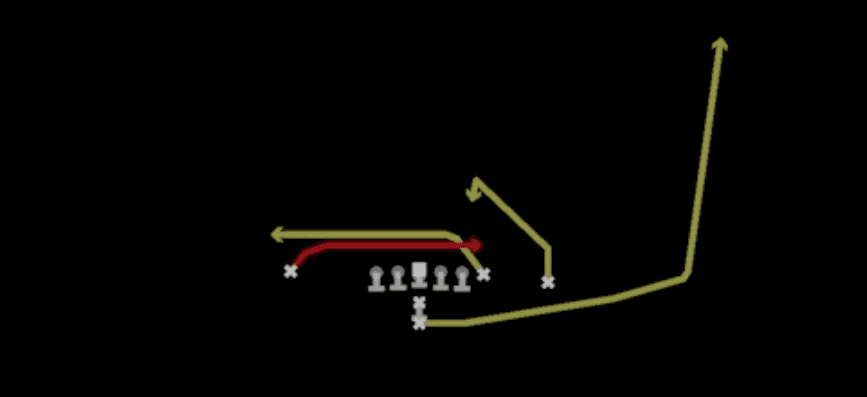 MeshMesh, Pass Play, Man Beater +4
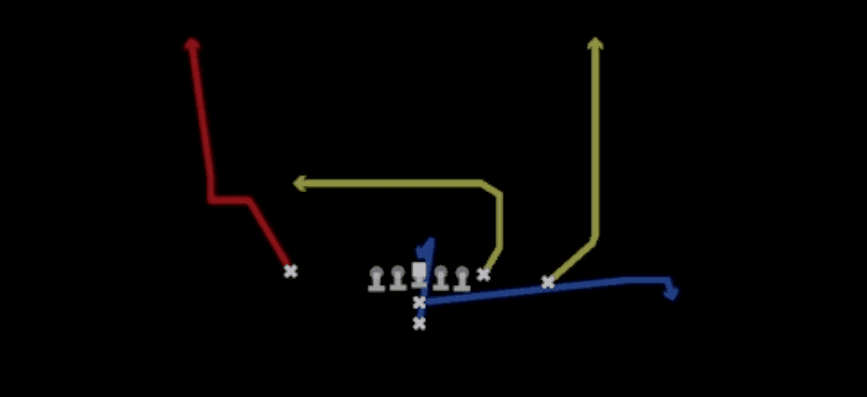 Out N UpOut, Out And Up, Pass Play +4
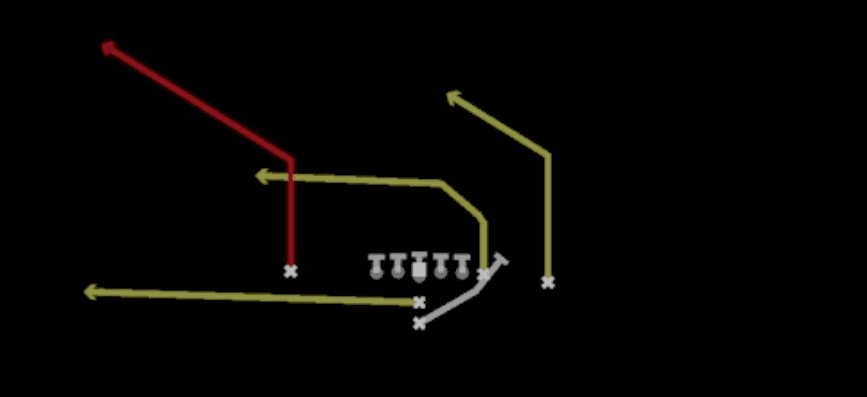 PA Boot FlowPlay Action, Pass Play, Corner +4
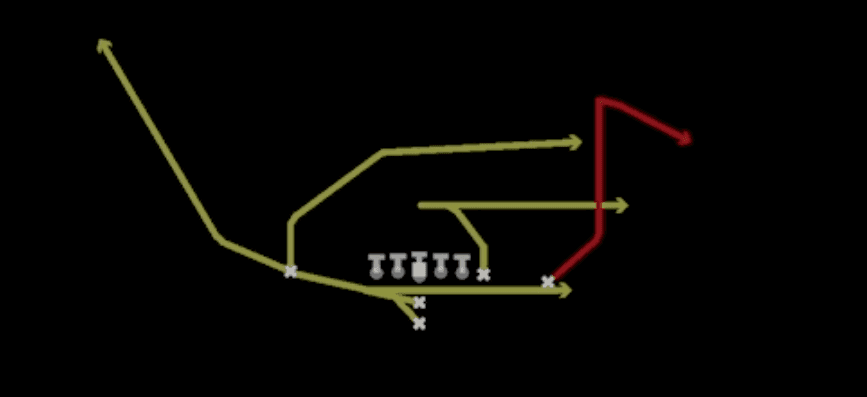 PA Boot RtPlay Action, Pass Play, Comeback +5
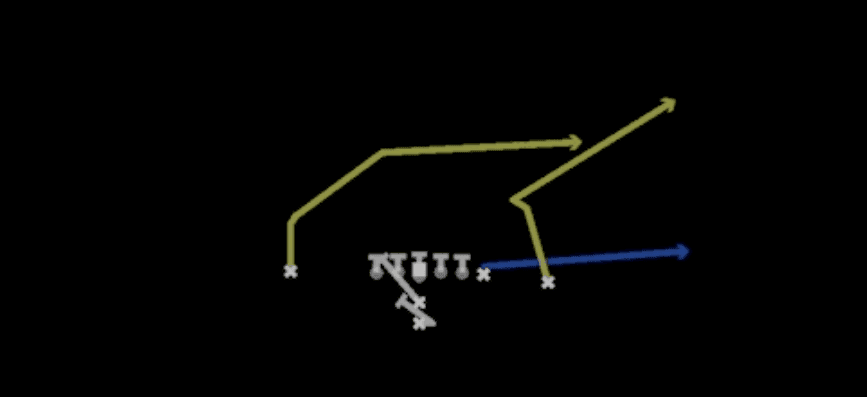 PA Ctr WagglePlay Action, Pass Play, Block and Release +3
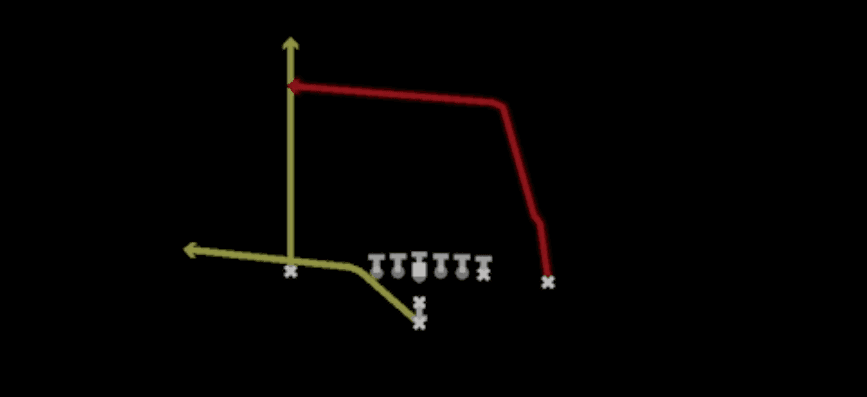 PA Deep Cross GoPlay Action, Go, Pass Play +4
 PA Deep ReadPlay Action, Pass Play, Block and Release +2
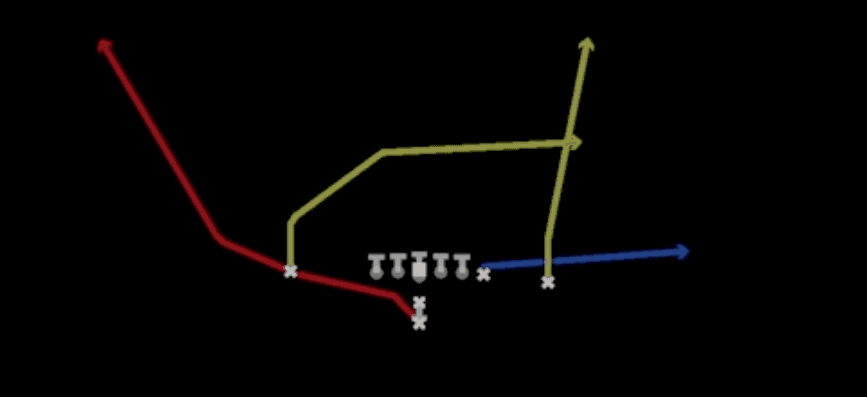 PA HB WheelPlay Action, Wheel, Pass Play +4
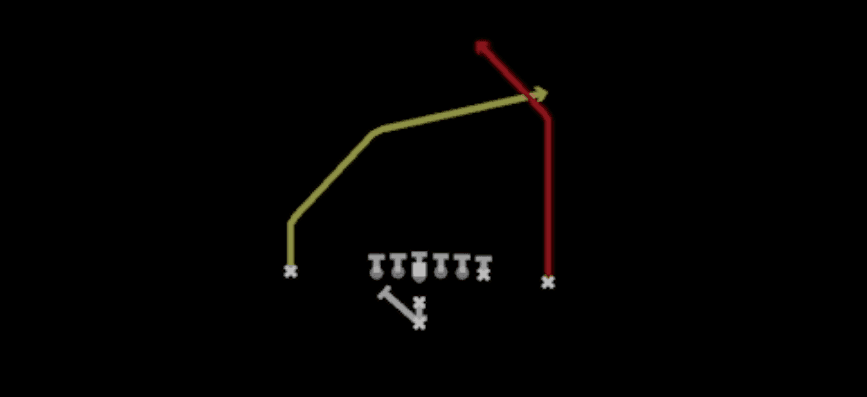 PA Post Dig ShotPlay Action, Post, Pass Play +3
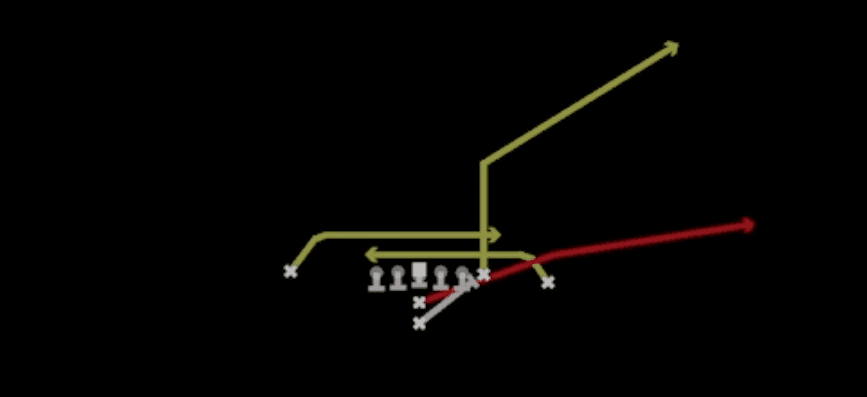 PA Spider MeshPlay Action, Mesh, Pass Play +5
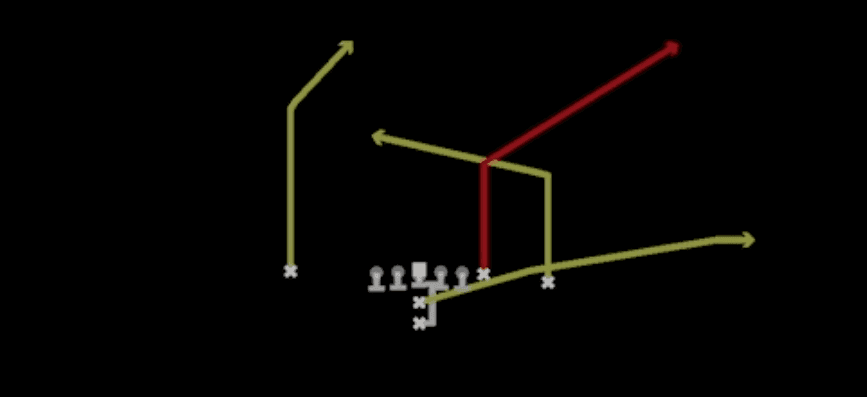 PA TE LeakPlay Action, Pass Play, Corner +2
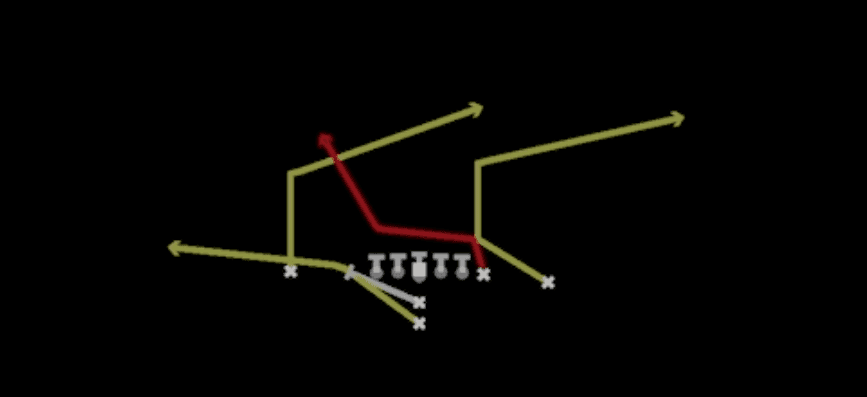 PA ThrowbackPlay Action, Pass Play, Corner +4
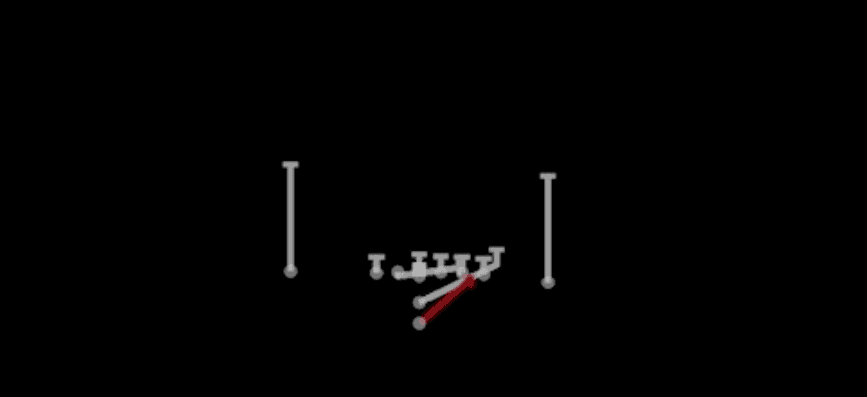 Power OPower, Run Play, Power Run
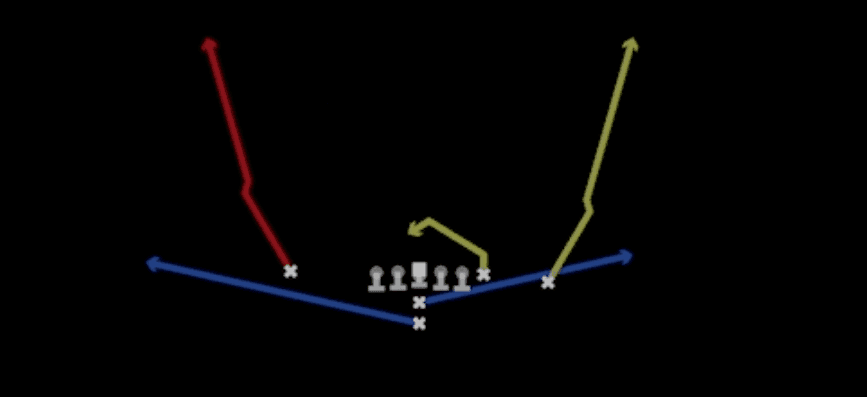 Stutter Go'sGo, Pass Play, Block and Release +1
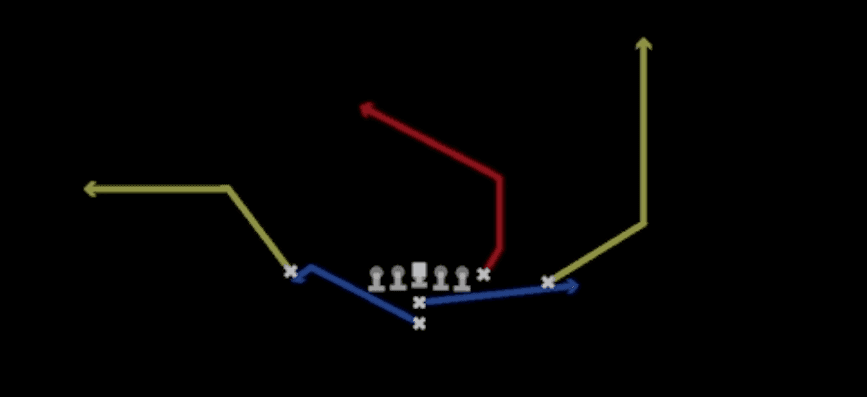 Y-PostPost, Pass Play, Block and Release +2
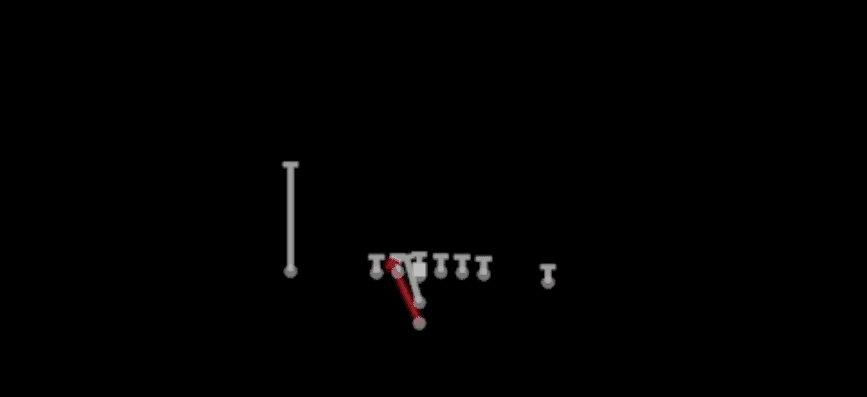 Zone WkInside Zone, Run Play, Zone Run