Playbooks

Overview
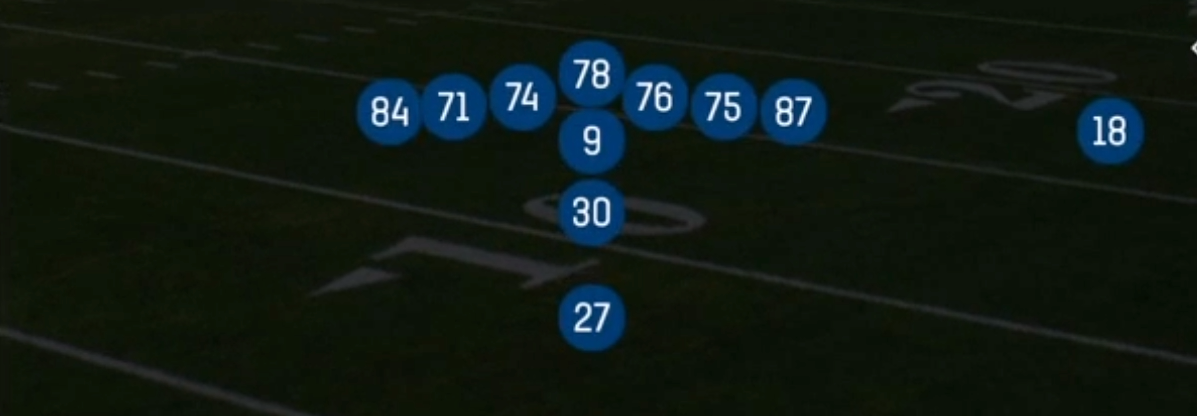
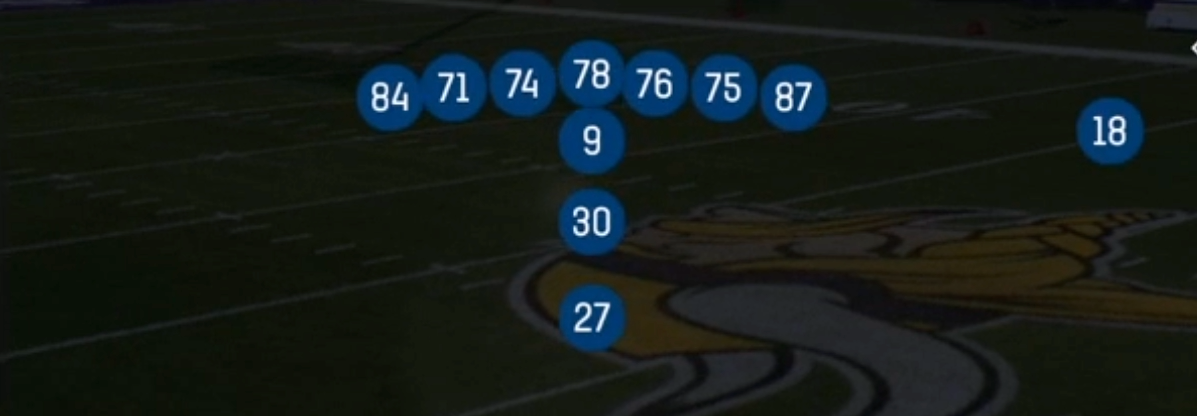
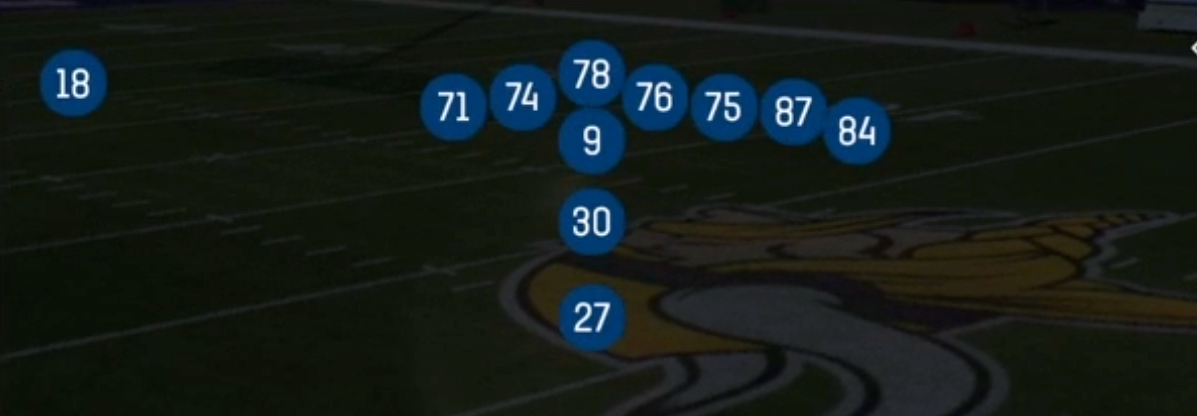
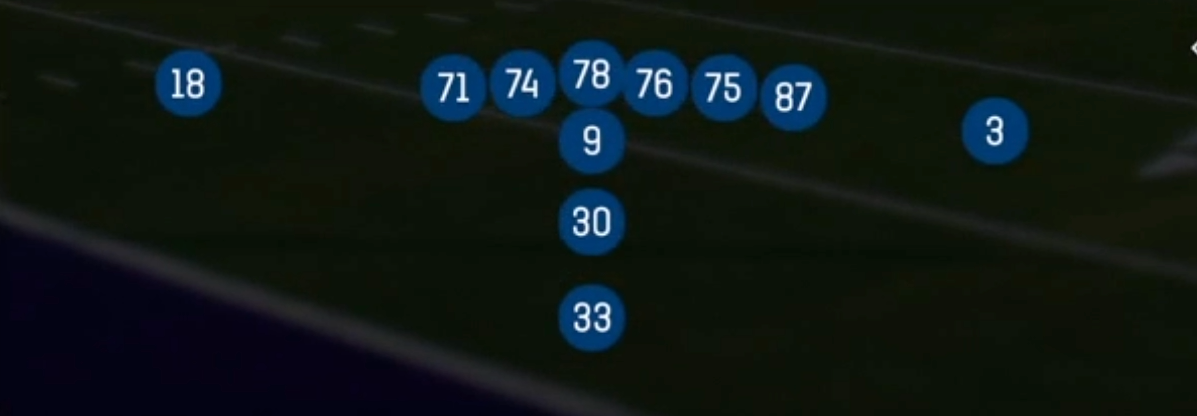
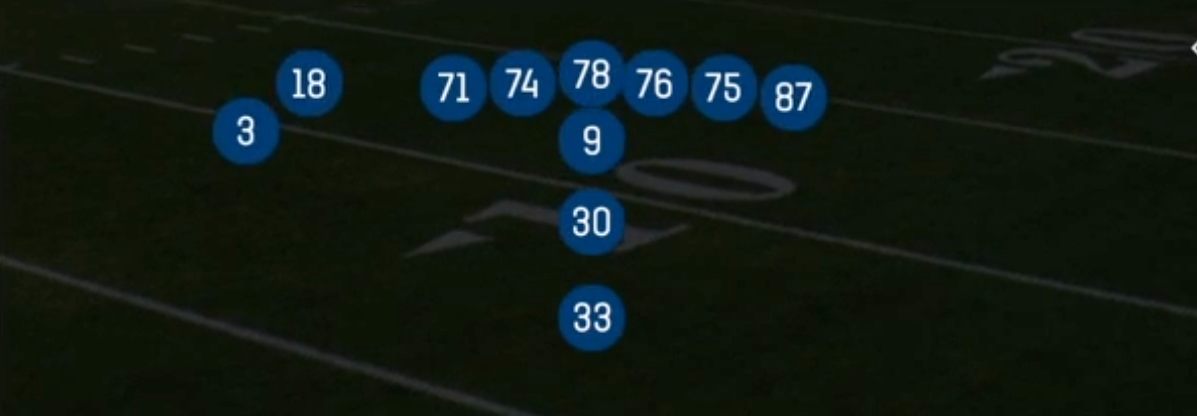
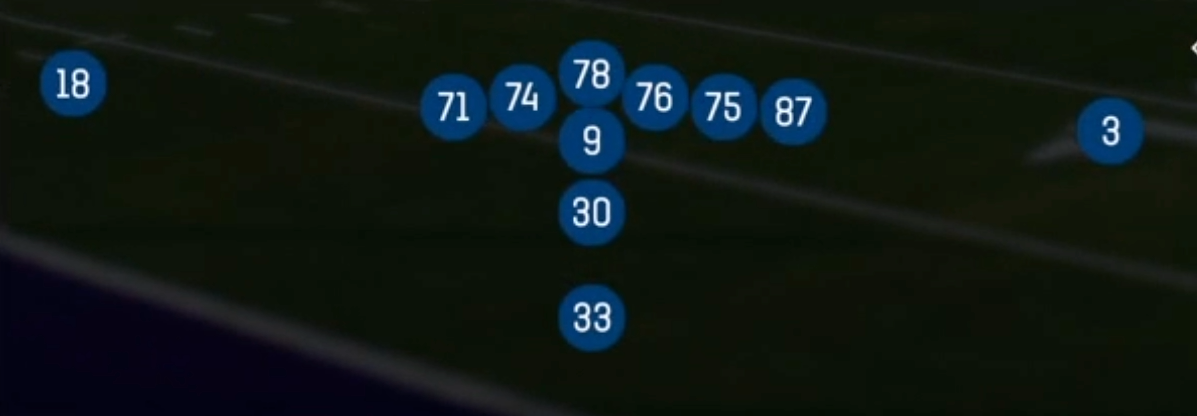
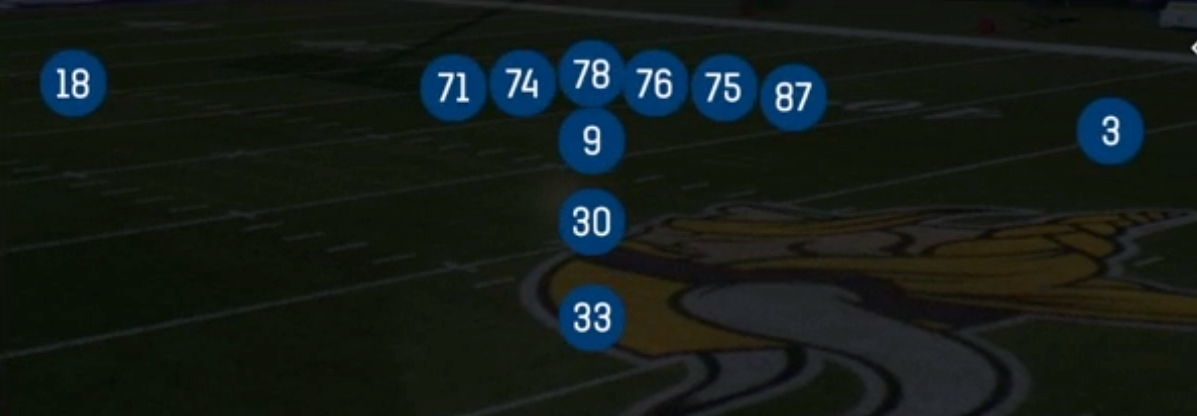
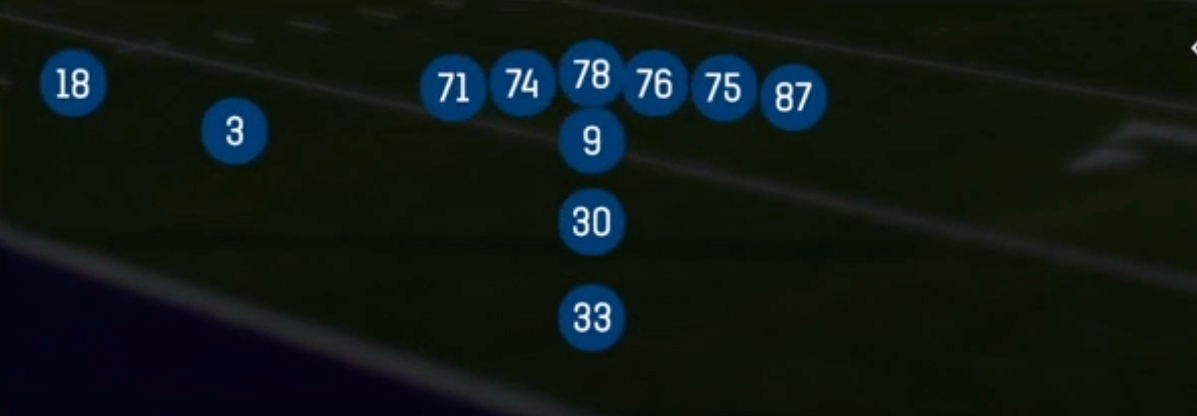
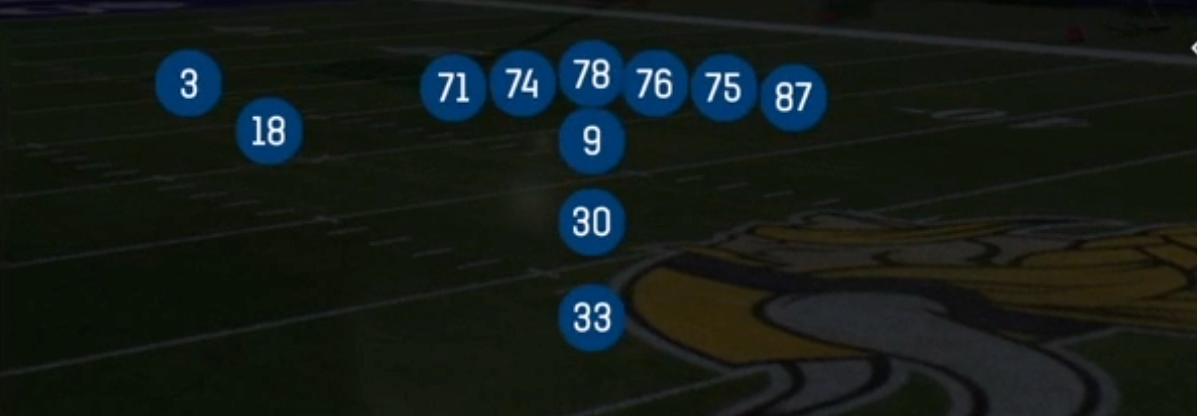
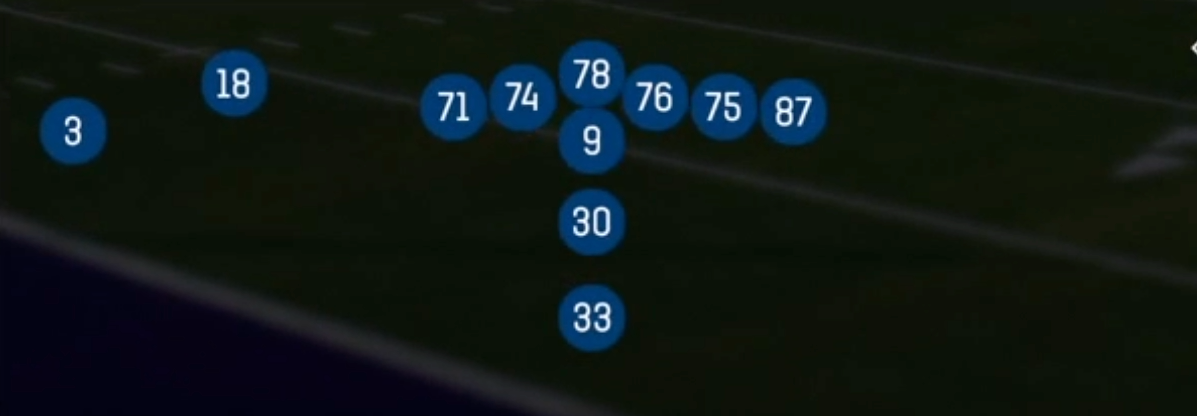
The Hulk set is the heaviest downhill look in the I Form, built out of 22 personnel with a fullback and halfback stacked in the I, two tight ends attached to the line, and a single wide receiver. Where sets like I Form Pro or Twin WR spread the field with two receivers, Hulk trades a pass catcher for an extra blocker. That gives you a nine-man surface that forces the defense to match with base or goal line personnel or risk getting outnumbered at the point of attack. The playbook reflects that identity: HB Iso, FB Dive, HB Power O, and HB Counter Wk form the core run menu, with PA Cross and PA FB Flat as the only true pass concepts.
The personnel package creates advantages through gap math. With two inline tight ends and a lead fullback, you have a blocker for nearly every defender in the box. Iso and Power O let the fullback kick out or lead through the hole while a pulling guard wraps on Power O, and Counter Wk flips the flow to punish linebackers who flow hard to the strength. Defenses that answer by stacking the box leave the lone receiver on an island, usually against a corner playing with no deep help because the safety has rolled down to fill.
The play-action game is where Hulk isolates specific targets. PA Cross sells the downhill run and drags a tight end across the field behind linebackers who bite on the fake, while PA FB Flat leaks the fullback into the flat once the edge defender crashes on the run action. Because opponents rarely see Hulk throw, the playfake is more convincing than out of lighter sets, and your tight ends often end up matched against linebackers or safeties in coverage who are out of position.
Strengths
- The extra tight end creates a numbers advantage in the box, letting HB Power O and HB Iso generate consistent 4 to 6 yard gains against base 4-3 and 3-4 fronts.
- HB Counter Wk punishes defenders who flow hard to the strong side, and it is especially effective against users who cheat their linebacker toward the run strength pre-snap.
- PA Cross is a strong man beater once the defense commits to the run, because the crossing tight end drags away from a linebacker who has already stepped downhill to fill.
- PA FB Flat attacks Cover 3 and Cover 1 defenses whose flat defender or edge crashes on the fake, giving you an easy completion to the fullback with room to run.
- The heavy look forces opponents into goal line or big nickel substitutions, which lets you dictate personnel and exploit mismatches when they bring slower bodies onto the field.
Weaknesses
- With only six plays and four of them runs, the set is extremely predictable, and experienced opponents will key run immediately and load the box with Goal Line or 46 Bear looks.
- A single wide receiver means limited answers against Cover 0 and heavy man blitzes, since there is no quick hot route outlet outside other than the lone WR.
- User-controlled linebackers or safeties sitting in the A gap can blow up HB Iso and FB Dive before the fullback reaches his lead block.
- Play-action passes take time to develop, so edge pressure or a nano blitz off the weak side can sack you before PA Cross reaches its crossing depth.
- The set struggles in obvious passing downs and two-minute drill situations because there is no quick game or spread concept to move the chains efficiently.
Usage Tips
Use Hulk on 3rd and short, 4th and 1, and inside the 5 yard line, where the extra blocker and lead fullback help you win the line of scrimmage for short yardage.
Read the linebacker alignment pre-snap: if they shade toward the strength, audible to HB Counter Wk; if the box is balanced and the A gaps are open, stick with HB Iso or FB Dive.
Establish HB Power O early in the drive, then call PA Cross on 1st and 10 once the safety starts rolling down, since the defense will be conditioned to fill hard.
On PA FB Flat, watch the edge defender on the flat side; if he crashes on the fake, the fullback is your read, but if he drops, work backside to the tight end on the cross.
Against Cover 0 looks, consider hot routing the lone receiver to a slant or keeping a tight end in to block on play-action so you have time to throw.