Playbooks
Franchise Playsheet
Red Zone Passing
PlaysheetOffenseOverview
The Red Zone Passing playbook is a franchise situational playsheet built for one job: finishing drives once you cross into scoring territory. At 30 plays, it is larger than 20% of the game's 42 offensive franchise playsheets, so you get more than a thin handful of calls. That depth lets you carry several answers for tight coverage near the goal line instead of recycling the same two concepts. Its concept list reads like a red zone passing menu: Slant, Flat, Drag, Crosser, Trail, Curl, Option Route, Wheel and Dagger. RPO tags and run plays are mixed in to keep the box honest.
The formation spread is heavily tilted. Shotgun carries 24 plays (80%) across 3 sets, making it the engine of the sheet. Singleback supplies the other 6 plays (20%) across 2 sets. Personnel toggles between 11 (1 RB, 1 TE, 3 WR) and 12 (1 RB, 2 TE, 2 WR). Shotgun is where your quick game, option routes and dagger concepts live. Singleback, anchored by calls like HB Stretch, is your change of pace look when the defense sells out against the pass.
Pick the Red Zone Passing playbook if your drives stall inside the 20 and you want a compact, pass first plan for condensed space. It suits a game plan that attacks leverage with slants, flats and option routes against man. It also floods zone with drag, crosser and trail combos. Shotgun calls like Corndog pressure specific defenders in a shrunken field. Compared with a general playbook, you trade breadth for a sheet that is already filtered to the concepts that score.
Scheme Fit
The Red Zone Passing playbook wants an accurate, quick release quarterback with strong short and medium accuracy, plus slot receivers and a tight end who win on slants, option routes and contested catches in tight windows. A back who catches out of the backfield adds value on flats and RPO reads, while a second tight end who can block helps the Singleback stretch calls. It fits the player who already moves the ball well between the 20s but needs a focused, pass first finishing package, and wants to win inside the 20 by reading coverage rather than pounding the ball.
Playsheet bonuses
- IUnlocks the playsheet
- II+3Pass Block, Pass Block Power, Pass Block Finesse, Run Block, Run Block Finesse, Run Block PowerO-linemen
- III+3Short Route Running, Catch in TrafficWR & TE
- IV+7Short AccuracyQB
Every play in this playsheet (30 plays)
Singleback Ace3 plays


Singleback Bunch3 plays


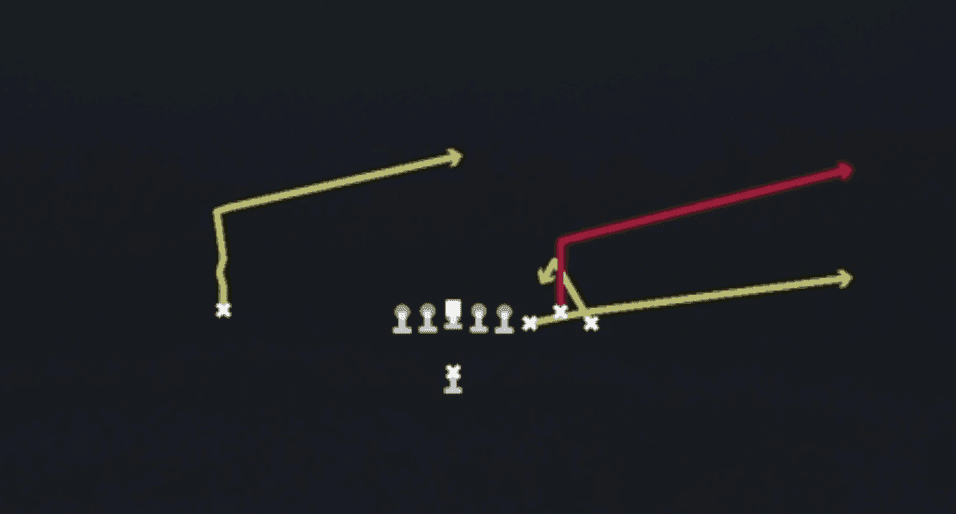
Shotgun Bunch Str Nasty9 plays
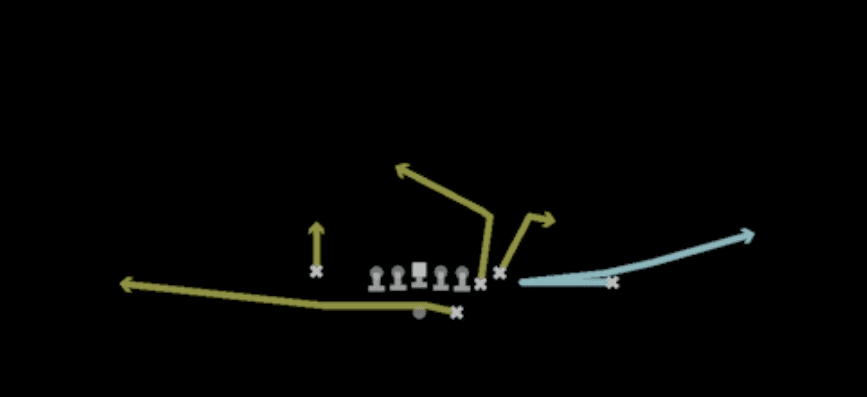

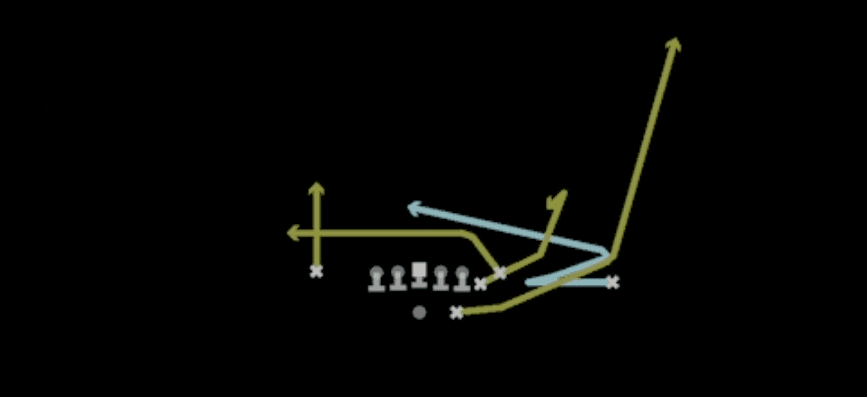

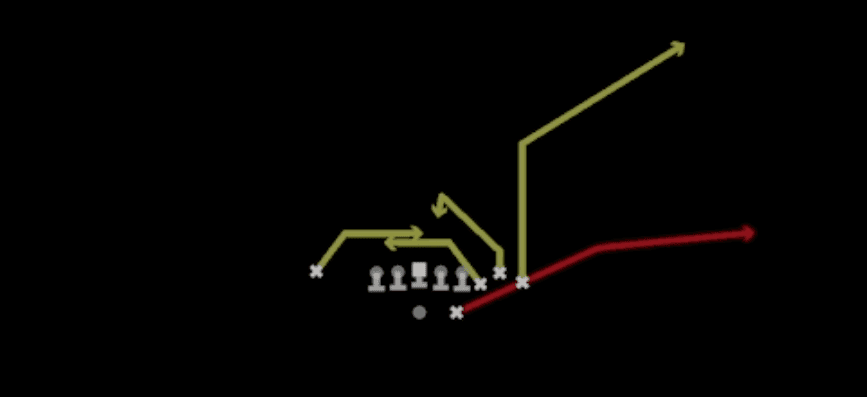
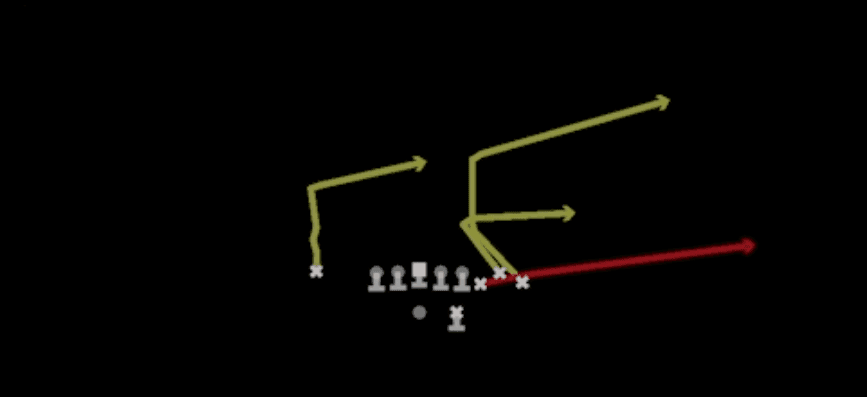
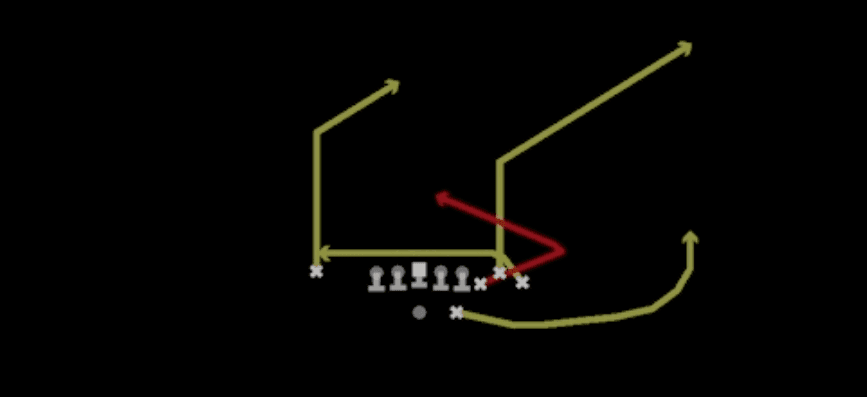
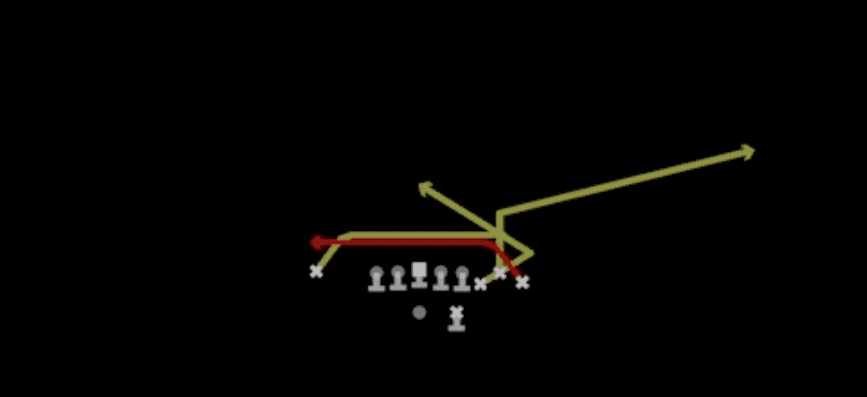
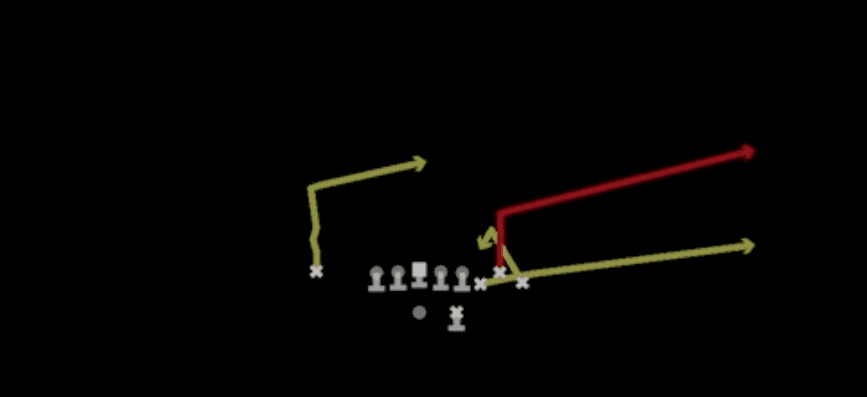
Shotgun Bunch X Nasty9 plays


Shotgun Y Off Trips Wk6 plays




Find plays by concept, not by formation
Search every playbook by tag and personnel grouping, not just Red Zone Passing.
Strengths
- Shotgun carries 80% of the sheet across 3 sets, so you can stay in one base look and still show slant, flat, drag, dagger and option route concepts, which keeps pre snap tells to a minimum inside the 20.
- The Option Route and Slant/Flat combos out of 11 personnel Shotgun give you built in man beaters, and you can hot route the inside receiver to a drag or slant when you read press coverage pre snap.
- Drag, Crosser and Trail concepts stress zone underneath in a condensed field, and pairing them with a streak or wheel hot route gives you a quick high/low read against Cover 3 and Cover 4 red zone shells.
- RPO calls in the Shotgun sets punish a defense that drops extra defenders into coverage, so you can take a free handoff against light boxes without leaving your passing formation.
- At 30 plays, the sheet is deep enough to fill a full audible package with distinct man beaters, zone beaters and a run, which a smaller situational playsheet cannot match.
Weaknesses
- With 80% of the plays in Shotgun, opponents can safely load pass coverage and user a linebacker in the middle hole the moment they see the gun formation, since the run threat is limited.
- Singleback offers only 6 plays across 2 sets, so your 12 personnel changeup is small and a defense that sees you sub in the second tight end can narrow down the call quickly.
- The spread has no under center power or goal line formation, which leaves you short on true short yardage answers at the 1 or 2 yard line when the defense brings heavy personnel.
- Most vertical options depend on Wheel and Dagger concepts, so a disciplined Cover 2 or a user robber can take away the deeper look and force everything underneath into traffic.
- Because the sheet is built strictly for the red zone, it cannot carry a full game, and you will need another playbook to move the ball between the 20s.
Usage Tips
Build your primary audible package around the Shotgun sets: one Slant/Flat or Option Route man beater, one Drag/Crosser zone beater, and one RPO so you can check to the right answer after reading the coverage shell pre snap.
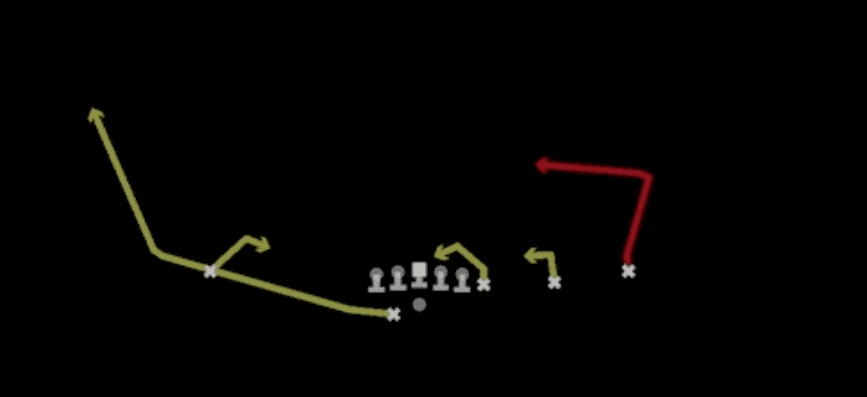
On 1st and goal from the 10 to the 20, open in Shotgun with a Dagger or Trail concept like Corndog to test the safeties, then come back to quick game on 2nd down if they stay deep.
On 3rd and short inside the 10, lean on the Shotgun Slant and Option Route calls, and hot route the back to a flat to give yourself a fast outlet against zero blitz.
Save the Singleback sets and HB Stretch for downs where the defense has subbed into nickel or dime against your 11 personnel, since 12 personnel forces them to either stay light against the run or give up coverage matchups.
When facing a user in the hook zone, motion a receiver across the formation in Shotgun to confirm man or zone, then hot route the crosser deeper or flatten it into the flat based on where the defender drops.
Formations in this playbook


Upgrade to Playbooks Rookie
- Filter every play by tag and concept
- Personnel groupings
- Premium play analysis