Playbooks
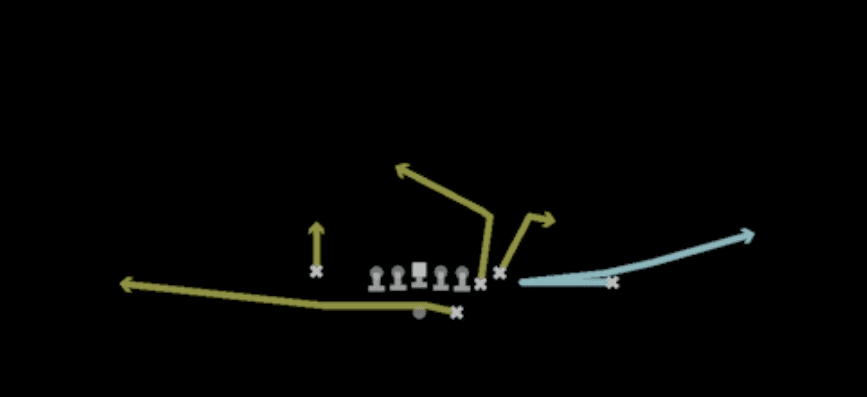
Quick Reference
Receiver routes
Depth-chart slots are shown as they line up in the base package for this set.
| Player | Side | Route |
|---|---|---|
| HB1 | Right | Flat |
| SLWR | Right | Hitch |
| WR1 | Left | Stick Option |
| WR2 | Right | Flat |
| TE1 | Right | Slant |
Read progression
- WR2 right, Flat
- HB1 right, Flat
- WR1 left, Stick Option
- SLWR right, Hitch
- TE1 right, Slant
Breakdown
Corndog is a flood concept out of Shotgun Bunch Str Nasty that overloads one side of the field with three vertical stems. From the bunch, one receiver runs a deep corner route, another breaks off into a quick out, and the third works a hitch underneath while the backside receiver runs a deep crosser away from the concept. The tight end releases into a flat route to occupy underneath defenders, creating a high low flood read that beats both man and Cover 3 coverage. Primary progression starts with the corner route as the shot play, then works down to the out and hitch based on how the flat and deep defenders react.
Defensive Reads
Pre-snap, check safety depth and alignment over the bunch side to determine if a Cover 3 or Cover 1 shell is being shown. If the corner route is being run with by a deep defender who stays over the top, look to the out route since the underneath defender has likely widened out. Watch for a user-controlled defender sitting in the throwing lane of the corner route, which signals a lurk technique designed to jump the flood concept. Man coverage with tight leverage on the bunch receivers is vulnerable to the out and hitch combination since defenders in phase on vertical stems will struggle to redirect on the sharp breaks. Zone blitzes with a corner or safety dropping into the flat can disrupt the timing of the flat route from the tight end, so be ready to check to the backside crosser if that flat defender sits.
Usage Tips
Use pre-snap motion out of the bunch to identify if the defense is playing man or zone based on how the defender travels with the motion man.
Against Cover 3, target the corner route first since it attacks the seam between the deep third defenders and the flat defender.
Against man coverage, the out route is your quick answer if you get a favorable matchup on the slot defender, especially versus a linebacker in coverage.
This play works best on early downs or third and medium since the flood concept gives you multiple layers to attack underneath and over the top.
Pair Corndog with Corndog Trail or Y Trail in your play-calling sequence so the defense has to respect both the flood look and the delayed breaking routes off similar formation and motion.
Other Plays in Bunch Str Nasty
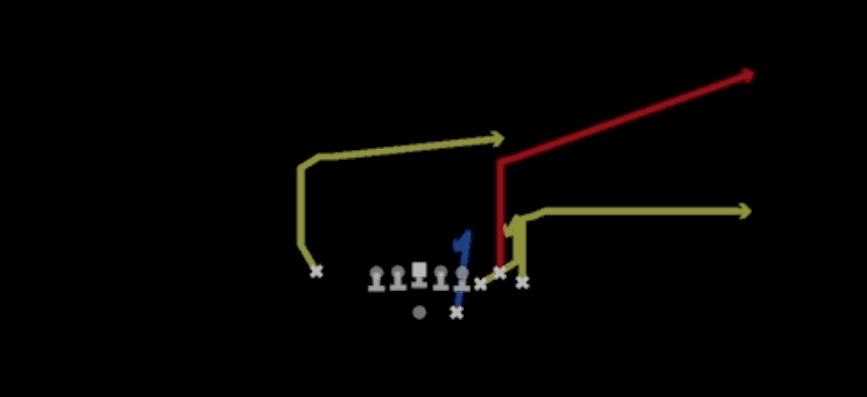 Bunch SmashSmash, Pass Play, Cover 2 Beater +5
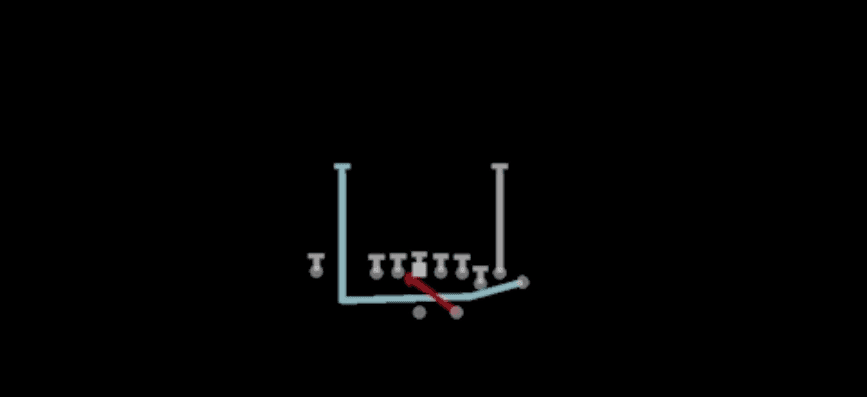 Cheat Inside ZoneInside Zone, Motion, Run Play +1
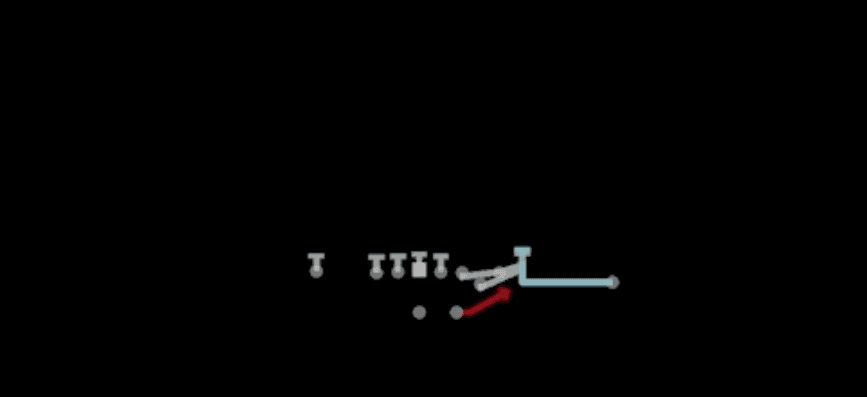 Corndog TossToss, Run Play
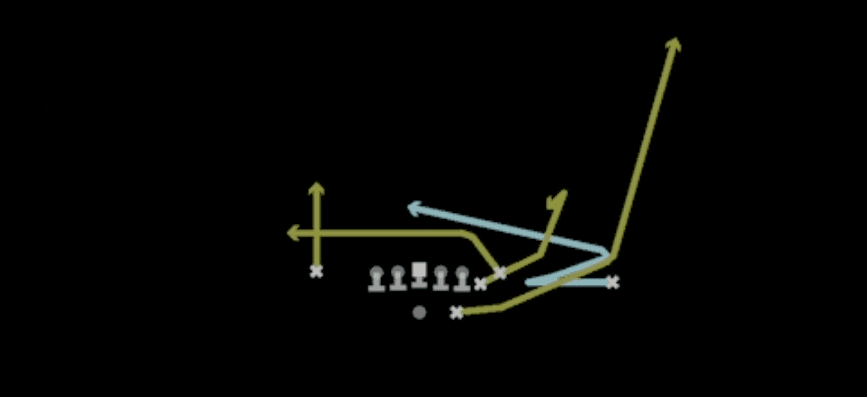 Corndog TrailTrail, Pass Play, Curl +5
 Crack TossToss, Run Play
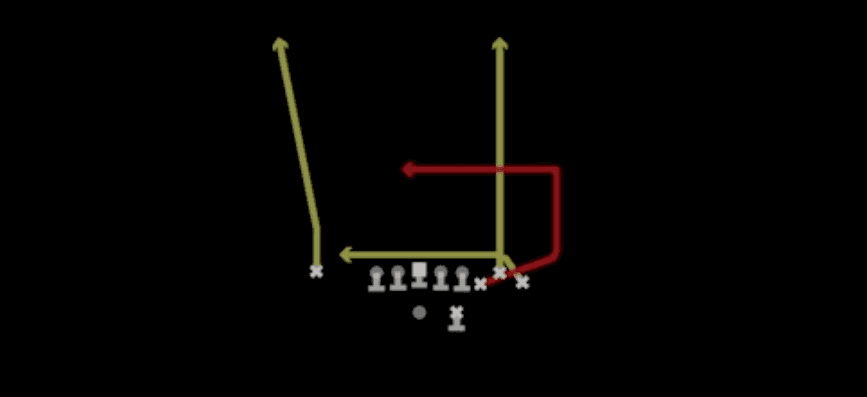 DaggerDagger, Pass Play, Cover 2 Beater +4
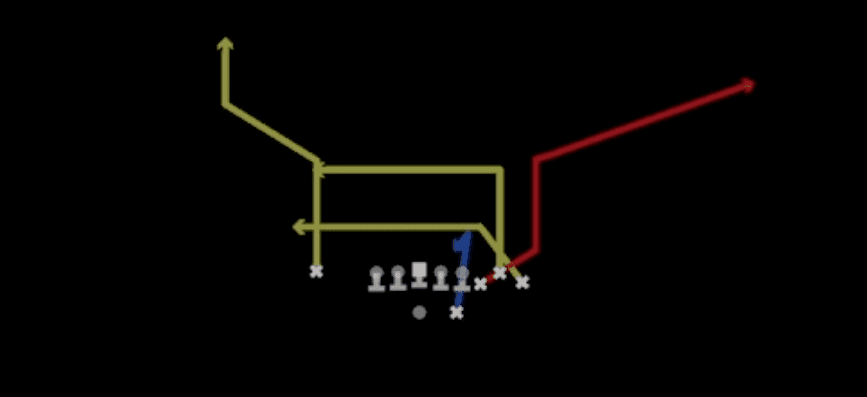 Flanker DriveDrive, Pass Play, Cover 4 Beater +6
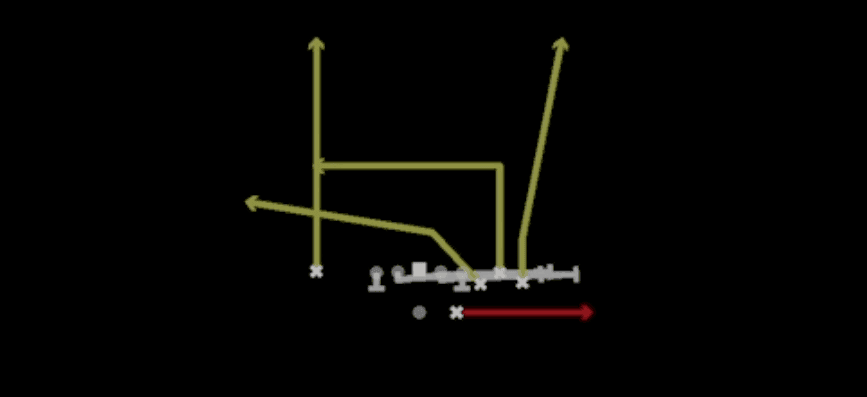 HB Slip ScreenScreen Pass, Hb Screen, Pass Play +4
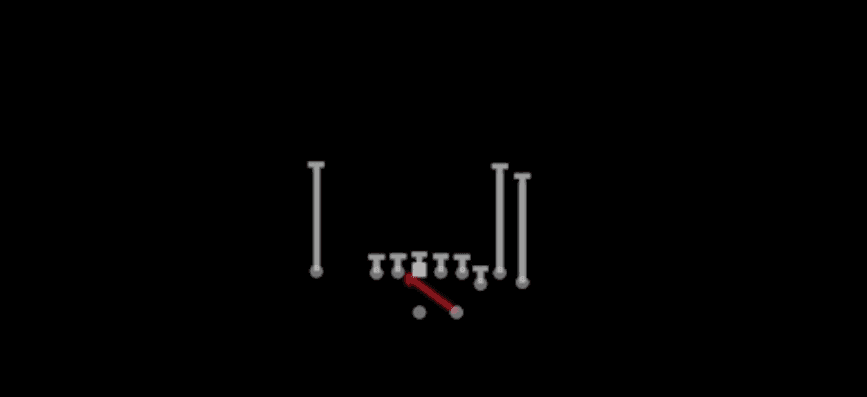 Inside ZoneInside Zone, Run Play, Zone Run
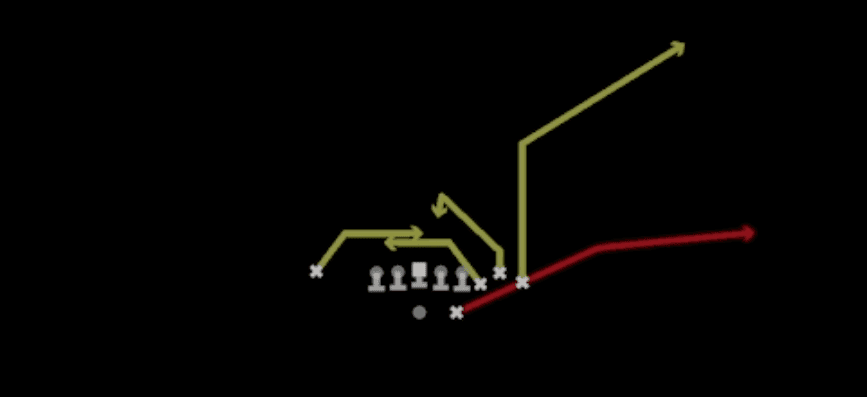 Mesh Flat SpotFlat, Spot, Mesh +6
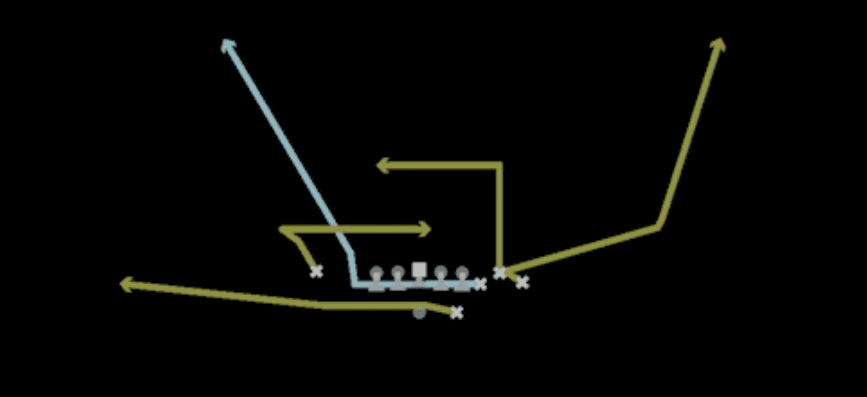 Mtn China WheelWheel, Motion, Pass Play +4
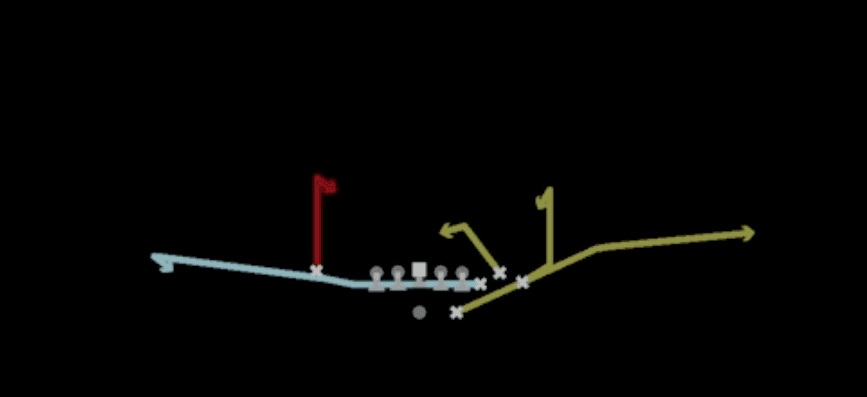 Mtn CurlsMotion, Curl, Pass Play +1
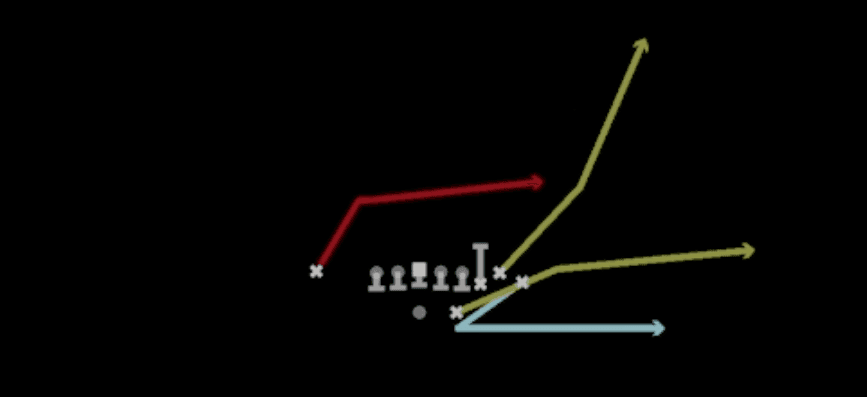 Mtn Double PassMotion, Trick Play, Deep Cross +5
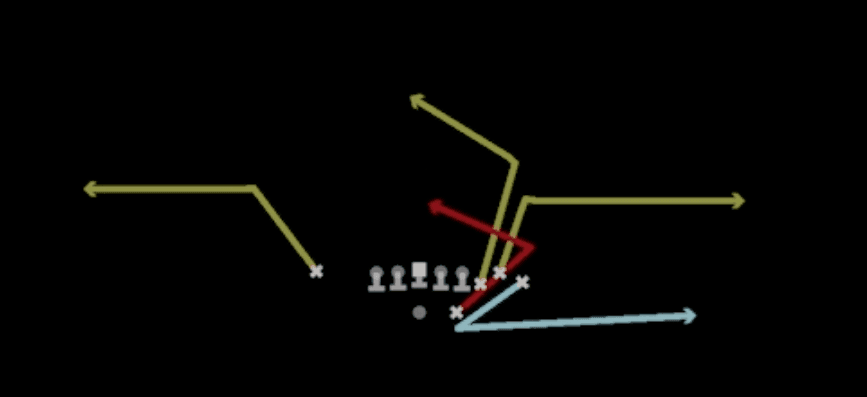 Mtn HB AngleAngle, Motion, Pass Play +4
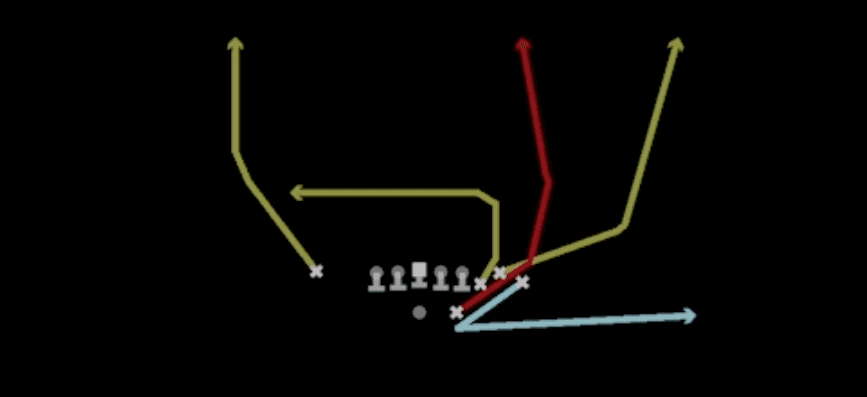 Mtn HB SeamSeam, Motion, Pass Play +4
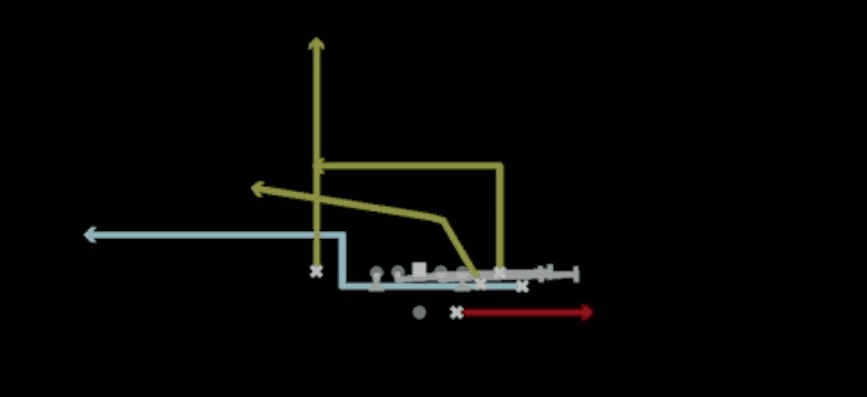 Mtn HB Slip ScreenScreen Pass, Hb Screen, Motion +6
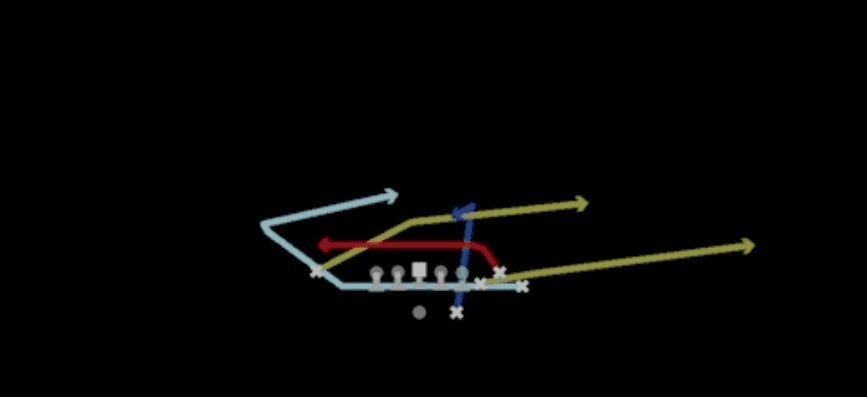 Mtn Mesh TrailMesh, Motion, Pass Play +8
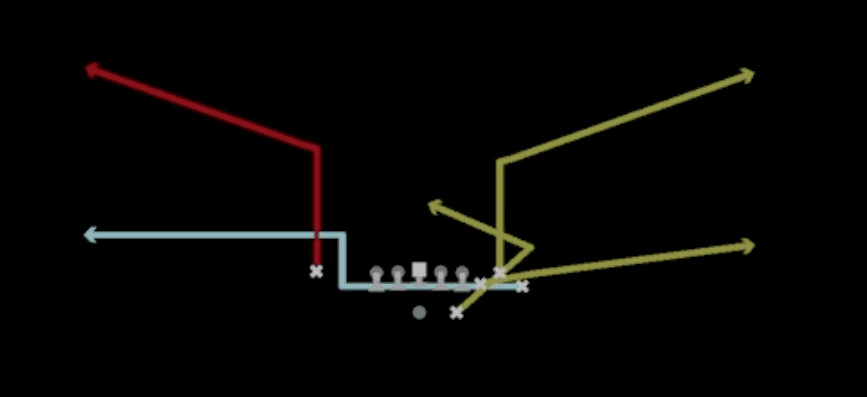 Mtn Smash AngleAngle, Smash, Motion +5
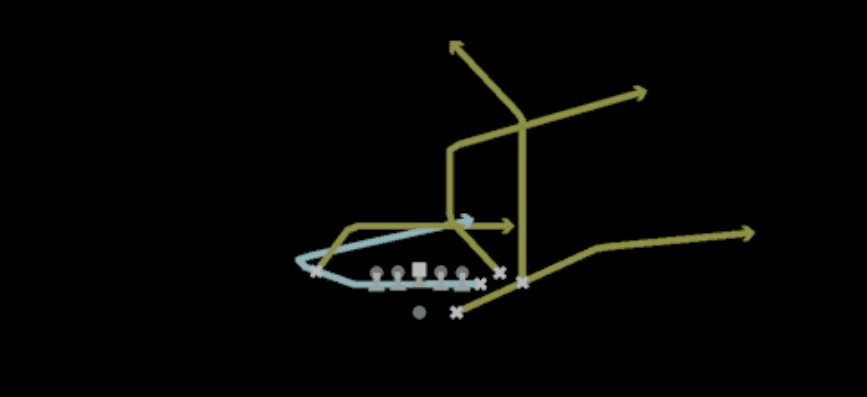 Mtn Trail ForkMotion, Trail, Pass Play +6
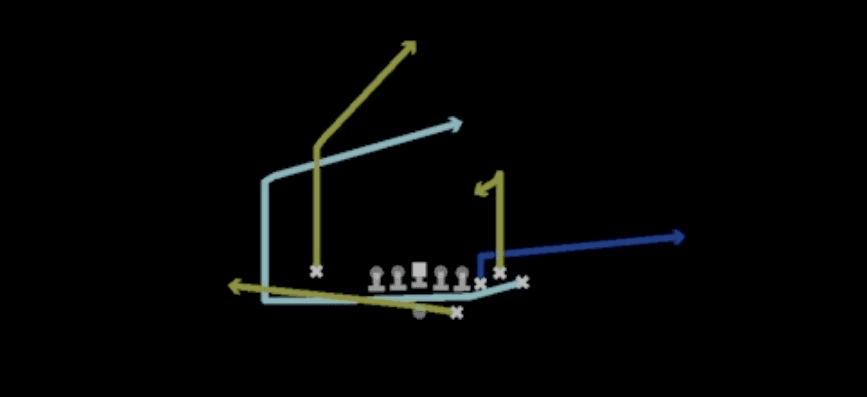 PA Cheat Double PostPlay Action, Post, Double Posts +8
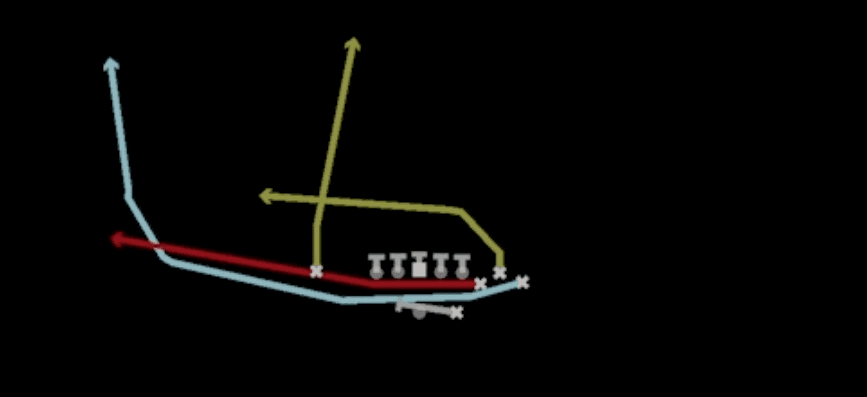 PA Cheat Verticals Y SlidePlay Action, Slide, Four Verts +9
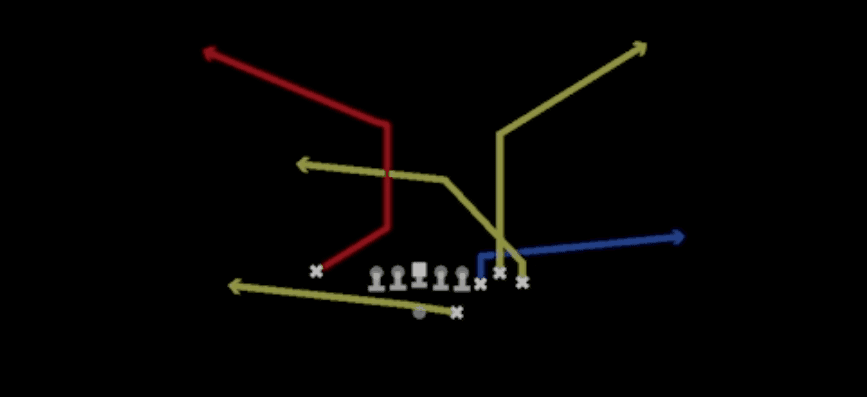 PA CornerPlay Action, Corner, Pass Play +4
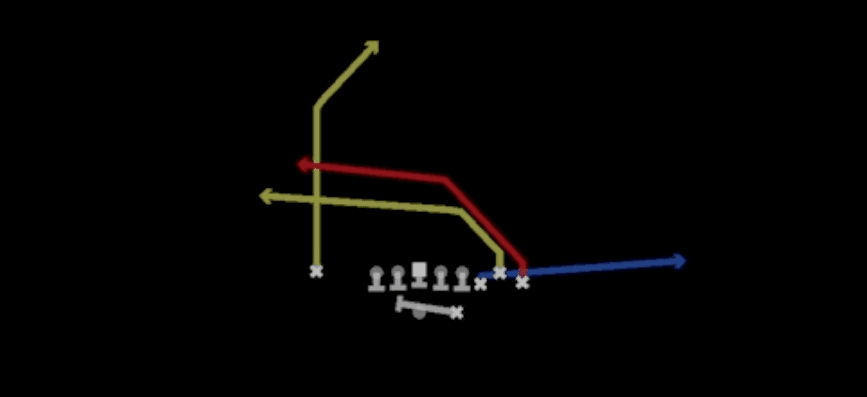 PA CrossPlay Action, Pass Play, Crosser +4
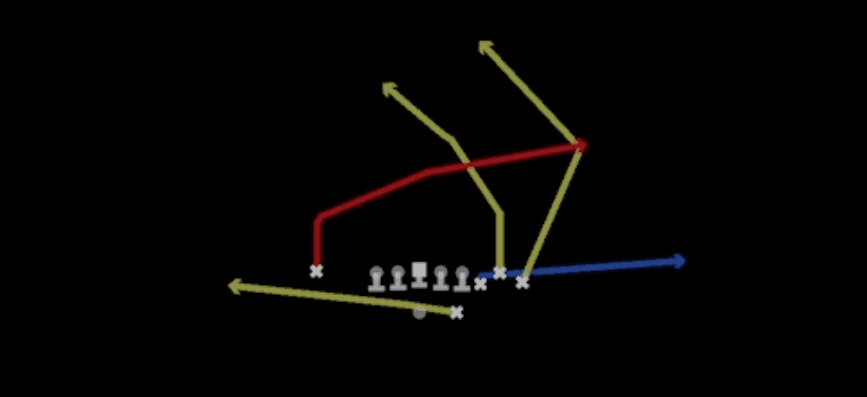 PA Double PostPlay Action, Post, Double Posts +7
 Pin Pull TossToss, Pin And Pull, Run Play +1
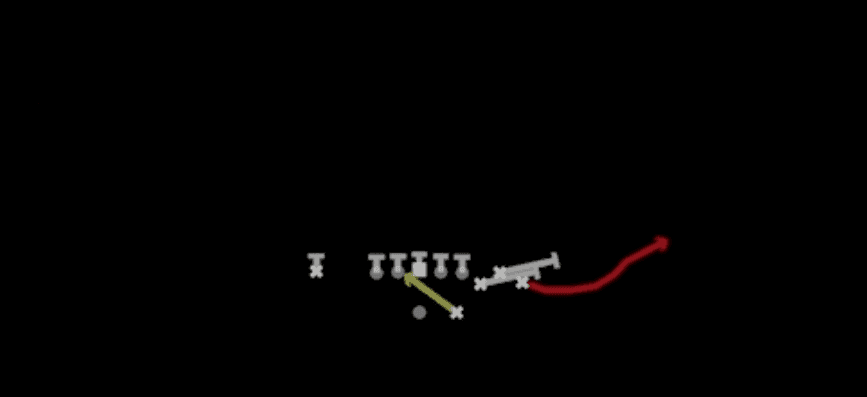 RPO Read BubbleRPO, Pass Play, Run Play +1
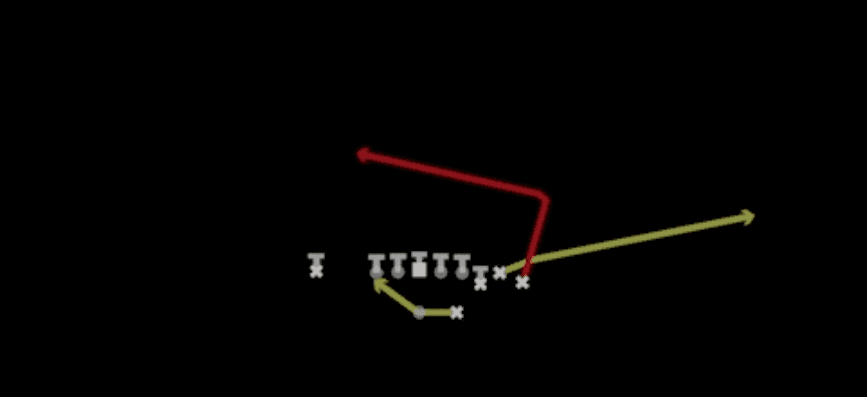 RPO Zone PeekRPO, Pass Play, Run Play +2
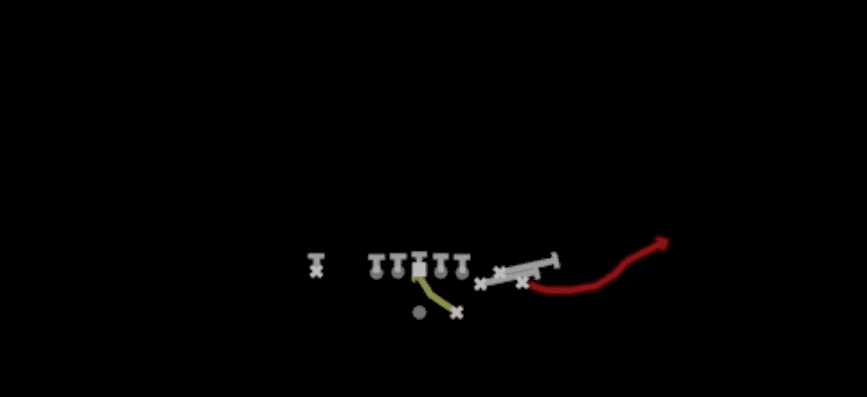 RPO Zone Read BubbleRPO, Pass Play, Run Play +1
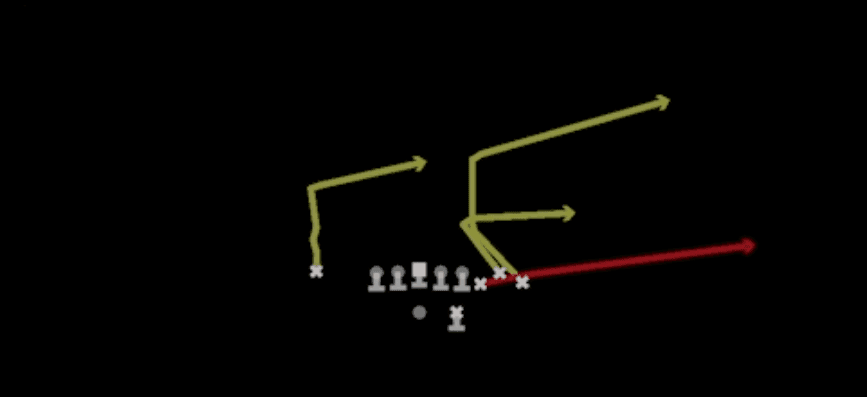 Y Flat QuickFlat, Pass Play, Corner +2
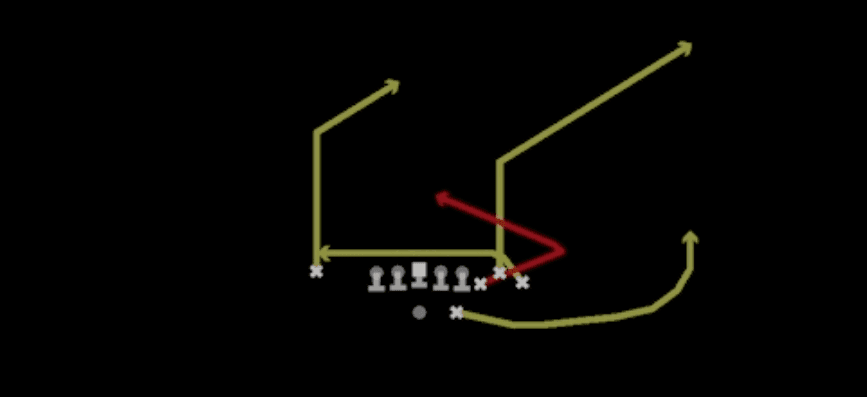 Y TrailTrail, Pass Play, Angle +5
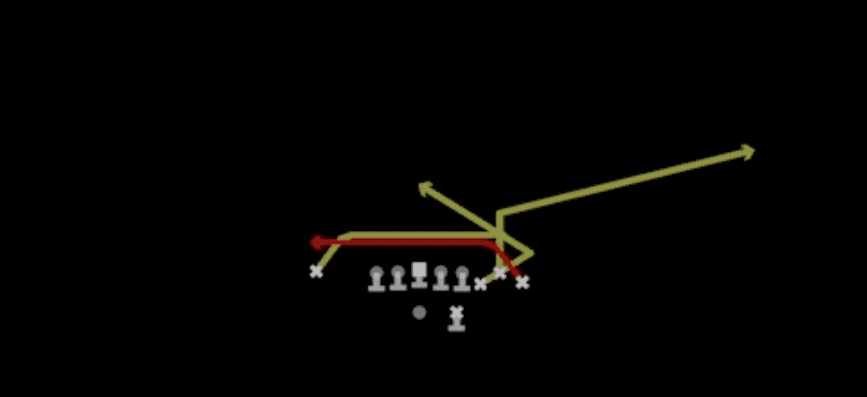 Z Mesh QuickMesh, Pass Play, Man Beater +3
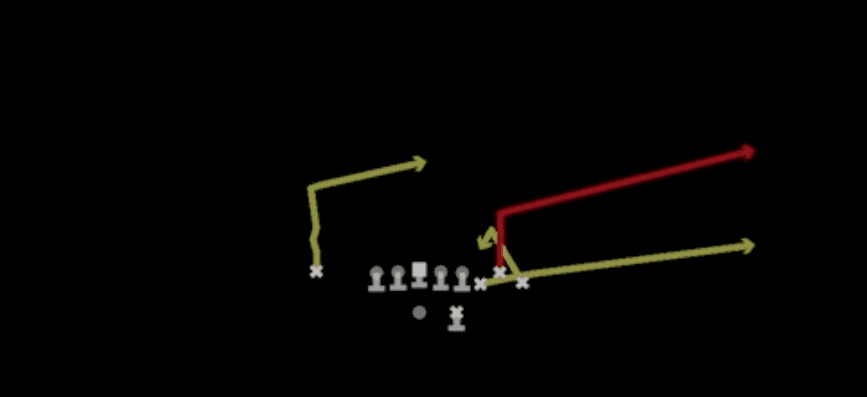 Z Spot QuickSpot, Pass Play, Cover 3 Beater +2