Playbooks
At a Glance
In 1 playbook
Overview
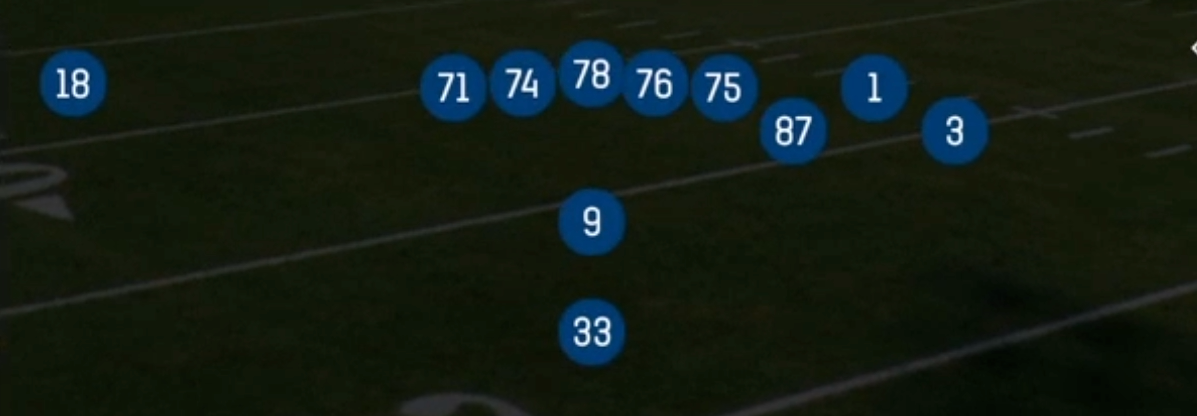
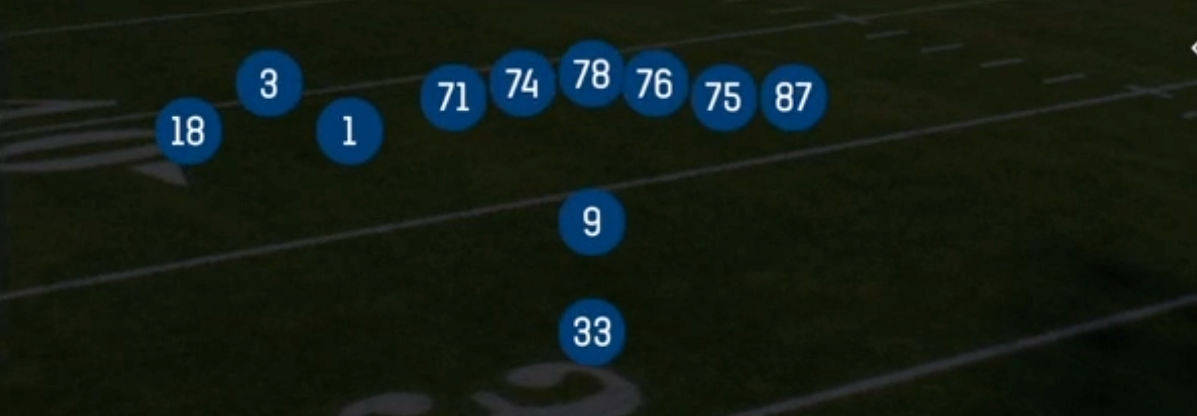
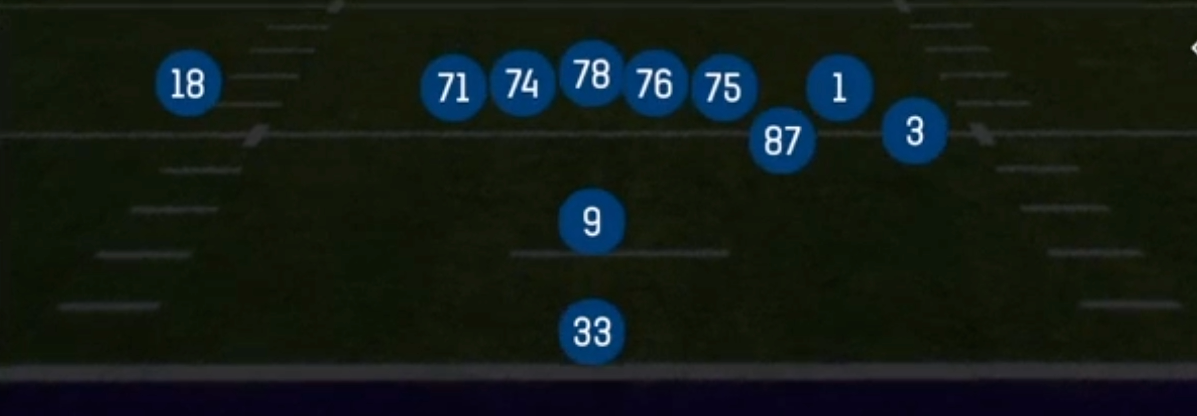
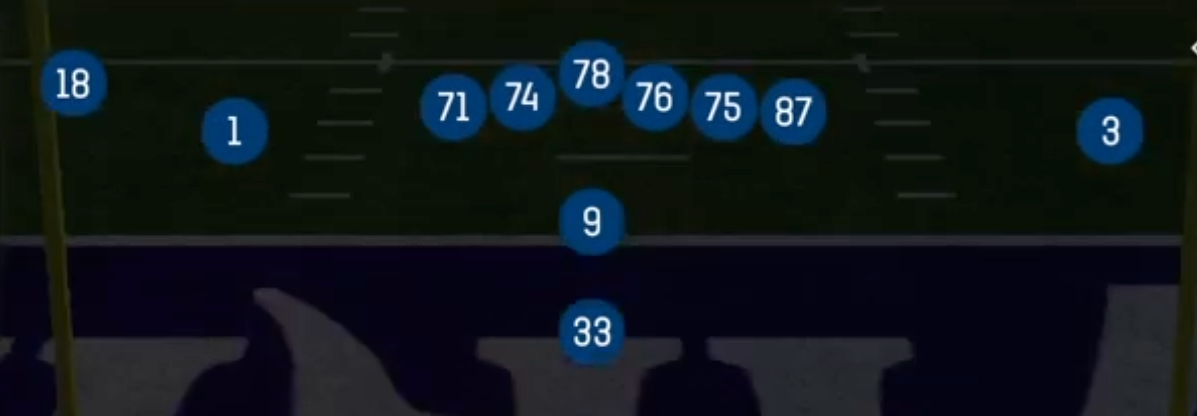
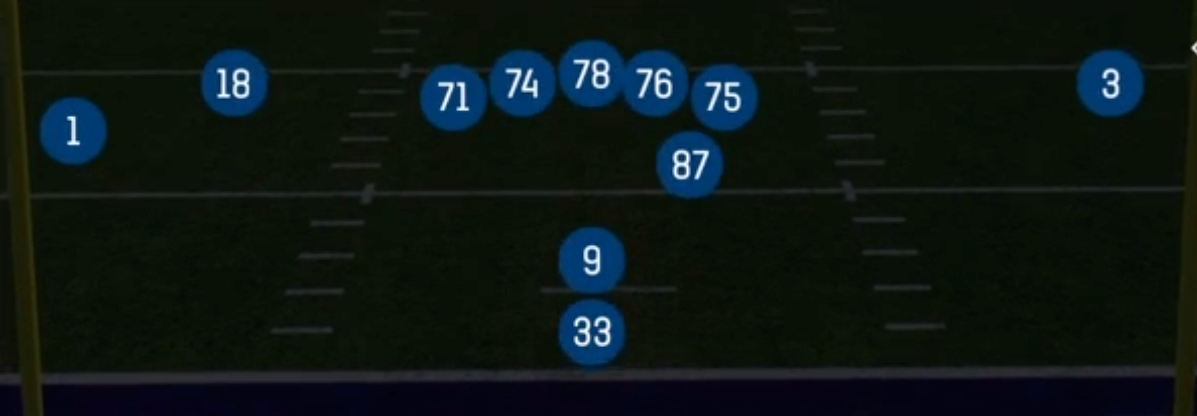
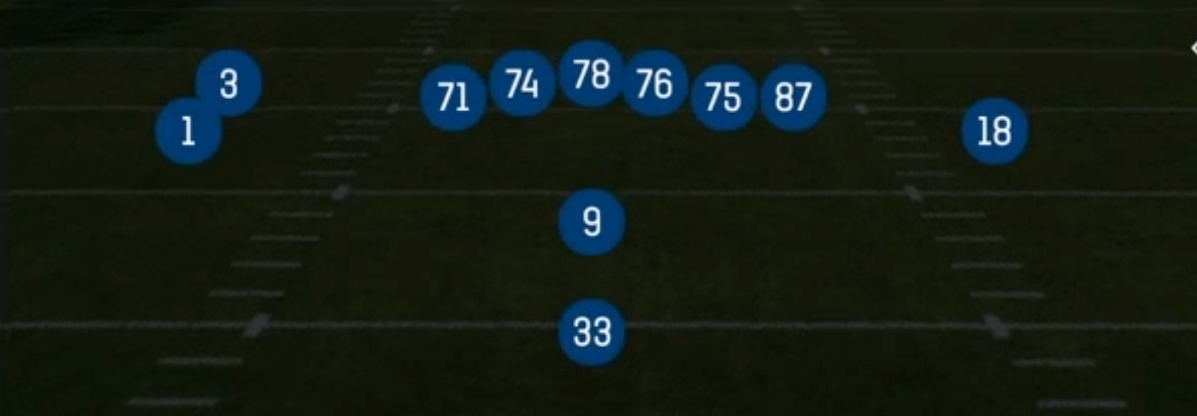
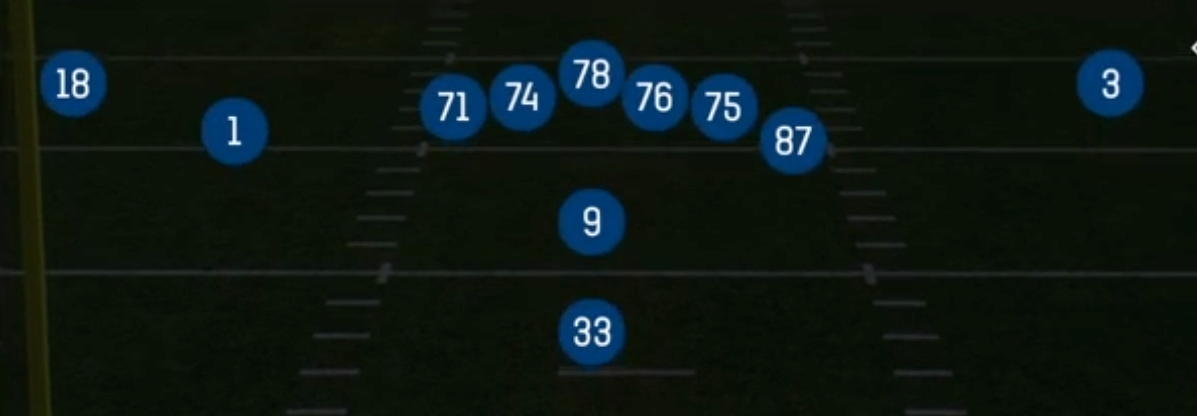
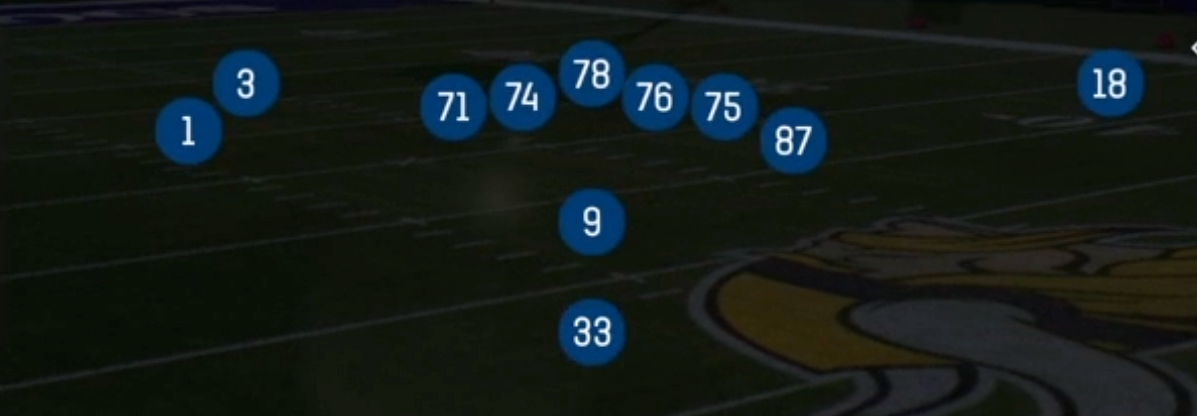
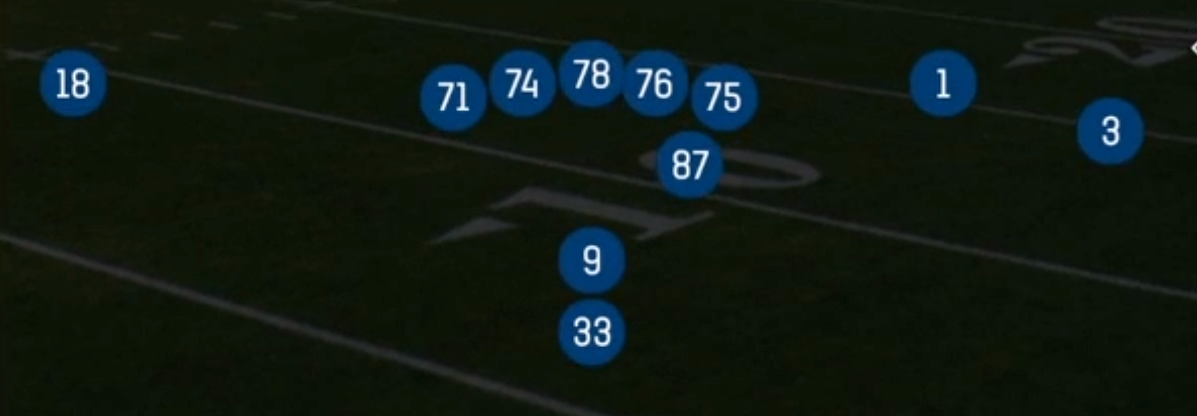
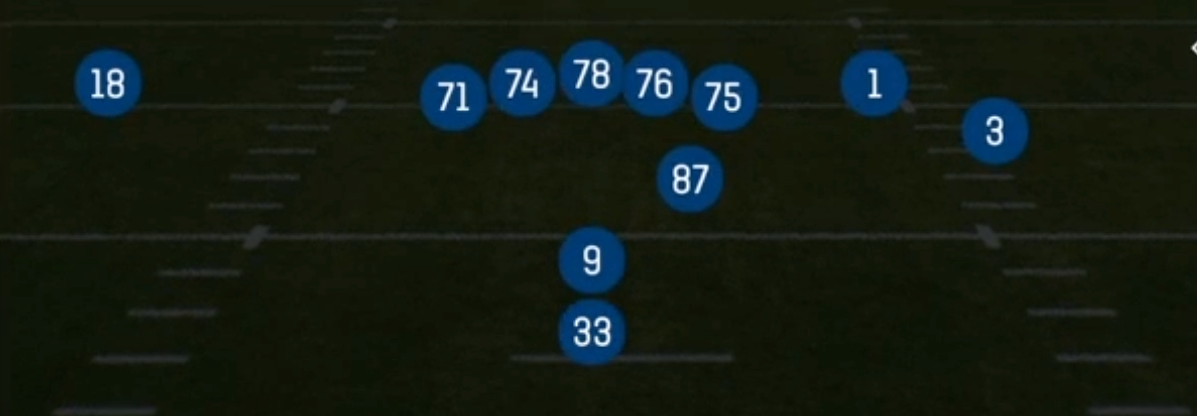
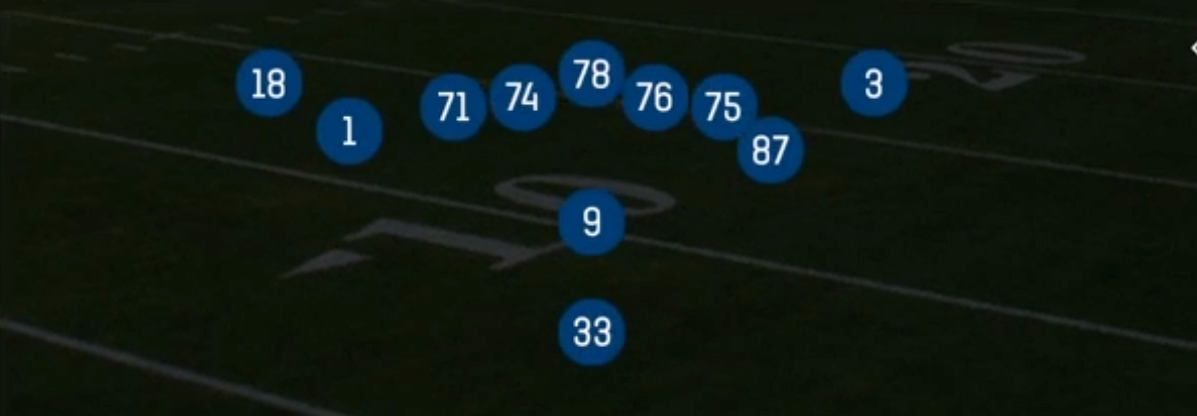
The Philly set in the Pistol formation is a dedicated gadget look built around a single play: the Philly Special. Unlike standard Pistol sets such as Pistol Strong or Pistol Wing, which carry full menus of inside zone, read option, and play-action concepts, Philly exists only to run the direct snap trick play made famous in Super Bowl LII. The alignment uses 11 personnel (1 RB, 1 TE, 3 WR), but the structure is shifted. The running back sits in the Pistol mesh spot to take the direct snap, while the quarterback lines up off the ball in a position that looks like he is making a pre-snap check. That makes him an eligible receiver once the ball is snapped.
The concept is layered misdirection. The back takes the snap and flows laterally like a toss or sweep, then pitches to the tight end on a reverse. The tight end becomes the passer, and the quarterback leaks out as an uncovered route runner, usually into the flat or toward the pylon. The wide receivers run clearing routes that pull cornerbacks and safeties away from the throwing lane. The 11 personnel shell is the key disguise: it matches base or nickel personnel, so defenses rarely substitute into anything built specifically for trick plays.
The set's value comes from how it isolates the quarterback, the one player defensive AI and most human opponents never account for in coverage assignments. Zone defenders key the run flow and the reverse, and man defenders lock onto the three receivers, the tight end, and the back. That leaves the quarterback with a free release into space. On one well-timed snap, Philly can flip a red zone trip or a fourth-and-short into a walk-in touchdown.
Strengths
- The quarterback releases as an unaccounted receiver, so man coverage often leaves him completely uncovered because no defender is assigned to him in the play call
- The direct snap and lateral RB flow sell outside zone or toss action, pulling linebackers and the force defender downhill and emptying the flat for the leak route
- The 11 personnel look matches standard offensive personnel, so opponents rarely sub into a package built to counter trick plays, and the disguise holds through the pre-snap phase
- The reverse pitch to the tight end flips the field, so defenders who over-pursue the back's flow get caught on the wrong side against both Cover 3 and Cover 1 rotations
- The outside receivers can be hot routed into streaks or deep outs to clear cornerbacks and safeties, giving the tight end a clean throwing window to the quarterback near the goal line
Weaknesses
- The set contains only one play, so there are no audibles within the set to escape a bad look, and a player who recognizes the Philly alignment knows exactly what is coming
- The mesh and reverse exchange takes a long time to develop, so edge blitzes, nano pressure off the boundary, or a crashing contain end can blow it up before the tight end ever sets his feet
- A user-controlled linebacker or safety who ignores the run fake and shadows the quarterback's release can take away the primary read and force a low-accuracy throw into traffic
- The tight end has poor throwing ratings, so any pass beyond the short leak route is risky, and a late defender closing on the lane often turns into an interception or deflection
- Zone Cover 2 or Cover 4 with flat defenders who stay home instead of chasing the run flow sits right on top of the quarterback's route and kills the concept
Usage Tips
Save Philly for one high-leverage call per game, ideally inside the 10-yard line or on fourth and short, after you have run Pistol inside zone and toss enough times to condition your opponent to crash on run flow
Pre-snap, read the defense for man coverage with an aggressive run fit. Cover 1 or Cover 0 looks where the linebackers are keyed downhill give you the highest chance of a free quarterback
If you see edge pressure lined up to the reverse side or a user sitting in the flat, burn a timeout or take the delay of game rather than snapping into a known loss, because you cannot audible to another play within the set
Hot route the outside receivers to clear out, using streaks or corner routes, so the cornerbacks carry vertically and the flat stays empty for the quarterback's leak route
Once the tight end catches the reverse pitch, get the throw off early to the quarterback on the first open window. If the lane closes, tuck it and run to the edge instead of forcing a pass with a low-THP tight end