Playbooks
Punt

At a Glance
In 128 playbooks
Overview
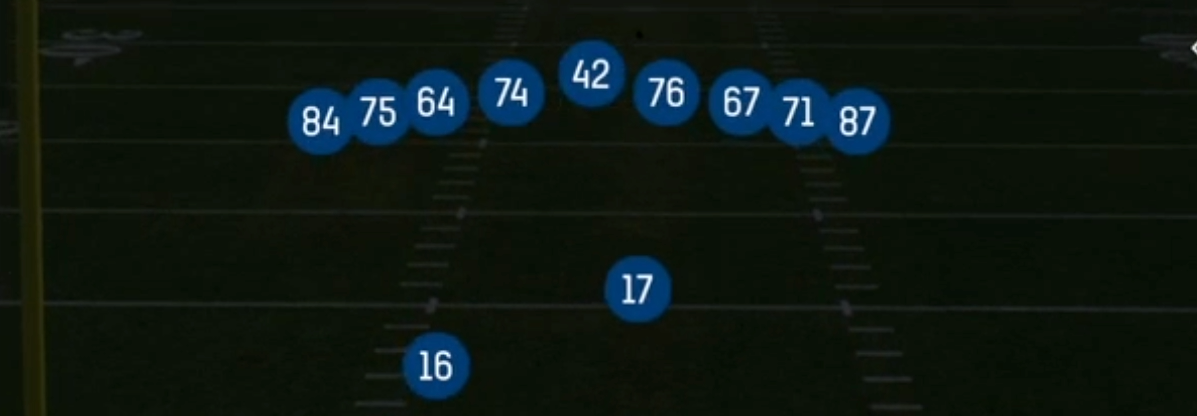
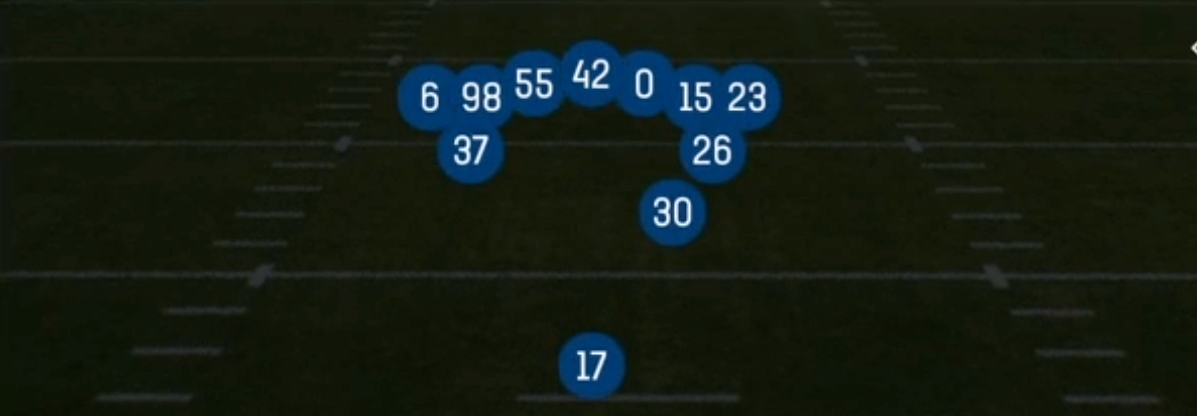
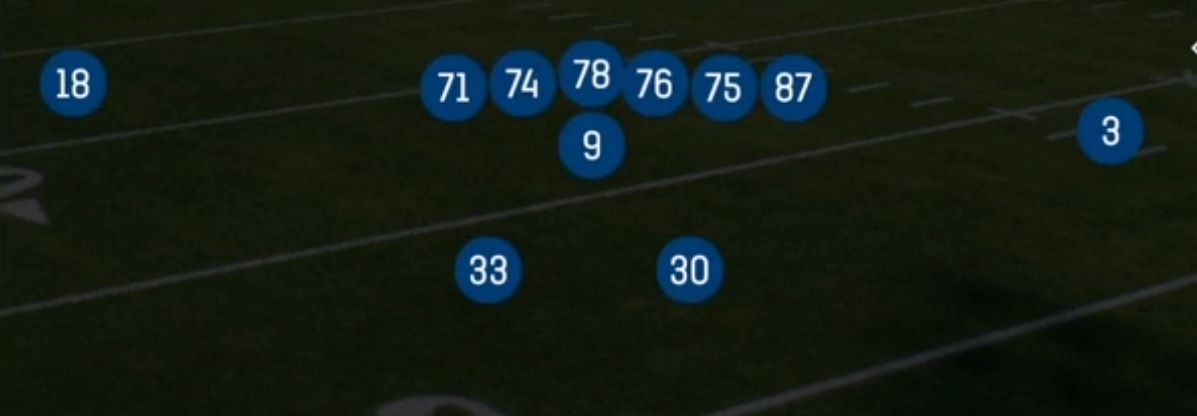
The Punt set is the standard fourth down alignment of the Special formation. It has a long snapper over the ball, interior linemen and wings for protection, a personal protector (the upback) roughly five yards deep, the punter at about fifteen yards, and two gunners split wide at the numbers. Field Goal and Kickoff sets are built for one purpose. The Punt set pairs a real kicking option, Punt 2, with eight fake calls that attack every level of a return team, from a direct snap dive to a punter throw on a gunner curl.
Because Madden treats this as special teams personnel rather than a traditional offensive package, the CPU and most opponents respond with punt return or punt block looks. Those looks commit numbers to the box or drop defenders deep for the return. That creates real matchup edges. Gunners are usually isolated one on one against a single jammer or vice, the wings can release into flats vacated by rushers, and the upback often faces an unblocked lane once edge defenders fly upfield for the block.
The fake menu covers run and pass concepts. Fake Punt Dive, Fake Punt Off Tackle, Fake Punt Sweep, and Fake Punt Shovel attack the interior and perimeter against overloaded block packages. Fake Punt W Release, Fake Punt FB Flat, Fake Punt FB Pass, and Fake Punt X Curl turn protectors and gunners into receivers against return alignments that leave the short and intermediate zones empty. The result is a surprise set that can steal possessions when the defense misreads the situation.
Strengths
- Return alignments often leave only one defender on each gunner, so Fake Punt X Curl isolates the gunner on a quick curl against a vice that is bailing to block, a reliable man beater at the sticks.
- Punt block looks send extra rushers off the edge, which empties the flats and makes Fake Punt W Release and Fake Punt FB Flat easy zone beaters once the rush commits.
- Fake Punt Dive and Fake Punt Off Tackle hit fast behind a wide protection wall, which punishes return teams that stack defenders outside and leave soft interior gaps.
- The set pairs a real punt with eight fake options, so the defense cannot confirm your intent pre-snap, and blind calls force the opponent to guess between a safe return look and an aggressive block call.
- Fake Punt Shovel and Fake Punt Sweep exploit overpursuit, because edge rushers crashing hard on a block attempt run themselves out of the play and open cutback lanes.
Weaknesses
- Most opponents keep a regular defensive package in when the offense shows fourth and short in plus territory, and a standard base or goal line defense takes away the numbers advantage fakes rely on.
- Punters and upbacks usually have low throwing power, accuracy, and ball carrier ratings, so any fake that asks them to make a contested throw or break tackles has a thin margin for error.
- A user-controlled defender sitting in the flat or mirroring the upback can erase Fake Punt FB Flat and Fake Punt W Release, since those plays have limited progression reads.
- Gunners and wings are typically backup receivers or special teams players with poor route running and catching, which makes drops and bad route timing a real risk against tight coverage.
- A failed fake hands the opponent short field position, and repeating fakes creates a tendency that savvy players will punish by staying in their base defense every fourth down.
Usage Tips
Before calling a fake, read the return team alignment: count the box defenders and check whether the gunners have a single jammer or a double vice. Double vices and a loaded box point to the pass fakes.
Call Fake Punt X Curl or Fake Punt W Release when the defense shows a heavy punt block with rushers crashing both edges, since those looks vacate the short zones the routes target.
Save Fake Punt Dive and Fake Punt Off Tackle for fourth and one or fourth and two near midfield, where a quick direct snap gains the yard before the return team can reset.
Learn how the Punt 2 play art compares with each fake so you can flip between them without giving away a pattern, and never call a fake twice in a row against the same opponent.
The best time for fakes is when the opponent is protecting a lead and returning punts aggressively, or late in close games when field position matters less than keeping the ball.