Playbooks
Punt Tight

At a Glance
In 128 playbooks
Overview
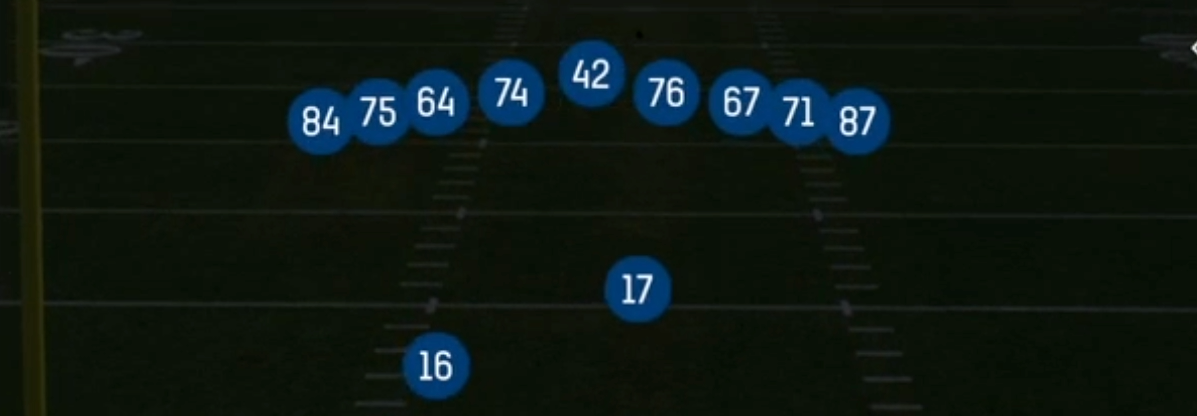
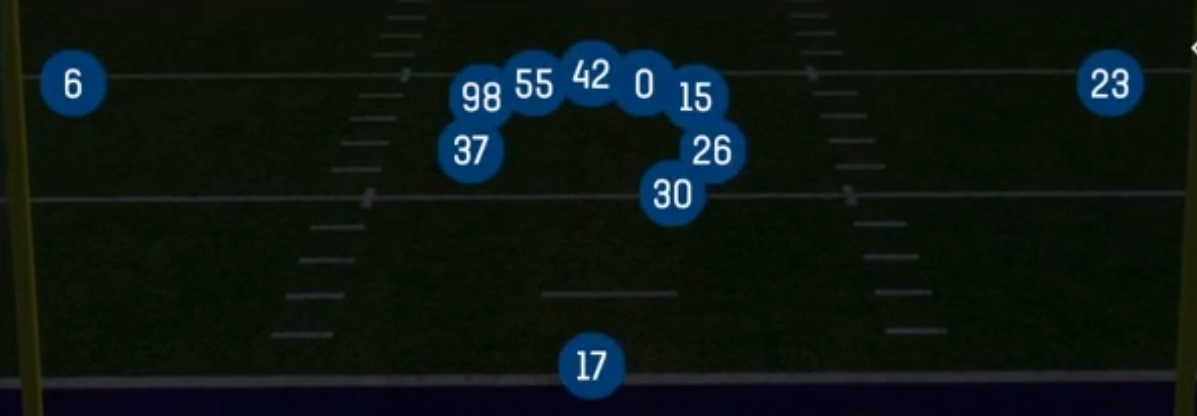
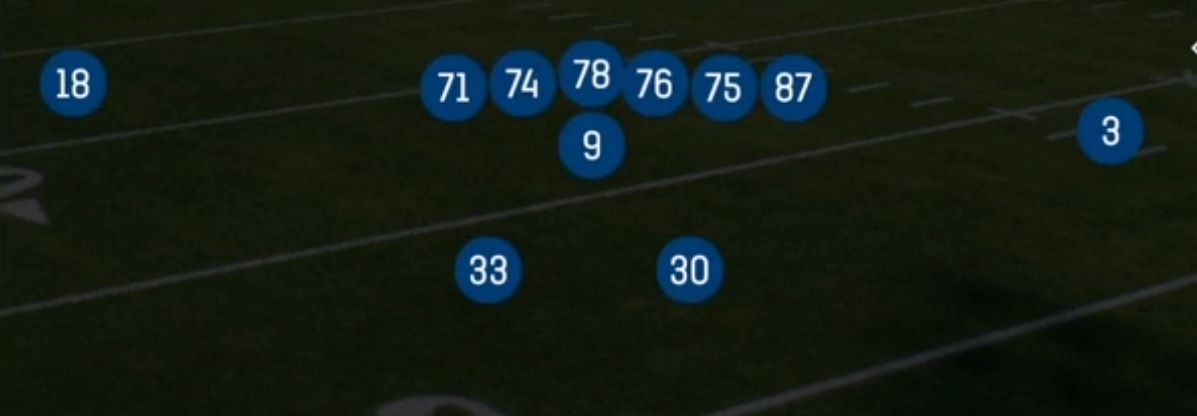
Punt Tight is the maximum protection punt set in the Special formation. Instead of splitting the gunners wide to the numbers like the standard Punt look, Punt Tight pulls the entire unit into a compressed alignment: the gunners sit tight to the formation, wings stack off the edges, and the personal protector anchors behind the line in front of the punter. Every body is positioned to seal the interior and edges first and release into coverage second. That makes it the go-to look when the priority is getting the kick off cleanly rather than downing it inside the 10.
Because the set has no personnel group or tags and only one play in its playbook (Punt), there are no route combos, receivers to isolate, or fake punt threats built into it. The matchup advantage it creates is purely in protection. By removing the wide gunners, it takes away the edge speed rush angles that Punt Block calls and user-controlled edge defenders use to get a hand on the ball. Defenses cannot leave a gunner uncovered to run a fake against, and they have to beat a wall of blockers to create a block.
The tradeoff is coverage. Since the gunners release from inside the box instead of from the numbers, they reach the returner later, which gives returners more room to field the ball cleanly and pick a lane. Punt Tight is a field position insurance policy. You give up some net yardage and downing ability in exchange for near certainty that the punt gets off, which matters most when you are backed up deep in your own territory or facing an opponent who loves to sell out for the block.
Strengths
- Compressed alignment with wings and a personal protector takes away the edge rush lanes that Punt Block calls and user-controlled edge defenders rely on, sharply reducing blocked punt risk.
- Ideal when backed up inside your own 10, where a blocked punt is often a touchdown or safety and a clean kick matters far more than maximizing hang time coverage.
- Tight splits mean the defense cannot win by overloading one side against a thin edge, so nano style punt block overloads that work against standard Punt are far less effective.
- No gunners split wide removes the pre-snap read for the defense, since there is nothing to key on for a fake and no wide alignment to exploit with a jam or double team.
- Lets you use the full kick meter for power and directional aim without worrying about a rushed release, so you can angle the ball toward the sideline to limit return lanes.
Weaknesses
- Gunners release from inside the formation, so coverage arrives late and returners get extra time to field the ball and set up a return lane.
- Only one play exists in the set, so there is zero fake punt threat and savvy opponents can call aggressive punt return schemes knowing no fake is coming.
- Poor choice for pinning an opponent deep, since slow downfield coverage makes it hard to down the ball inside the 10 and touchbacks become more likely on short fields.
- Opponents who read the tight look can switch from Punt Block to a punt return with walls set up, turning your protection advantage into a field position loss.
- Predictable usage: if you only show Punt Tight when backed up, opponents learn the tendency and pre-set their return call for those situations.
Usage Tips
Call Punt Tight when you are inside your own 15 or when your opponent has shown Punt Block or a heavy edge rush on earlier punts, since protection is the priority there.
When punting from midfield or trying to pin the opponent inside the 20, switch to the standard Punt set so the split gunners can get downfield and down the ball.
Use the kick aim to angle the ball toward the sideline, which helps make up for the slower coverage by cutting the field in half for the returner.
Watch the return team pre-snap: if you see a loaded box with rushers crowding the edges, Punt Tight is the right call, but if you see a spread return look, consider a higher, shorter punt to limit return yardage.
Mix Punt Tight and standard Punt in non backed up situations so opponents cannot read your alignment and pre-set a punt return scheme against you.