Playbooks

Receiver routes
Depth-chart slots are shown as they line up in the base package for this set.
| Player | Side | Route |
|---|---|---|
| HB1 | Middle | Pass Block |
| FB1 | Left | Flat |
| WR2 | Left | Slant |
| WR1 | Left | Slant |
| TE1 | Right | Flat |
Read progression
- WR2 left, Slant
- WR1 left, Slant
- TE1 right, Flat
- FB1 left, FlatCheck-down
Breakdown
Slants out of Weak I Slot with 21 personnel sends both outside receivers on quick slant routes crossing underneath, with the slot receiver running a deep corner route to stretch the field vertically. The fullback releases into a flat route as a checkdown option, while the offensive line holds up in max protect. This is a man beater built around the double slant combo, attacking natural picks and rubs to shake defenders in press or trail technique, with the primary read progression working from the near slant to the far slant, then to the corner route if a safety bites underneath.
Defensive Reads
Press man coverage on the outside receivers is the biggest tell that the double slant concept will hit early and fast, especially with no safety help over the top. Watch for the middle linebacker depth at the snap, if he sits shallow he can jump the near slant and blow up the first read. Zone shells like Cover 3 or Cover 4 with linebackers sinking into passing lanes are the main counter, since they clog the slant windows and force the quarterback to the corner route or checkdown. Identify user controlled defenders lurking in the shallow crossing zone, as a smart user will sit on the slant crossing pattern and jump the throw. Blitz packages that bring extra rushers off the edge can still be countered by the fullback flat route serving as a hot read if protection breaks down.
Usage Tips
Look for man coverage indicators pre-snap like tight corner alignment on the outside receivers before committing to this call. Use motion or a quick audible to check if the corners are shaded inside, which signals a favorable window for the slant routes to break open against outside leverage. Hot route the fullback to a wheel route against zone shells to add a vertical answer if linebackers sit low on the slants. Pair this with PA Slot In or Dagger from the same set to keep defenders honest on run fits before hitting them with the quick slant timing. Best used on early downs or third and short where the quick game timing of the slants punishes blitz-heavy man coverage before pressure arrives.
Other Plays in Slot
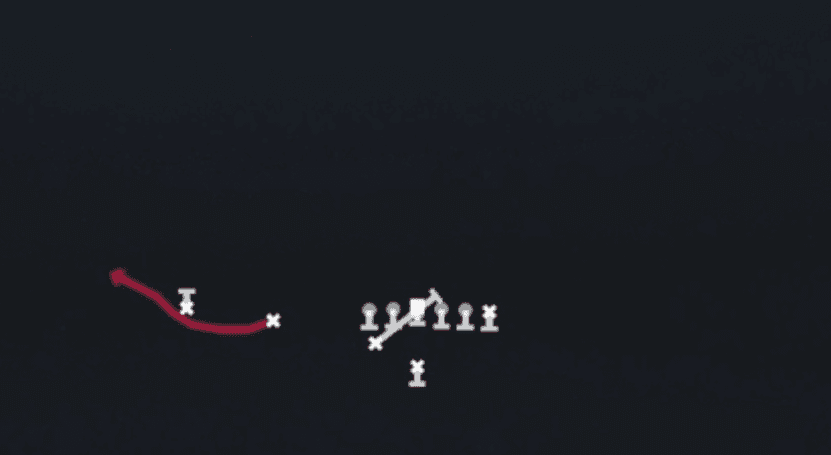 Bubble ScreenScreen Pass, Bubble Screen, Pass Play
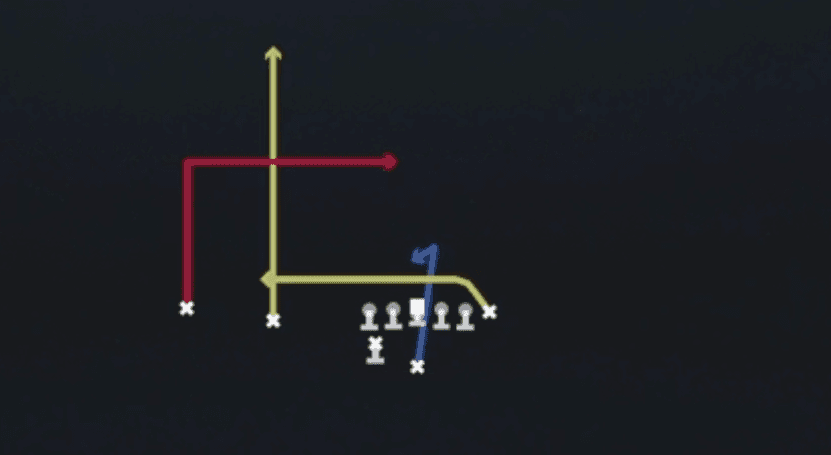 DaggerDagger, Pass Play, Cover 2 Beater +6
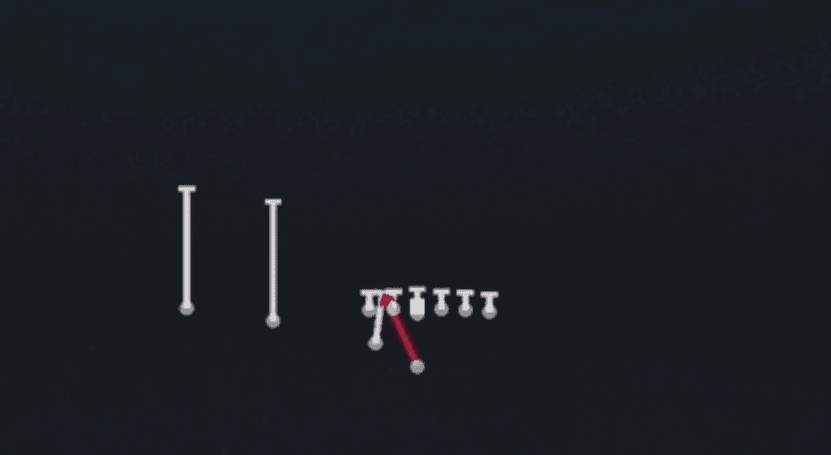 HB BlastIso, Run Play, Power Run
 HB OptionOption Route, Pass Play, Corner +2
 HB Slip ScreenScreen Pass, Hb Screen, Pass Play +3
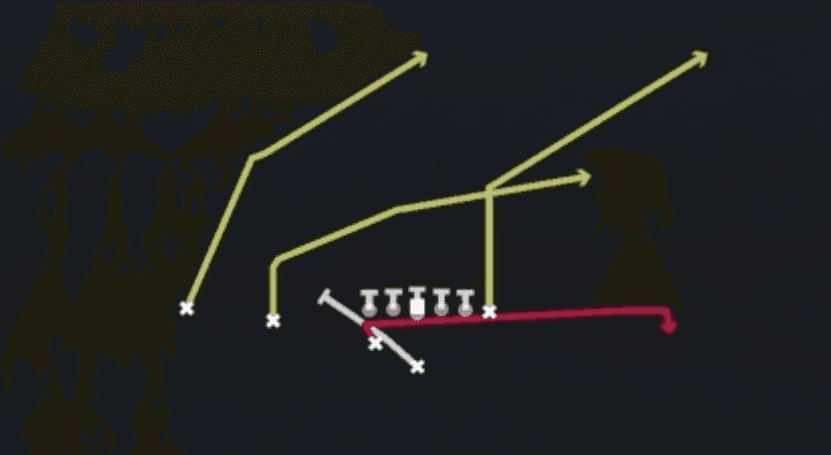 PA Boot SlidePlay Action, Slide, Pass Play +4
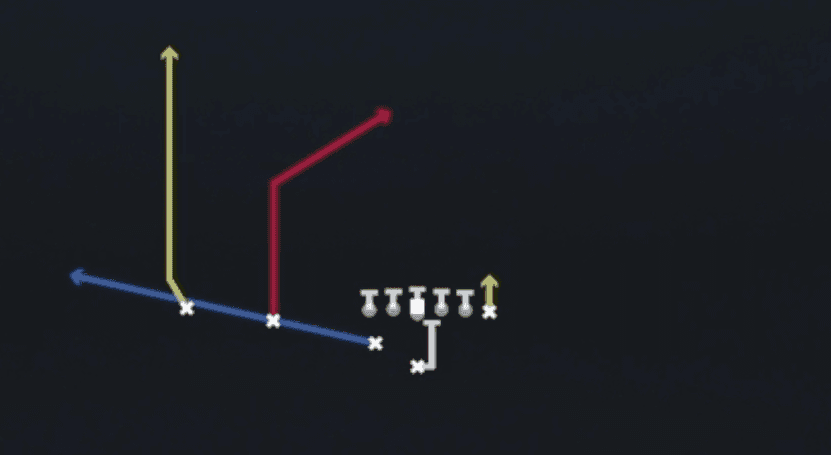 PA Deep ThreatsPlay Action, Pass Play, Block and Release +3
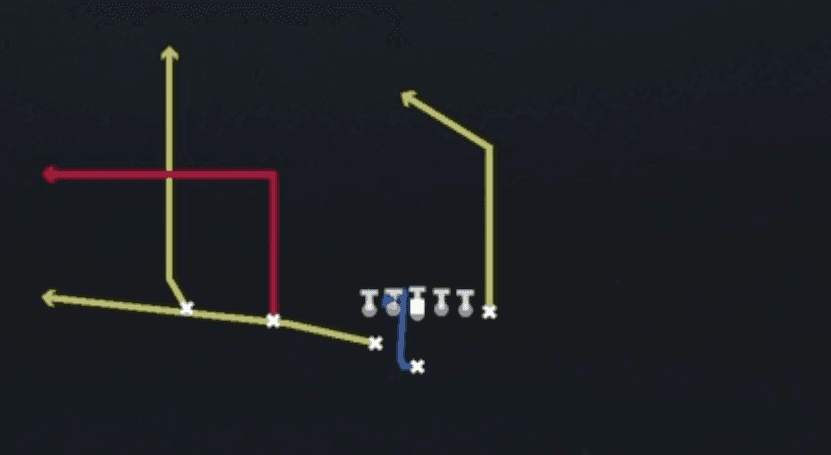 PA FloodPlay Action, Flood, Pass Play +6
 PA Slot InPlay Action, Pass Play, Corner +3
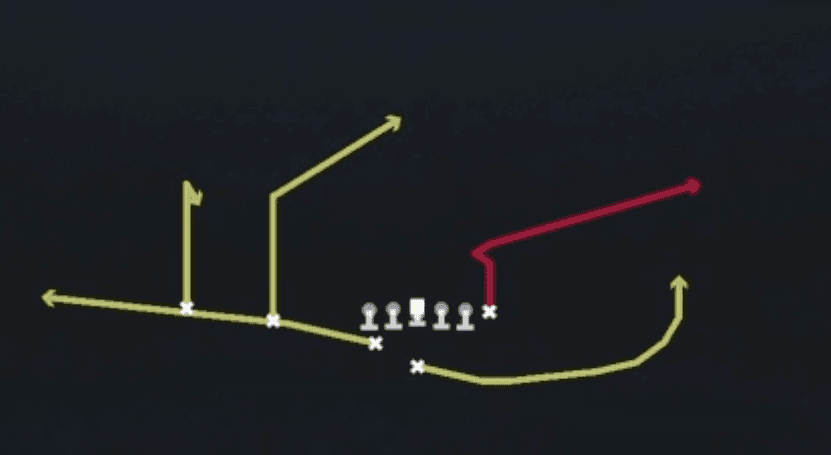 Read FB FlatFlat, Pass Play, Curl +3
 Texans HB LeadIso, Run Play, Power Run