Playbooks
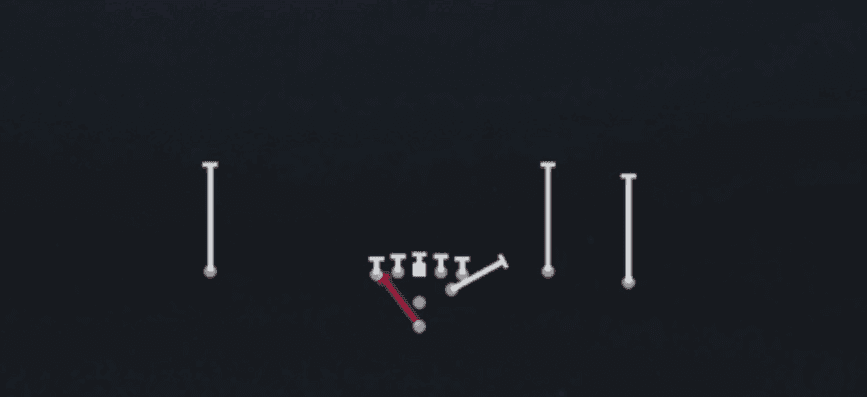
Quick Reference
Breakdown
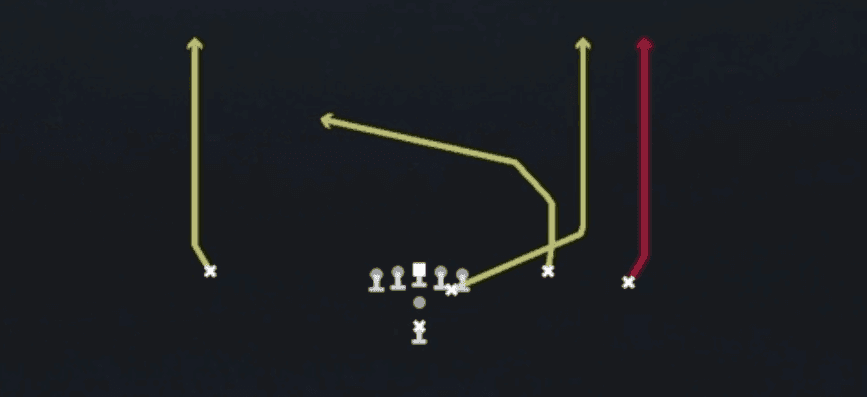
HB Zone Wk is an inside zone run out of the Pistol Open Flex formation with 11 personnel. The offensive line executes a zone blocking scheme, working combo blocks to the weak side and climbing to the second level to seal off linebackers, while the HB reads the frontside cutback lane behind the pistol alignment. This is a pure run play designed to attack gap displacement and light boxes rather than beat man or zone coverage through the pass game. The primary read progression starts with the frontside double team, then bounces to the backside cutback lane if the playside gap gets clogged.
Defensive Reads
Look for linebacker depth before the snap, since linebackers sitting too close to the line get sealed easily by the zone combo blocks. Identify whether the defense is in a base 4-3 or 3-4 front, as these fronts with fewer gap exchanges are easier to displace than odd fronts with a nose tackle in the A gap. Watch for a Mike linebacker blitz or a run blitz call, since a fast flowing linebacker crashing downhill can blow up the zone track before the double teams set. Key the safety alignment, because a single high safety cheating down into the box signals run support that can outnumber the blocking scheme to the frontside. Beware of user controlled defensive linemen shooting gaps, since a disciplined user staying home in the backside cutback lane can take away the HB's secondary read.
Usage Tips
Check the box count before the snap and only run this into 6 or fewer defenders in the box to avoid running into a stacked front. Use the pistol alignment to disguise your run and pass intentions, since Open Flex carries both HB Zone Wk and PA Boot Rt for balanced play calling. Manually control the HB and press the frontside hole first before committing to the backside cutback, since the zone blocking scheme is designed to create a natural rhythm read. Pair this with HB Stretch and Mtn HB Stretch in your play sequencing so the defense has to respect both inside and outside zone tracks off the same personnel look. Run this on early downs like first and ten or second and short when defenses are more likely to sit in base fronts instead of nickel or dime packages.
Other Plays in Open Flex
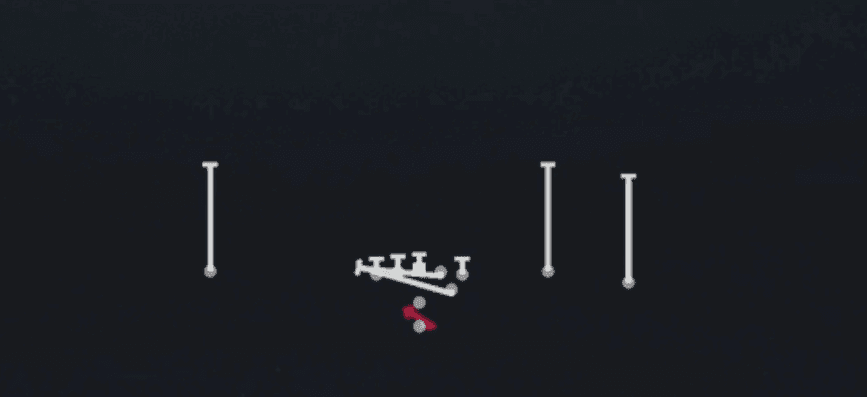 Counter FCounter, Run Play, Power Run
- HB DiveRun Play
- HB Slip ScreenScreen Pass, Post, Streak +1
- HB StretchRun Play
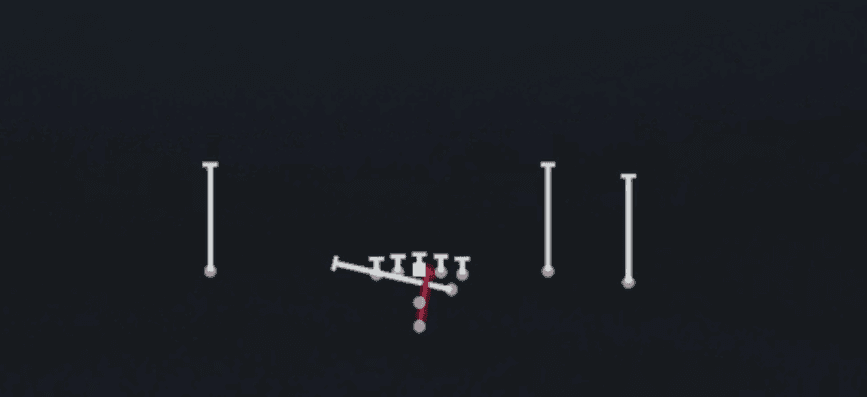 Inside Zone SplitInside Zone, Run Play, Zone Run
- Mtn HB StretchRun Play
- Mtn HB Zone WkRun Play
- Mtn PA Boot RtBlock and Release, Corner, Deep Cross +4
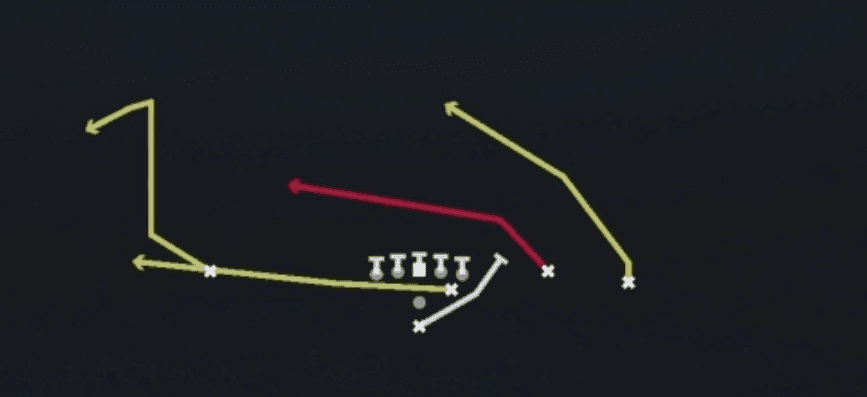 PA BootPlay Action, Pass Play, Comeback +3
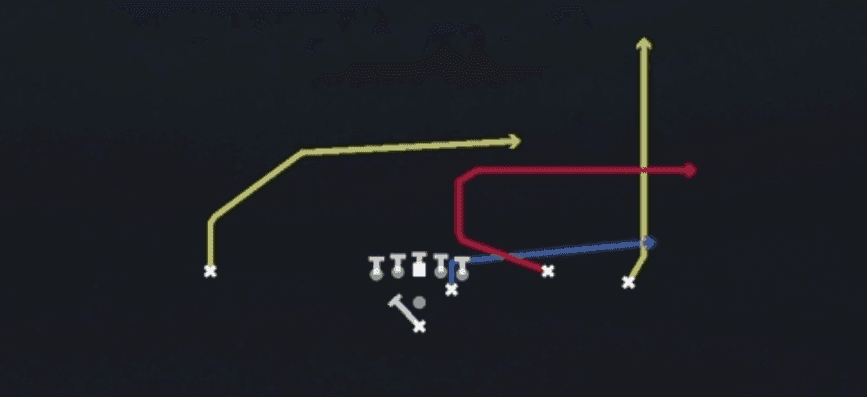 PA Boot RtPlay Action, Pass Play, Block and Release +4
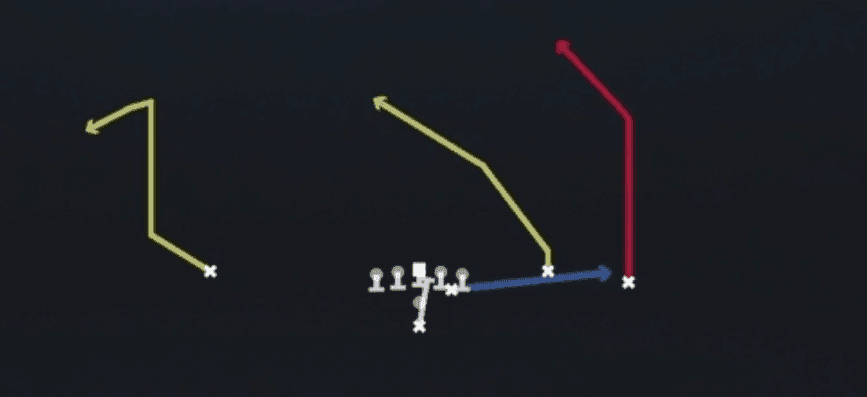 PA Double PostPlay Action, Post, Double Posts +7
- PA X SlantSlant, Flat, Post +4
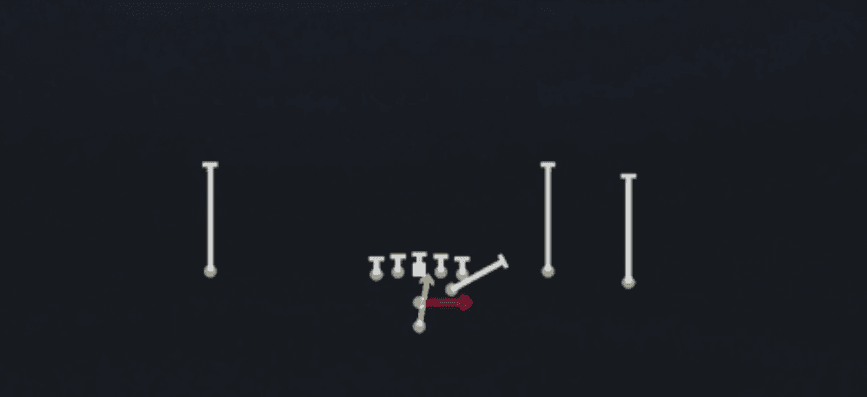 Read OptionRead Option, Run Play
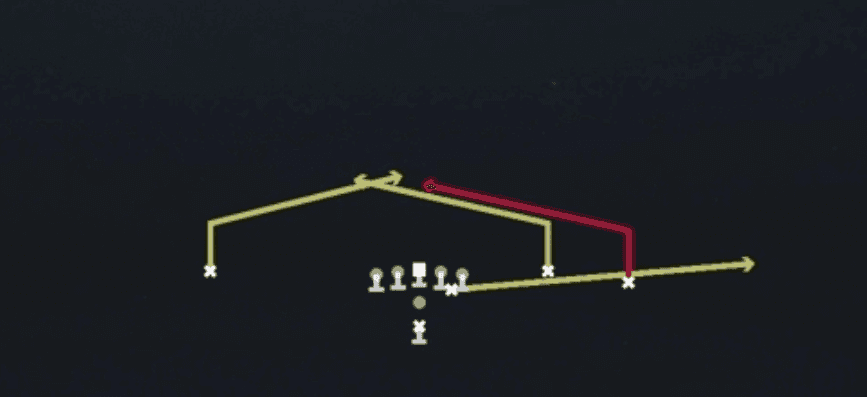 SlantsSlant, Pass Play, Flat
 VerticalsFour Verts, Pass Play, Cover 2 Beater +5
- Z SpotCorner, Flat, Slant +1