Playbooks
Quarter
DefenseExample Plays from Quarter


Overview
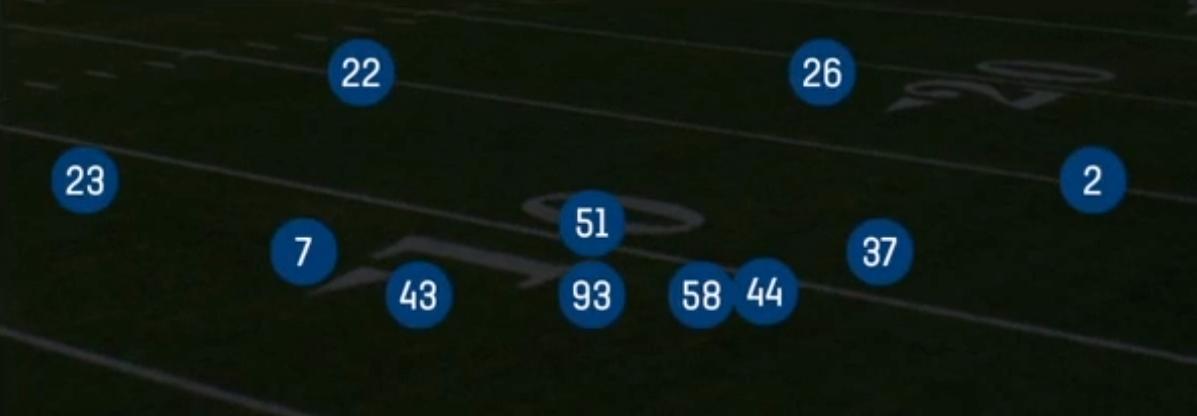
The Quarter formation is a seven defensive back package built to take away the pass in obvious throwing situations. It gives you 37 plays across three sets: 1-3-7, Over Load, and Normal. Personnel runs through Big Quarter 1-3-7 and Big Quarter 3-1-7, so you can choose between a single down lineman with three linebackers, or a traditional three man front with one linebacker behind it. Either way, seven coverage defenders are on the field. Those extra DBs let you match every receiver in 4 and 5 wide sets while still keeping safety help over the top.
Pre-snap, the 1-3-7 set looks like chaos to the offense. The lone lineman and three stand-up linebackers can mug gaps, drop, or bring pressure from anywhere, which disguises rush numbers and makes protection reads difficult. Over Load stacks defenders to one side of the formation to create numbers advantages on pressure. It forces the quarterback to identify the overloaded side before the snap or eat a free rusher. Normal is the cleanest look, with a balanced front and DBs spread across the field to play true Cover 4, Cover 3, Cover 2 man, and prevent style shells.
The philosophy is simple: flood the field with coverage and force offenses to beat you underneath with patience. Quarter overloads zones with extra defenders, so the flood concepts, levels, and four verts that shred base and nickel packages get far less room. Sticking a DB on a slot receiver or a pass catching tight end also removes the linebacker mismatches that spread offenses hunt for. It is a third and long and two minute drill staple, and in the right hands it doubles as a disguise heavy pressure package.
At a Glance
Quarter is a counter to spread, air raid, and West Coast offenses that live in empty and 4 wide sets and target slot mismatches. It fits a defensive play caller who likes disguise heavy pressure and multiple coverage shells, especially one with deep safety and nickel talent who can cover in space. Rosters with rangy DBs and at least one strong user defender get the most out of it, while teams with weak run defense should keep it tied to obvious passing downs.
Strengths
- Seven DBs let you match speed and route running on every receiver, eliminating the linebacker on slot and linebacker on tight end mismatches that man beaters like drags, mesh, and angle routes rely on
- The 1-3-7 set disguises rush numbers with stand-up defenders, so you can show six and drop eight or show four and bring five, confusing protection and baiting quarterbacks into hot routes that run into coverage
- Over Load creates unblockable pressure angles to one side, which punishes offenses that do not slide protection or keep a running back in to block
- Deep zone shells such as Cover 4 and prevent looks take away four verts, posts, and deep crossers, making this the go to call on third and long and in end of half situations
- Extra coverage bodies let you user a safety or linebacker in a middle of field lurk while still having enough defenders to cap vertical routes and squeeze curl and flat areas
Weaknesses
- Light boxes with only one or three linemen get gashed by inside zone, power, and QB draws, and smart opponents will audible to runs once they see the formation
- The single lineman in 1-3-7 generates little natural pass rush without a blitz, giving patient quarterbacks time to hit deep comebacks and dig routes against soft zone
- Heavy personnel from the offense, like 12 or 21 packages, can force you to stay in Quarter against a run first look or sub out and reveal your intent
- Over Load pressure leaves the weak side thin, so a quick hot route, bubble screen, or RB swing away from the overload can gain chunk yardage
- Prevent and deep zone calls give away underneath space, so offenses that dink and dunk with curls, flats, and checkdowns can move the chains and bleed the clock
Usage Tips
Deploy Quarter on third and 7 or longer and in two minute situations, then check the offense's personnel before snapping, because a heavy grouping signals a run you are not built to stop
Use the 1-3-7 set to show pressure with all stand-up defenders, then shade coverage and click a linebacker to manually drop into a hook zone, which creates an unpredictable nano style rush without committing numbers
Against quick game, adjust your flat defenders to press or sink to cloud flats so curl and flat and stick concepts get squeezed, forcing throws into your user in the middle
If the offense motions a receiver across to beat Over Load, audible to a balanced Normal set call or hot route a blitzer to a QB spy so you do not get burned by a scramble or backside screen
Mix Quarter with your base nickel package on medium downs so opponents cannot key personnel, and user the deep middle safety or a hook linebacker to erase the digs and posts that attack the seams