Playbooks
Goal Line Defense
DefenseExample Plays from Goal Line Defense
Overview
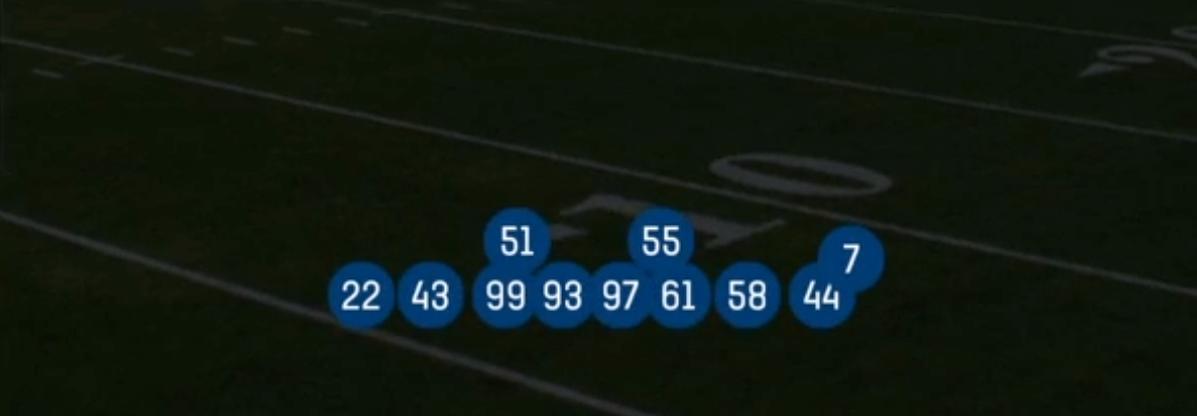
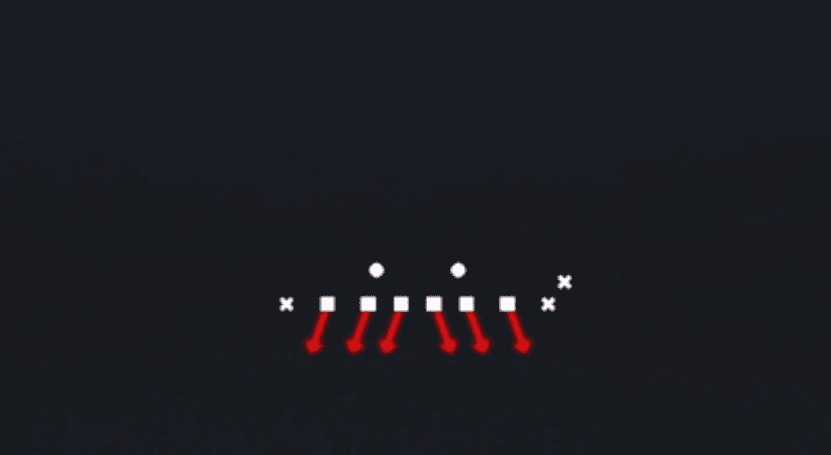
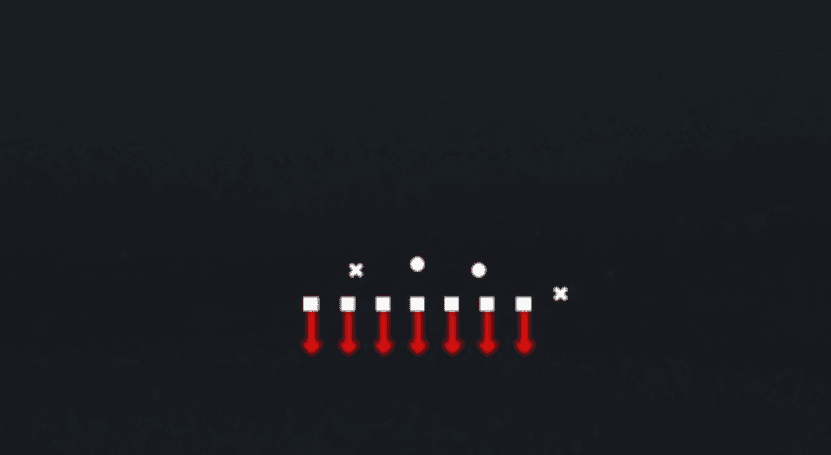
Goal Line Defense is Madden's short yardage and red zone wall, built from 6-2-3 personnel that stacks the line of scrimmage with heavy bodies and leaves only three defensive backs behind them. Across its three sets (Pinch, 5-3, and 6-2), linemen align in tight techniques over the guards, tackles, and tight ends. Linebackers sit shallow, often just a yard or two off the ball, and the secondary is compressed near the goal line or line to gain. The Pinch set slants linemen inside to crash A and B gaps. The 5-3 swaps a lineman for a third linebacker, which adds some flexibility against play action and quick flat throws. The 6-2 is the purest run stuffing look, with six down linemen who win gap assignments by sheer numbers.
The philosophy is simple: outnumber the offense at the point of attack and deny any push on inside zone, power, dive, and QB sneak. With so many defenders in the box, the offense usually cannot account for every gap with its blockers, so an unblocked linebacker or safety meets the ball carrier in the backfield. Only 13 plays are in the formation, and they lean heavily on Cover 0 and Cover 1 man with blitz pressure. That makes the formation a statement that you will live with the pass to kill the run.
Against heavy offensive personnel like Goal Line, Jumbo, or 22 and 23 Heavy sets, Goal Line Defense creates a physical mismatch in the trenches that forces the offense to either throw into tight man coverage in a shrunken field or run into a stacked wall. Its effectiveness depends on reading offensive personnel correctly, because any spread look punishes the thin secondary immediately.
At a Glance
Goal Line Defense fits any base 4-3 or 3-4 defensive scheme as a situational package and is most valuable against power run, heavy personnel, and QB sneak heavy play-callers who try to bully their way into the end zone. It struggles against spread, air raid, and RPO-heavy systems, so it should be called selectively based on offensive personnel. Rosters with strong, high block shedding defensive tackles, physical linebackers with elite pursuit and tackle ratings, and at least one press man corner who can hold up in isolation get the most out of this formation.
Strengths
- Unmatched gap control with six down linemen in the 6-2 set, letting defenders win A and B gaps on dives, sneaks, and inside zone before the back reaches the line
- Pinch set line slants create instant penetration against power and counter, blowing up pulling guards and forcing runs to bounce outside into waiting linebackers
- Cover 0 and Cover 1 man calls pair naturally with the compressed red zone field, since short routes have little room to separate near the end line
- The 5-3 set adds a third linebacker who can be assigned a QB spy or flat hook, giving you a counter to bootleg and play-action rollout attempts without leaving the formation
- Perfect personnel matchup against offensive Goal Line and Jumbo packages, where heavy tight ends and fullbacks cannot out-leverage the extra linemen at the point of attack
Weaknesses
- Only three defensive backs means any spread, bunch, or trips alignment creates immediate numbers advantages outside, and offenses can audible to quick outs or fades against isolated corners
- Play-action rollouts and bootlegs punish the aggressive run fits, especially when linebackers bite hard and the tight end leaks into the flat behind them
- Outer zone and toss plays get to the edge quickly because the formation is built to stuff interior gaps, leaving contain vulnerable if you do not set edge assignments
- With just 13 plays and heavy reliance on man coverage, the play art is predictable, so skilled opponents will hot route slants, drags, and pick concepts that beat man near the goal line
- Any breakaway run that clears the first level has nobody behind it, turning a missed tackle into a touchdown or chunk gain outside the red zone
Usage Tips
Deploy Goal Line Defense on 3rd or 4th and 1, inside the 3 yard line, or whenever the offense substitutes into Goal Line, Jumbo, or heavy two tight end personnel
If the offense motions a tight end or back out wide, audible out or shift your linebackers and man align a defender with the motion man to avoid an uncovered flat receiver
Use the 5-3 set on obvious passing downs inside the 5, and user the middle linebacker to lurk over slants and drags while the line plays the run
Set outside contain or hook zone assignments on edge defenders when the offense shows toss or outer zone tendencies, since interior slants leave the perimeter exposed
Mix Pinch run blitz calls with Cover 1 looks from the same alignment so the offense cannot read your intentions pre-snap, and avoid showing identical defensive shifts every time you line up