Playbooks

At a Glance
Overview
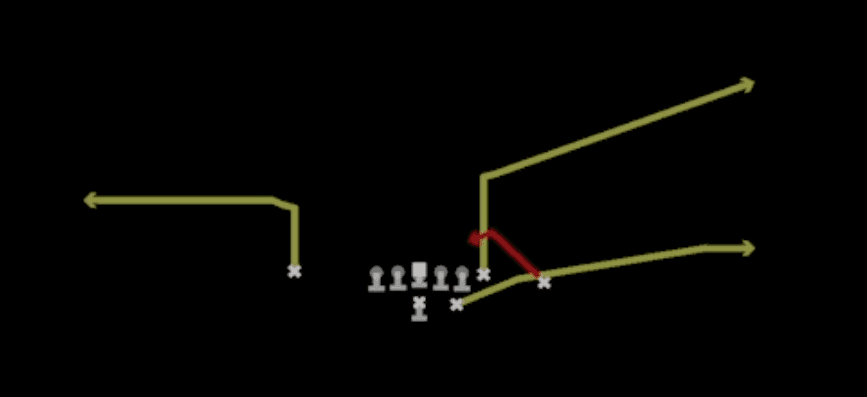
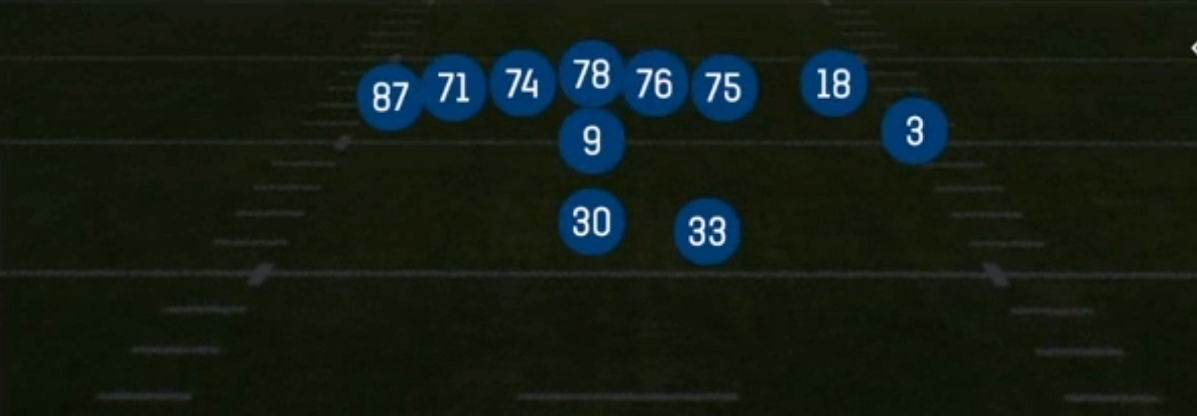
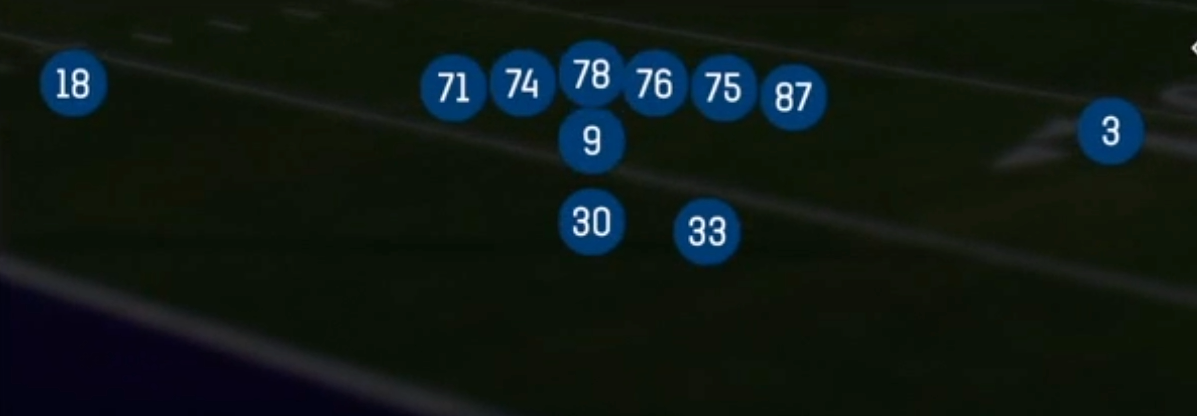
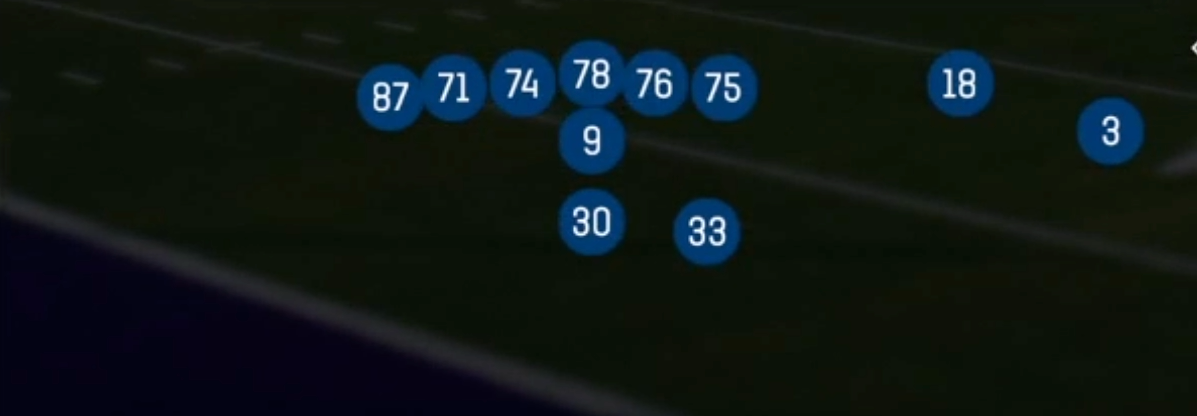
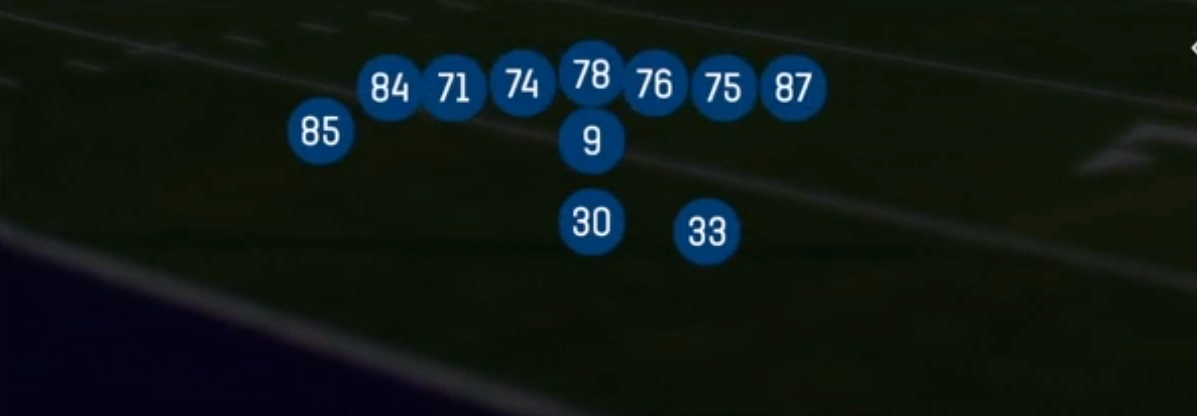
The Close set in the Near formation is a compressed 21 personnel look: two backs, one tight end, and two wide receivers. The fullback is offset to the strong side in the Near alignment, and the receivers are tightened into reduced splits close to the core of the formation. Other sets in Near spread the receivers to the numbers. Close squeezes everything inside, and that changes how defenses align. Corners have to play tighter and deeper to handle release angles, safeties get pulled toward the box, and linebackers must respect a downhill run game with a lead blocker already aimed at the strong side.
The reduced splits are what make this set work. Receivers aligned close to the formation get free releases, natural rub opportunities, and space to break outside, so crossers, spot routes, and flow routes are very effective. Press is also harder to play because the receiver has room on both sides. The Gadget tag fits because Close disguises intent: the same compressed look can run HB Inside or FB Dive, then use play action off identical backfield flow to throw PA Strong Flow or Post Drag.
The 21 personnel package forces a matchup decision. Base defense lets you work the tight end and fullback against linebackers in the flat and seam. Nickel lets you pound HB Inside against lighter boxes. Spacing and Z Spot give you quick, high-percentage answers to zone, and Post Drag works as a layered man and single high beater. Close is a small but complete set: run, play action, quick game, and a vertical shot from one compact alignment.
Strengths
- Reduced receiver splits create natural rubs and pick-style releases on Post Drag and Z Spot, making both strong man beaters against Cover 1 and Cover 0 without needing any hot routes.
- The offset fullback in Near sells HB Inside and FB Dive, so PA Strong Flow pulls linebackers downhill and leaves the flat and intermediate zones open against Cover 3 and Cover 4.
- Spacing and Z Spot give fast horizontal stretches that punish Cover 2 and Cover 3 flats. The spot and flat combo high-lows the flat defender for easy completions on early downs.
- The compressed alignment pulls safeties and corners inside, which opens the outside for flat routes, and the receivers' free releases make press coverage risky for the defense.
- The 21 personnel matchup problem is real. Base defense gives you tight end and fullback mismatches on linebackers, and nickel or dime looks let you run HB Inside against a light box.
Weaknesses
- The tight alignment compresses the field, so a user-controlled linebacker or safety sitting in the middle hook can jump drag and spot routes because every route breaks through a small area.
- With the receivers tight, a Cover 2 Sink or Tampa 2 with a user in the middle can take away the intermediate zone on Spacing and Post Drag, forcing checkdowns.
- The play list is thin at only six plays, so opponents can quickly key backfield flow and fullback alignment to diagnose run versus play action once they see your tendencies.
- Play-action plays like PA Strong Flow need longer to develop, and a nano blitz off the weak edge or a cross-dog linebacker blitz can get home before the flow route clears, especially if the fullback releases instead of chipping.
- The lack of true deep isolation makes it easy for defenses to play tight corner technique and squeeze everything underneath without paying for it vertically.
Usage Tips
Open drives with HB Inside and FB Dive out of Close to establish the downhill run, then use PA Strong Flow on 2nd and short or 1st and 10 once the linebackers start triggering on backfield flow.
Read the safety pre-snap: against single high, go to Post Drag and target the post off the drag rub; against two high, check to Spacing or Z Spot and throw the quick flat or spot route.
Against heavy blitz looks, hot route the fullback or tight end to block or a quick slant, or audible to Z Spot for a fast release that beats man pressure before it reaches the quarterback.
On 3rd and medium, Spacing is the go-to because it high-lows the flat defender and stays reliable against both man and zone, with the spot route as the sticks throw.
If the defense sits in nickel or dime to cover your receivers, audible to HB Inside and run into the lighter box. Save play action for when they bring base personnel and crowd the line.