Playbooks
Quick Reference
In 2 playbooks
Breakdown
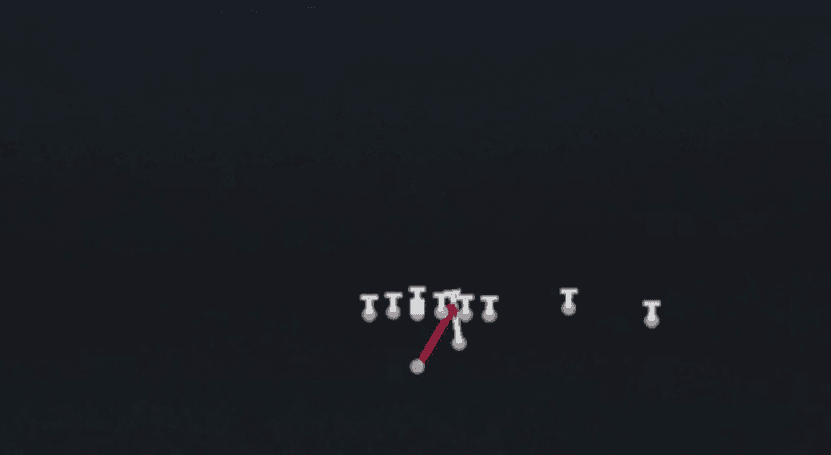
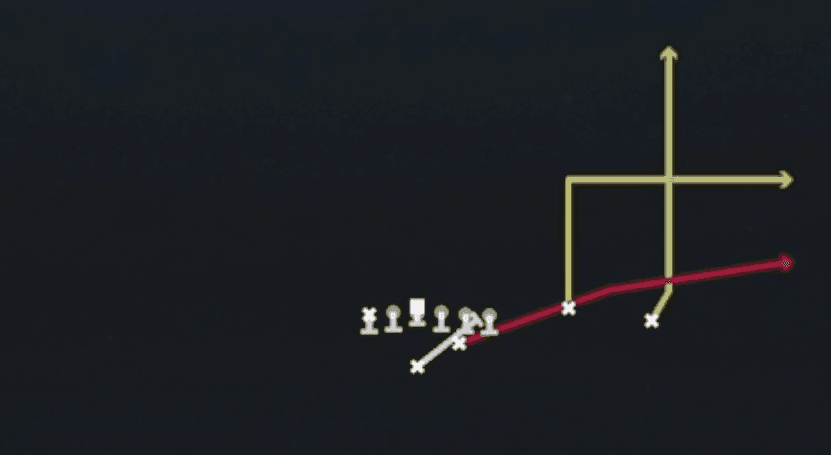
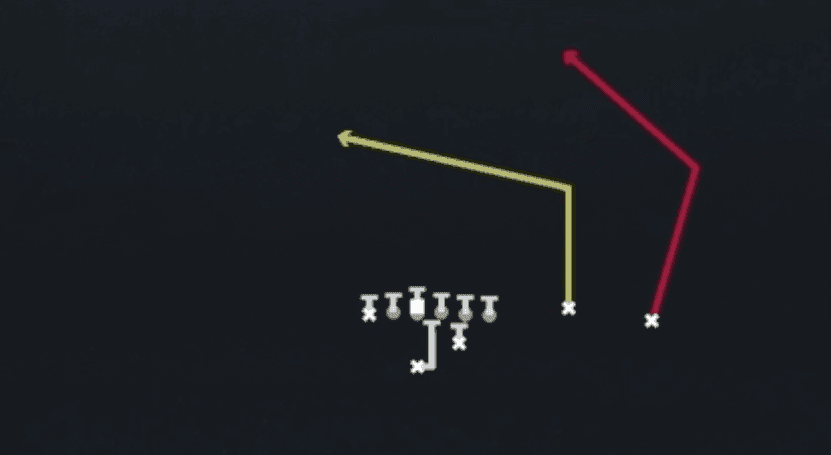
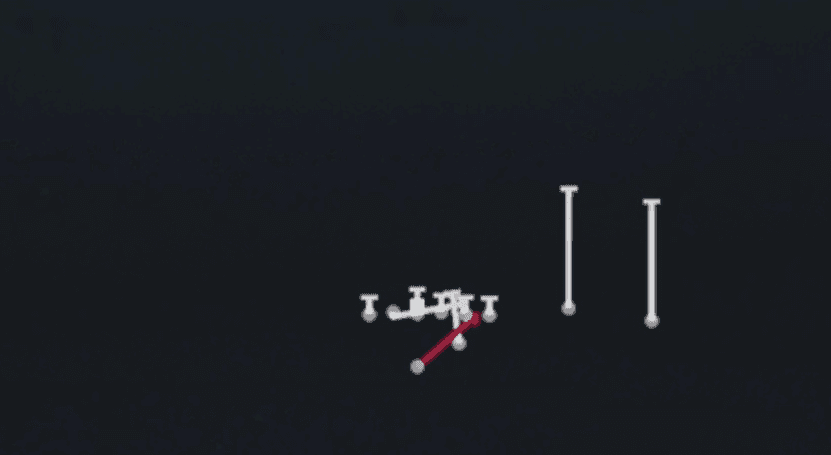
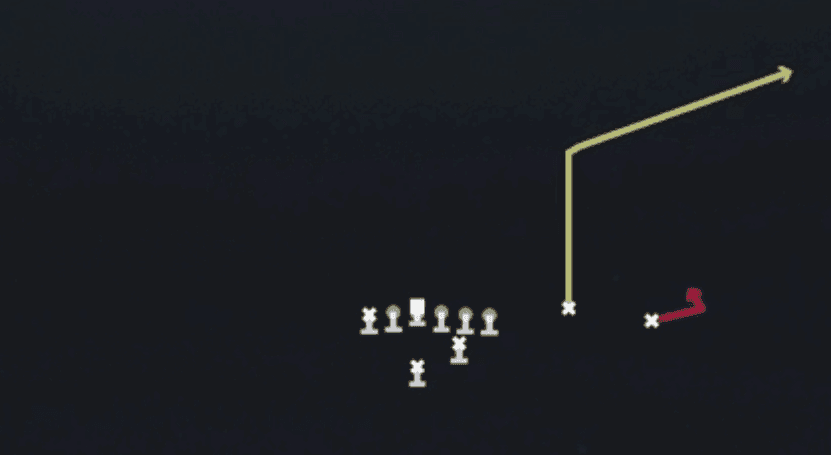
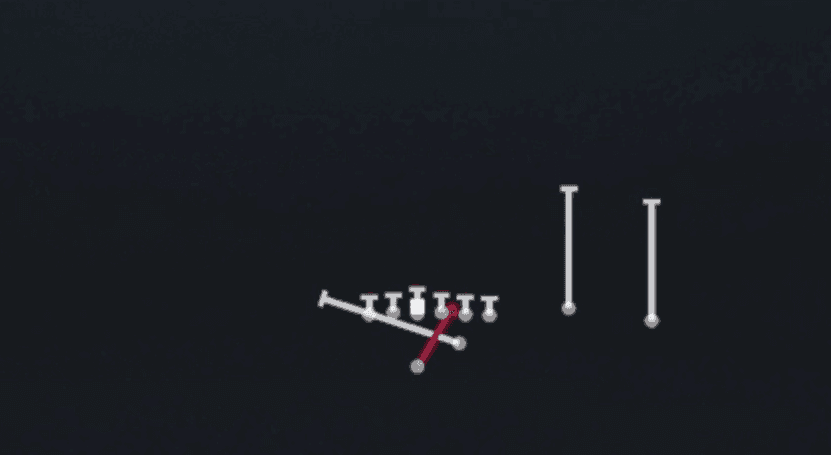
Inside Zone Split lines up out of Strong I in the Twins Over set with 21 personnel, showing a fullback and offensive line flowing in unison toward the play side for a zone blocking scheme. The HB takes the inside zone handoff and reads the double teams up front, hitting whichever crease opens between the guards and tackles rather than a predetermined gap. This is a run play built to attack light boxes and gap discipline, with the twins receivers to the outside serving only as clear-out decoys rather than active route options.
Defensive Reads
Watch for a stacked box with eight defenders showing blitz, since Inside Zone Split has no answer for extra unblocked rushers and will get stuffed at the mesh point. Key the play side linebacker depth before the snap, if he is sitting tight to the line he is reading run fast and will scrape over the top of the zone blocks quickly. Identify two deep safeties versus one high safety, a two high shell often means lighter run support underneath which favors the cutback lane on inside zone. Look for a user controlled defender flowing hard downhill immediately after the snap, this is typically the defense keying the fullback lead block and jumping the play early. Man coverage on the twins side combined with a slanting defensive line usually clogs the backside cutback, so plan to hit the play side crease decisively rather than bouncing it outside.
Usage Tips
Check the box count before the snap and only run this against 6 men or fewer in the box since the fullback and line are committed to zone flow with no extra blocker for an eighth defender. Use the fullback as your primary lead blocker key, he will identify the first threat off the edge or the play side linebacker filling downhill. Motion the twins receiver across formation pre-snap to bait the defense into revealing man coverage versus zone, since a defender following the motion confirms man and tells you the alignment will be more spread out on the backside. Pair this with Power O and HB Blast from the same Strong I set to keep defenders honest on both zone and gap schemes, forcing linebackers to hesitate on their run fits. Lean on this call on early downs, first and ten or second and short, when defenses are more likely to stack the box with base personnel instead of nickel or dime looks.