Playbooks
At a Glance
In 1 playbook
Overview
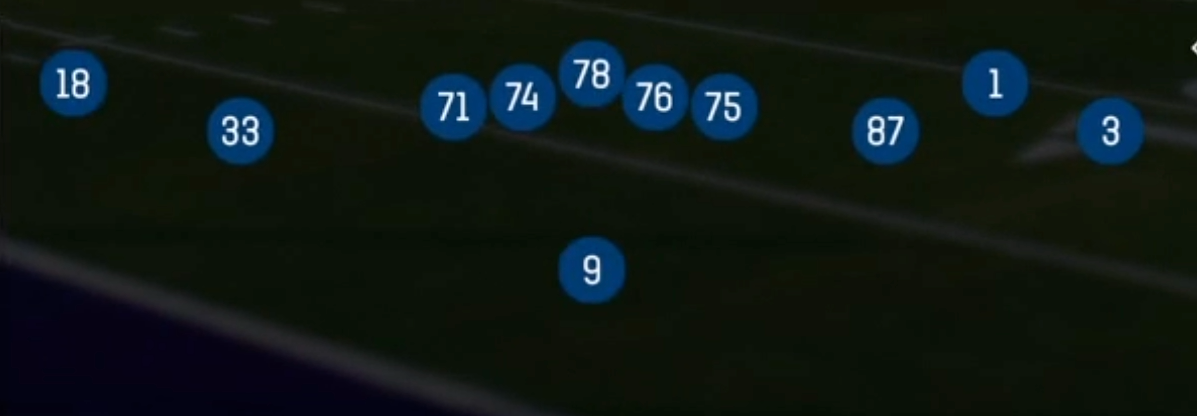
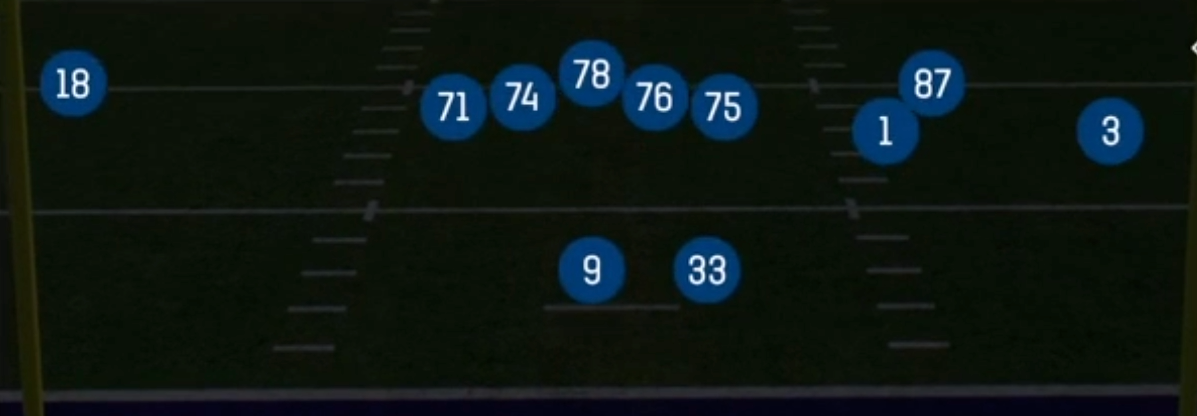
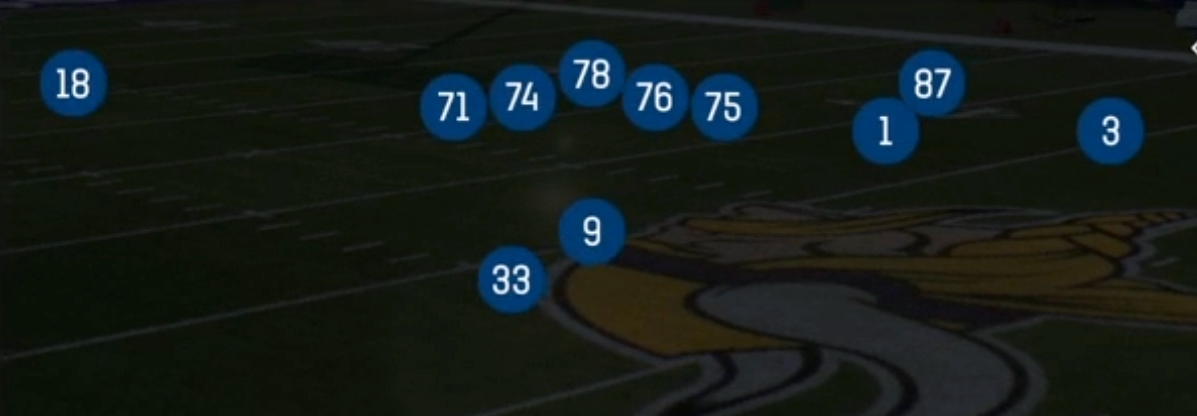
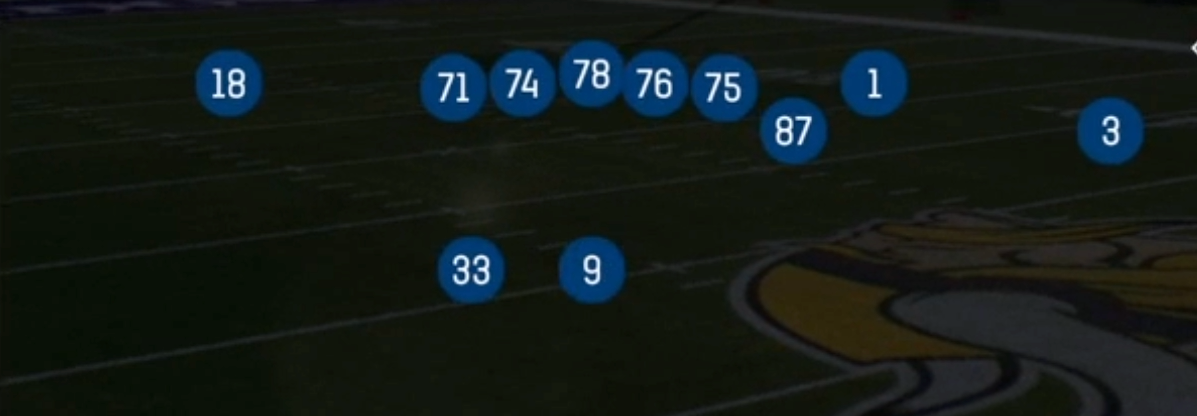
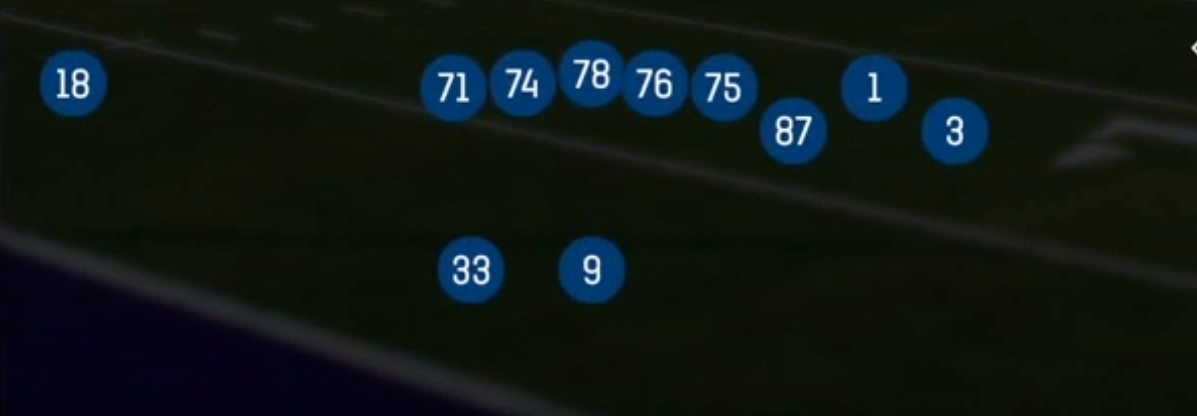
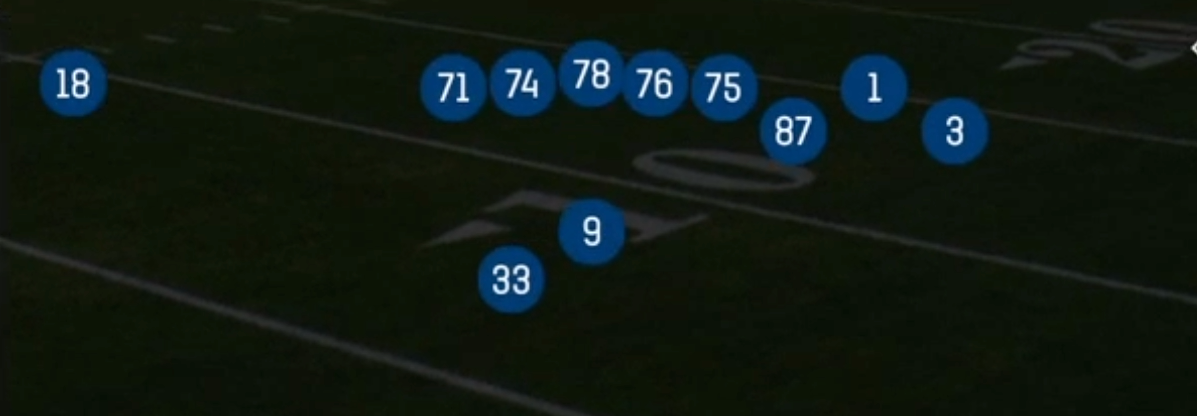
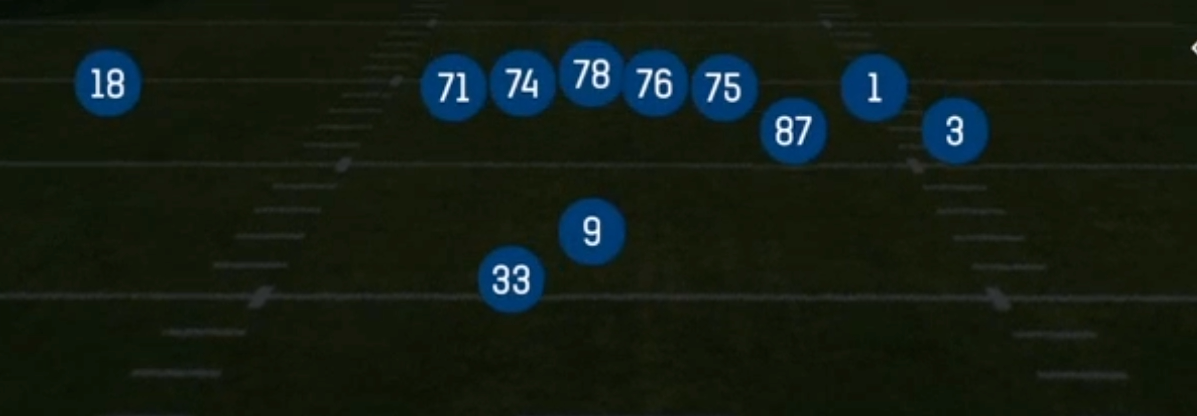
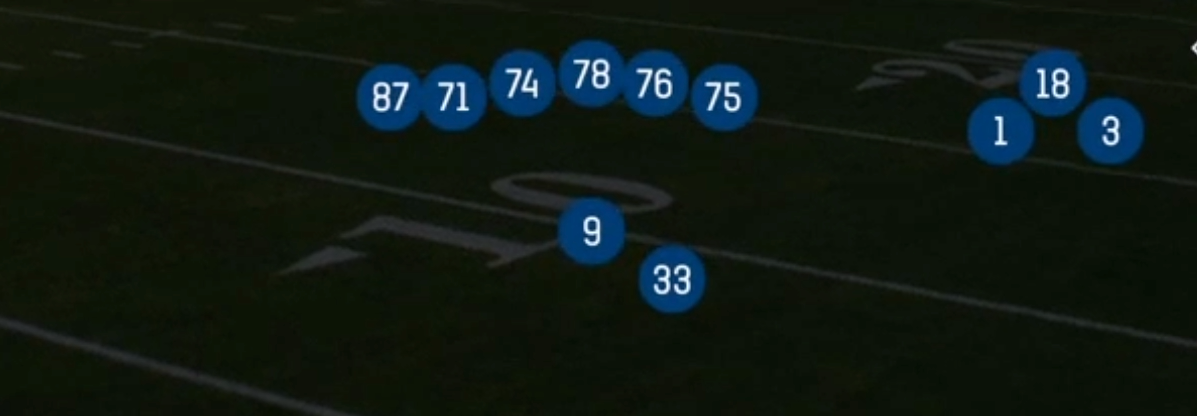
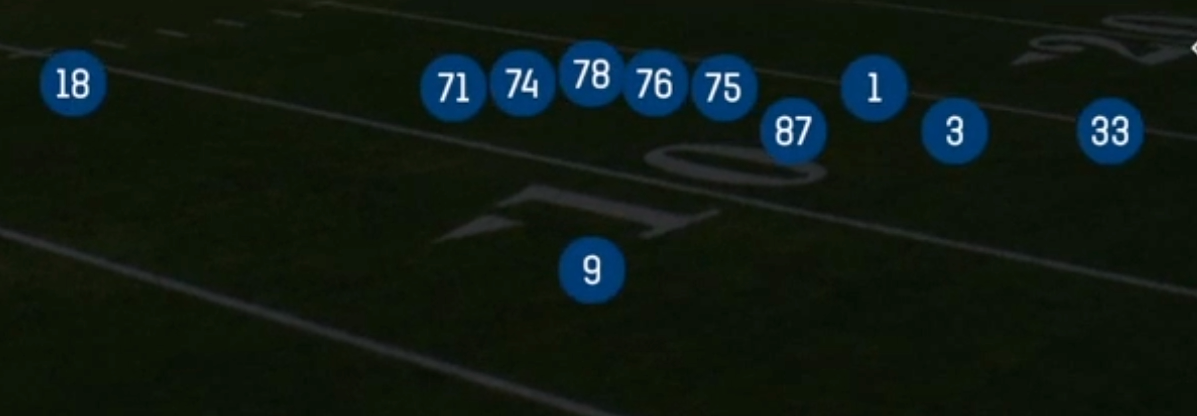
Y Trips 1 Slot is a Shotgun set out of 11 personnel (1 RB, 1 TE, 3 WR) that puts the Y tight end into a three man surface to the trips side, paired with a slot receiver and an outside receiver. The backside X receiver is isolated, and the running back sets next to the quarterback. Standard Shotgun Trips looks stack three wideouts together. This set uses the tight end as a trips component, so the defense has to decide whether it is a blocker or a receiving threat. That hybrid surface makes it hard to match personnel, because defenses that sub in nickel to handle three receivers are giving up size against the Y, while base defenses are stuck with linebackers trying to carry a slot receiver.
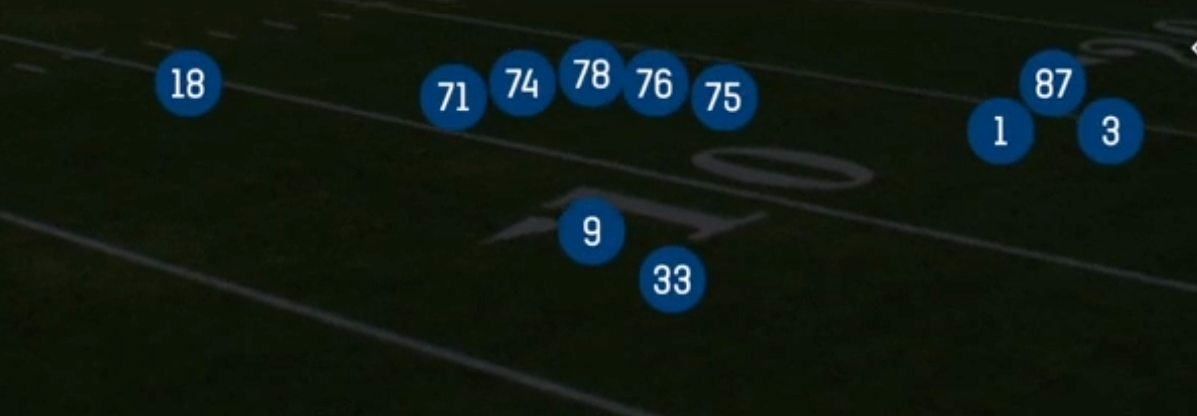
The set is thin, with Scene 44-2 as its only play. It carries the 3DRB and Gadget tags, which tells you what the set is for: getting the ball to the third down back in a scripted, misdirection style concept rather than serving as an every down base look. The trips surface pulls the defense's leverage and rotation toward the strong side, which opens the backfield and weak side for the running back to attack once linebackers have committed to the three man side.
The matchup value comes from the overload. Trips with a tight end usually draws a safety rotation or a linebacker bump toward the Y side. That leaves the isolated X in one on one coverage on the backside and puts the RB against a linebacker who has been pulled out of position by the trips distribution. Scene 44-2 is a situational weapon that preys on defenses keying the obvious trips read, not a set you live in.
Strengths
- The Y tight end inside the trips surface forces a personnel dilemma: nickel gets bullied by the TE's size, and base defenses put linebackers on the slot.
- Trips overload pulls safety rotation and linebacker leverage to the strong side, which opens the backfield and weak side for the 3DRB concept in Scene 44-2.
- The isolated backside X draws single coverage against Cover 1 and Cover 3 rotations, which makes him a quick hot route option (slant or fade) if the defense overcommits to trips.
- The Gadget tag means the play relies on misdirection and eye discipline breaks, which is effective against aggressive user controlled linebackers and players who flow hard to the ball.
- It works well against opponents who spam matchup zone or trips checks, because those adjustments over-shift coverage and leave the RB matchup soft.
Weaknesses
- With only Scene 44-2 in the set, your tendency shows immediately. Opponents who see Y Trips 1 Slot can key the gadget and sit a user on the running back.
- A user controlled linebacker or spy shadowing the RB kills the concept before it develops, and the set has no complementary play to punish that choice.
- Gadget concepts need time to develop, so nano blitzes and overload pressure off the backside edge can blow the play up before the misdirection hits.
- Opponents who refuse to rotate to trips and play balanced Cover 2 or Cover 4 with sound linebacker spacing take away the numbers advantage the set depends on.
- The TE is a trips component instead of an inline blocker, so backside pass protection is lighter and edge pressure has an easier path to the quarterback.
Usage Tips
Treat Scene 44-2 as a scripted call. Save it for third and medium or high leverage moments after you have shown other trips looks from different sets, so the defense is already conditioned to overplay the three man side.
Read the pre-snap shell. If a safety rotates down toward trips or a linebacker bumps out over the Y, the backfield and weak side are soft and the 3DRB concept is live. If the defense stays balanced, audible out.
Find the user before the snap. If the opponent is manually hovering a linebacker near the running back, do not force the gadget. Check to a play from another set in your audible slots instead.
Before the snap, consider hot routing the isolated X to a slant or quick out as an emergency outlet. That gives you an answer if pressure arrives before the gadget develops.
Use it sparingly, once or twice a game at most. Its value comes from surprise, and repeated calls let the opponent's user adjust and turn a trick play into a turnover.