Playbooks
Likely unavailable in the playbook builder

Quick Reference
Not in any team playbook.
Breakdown
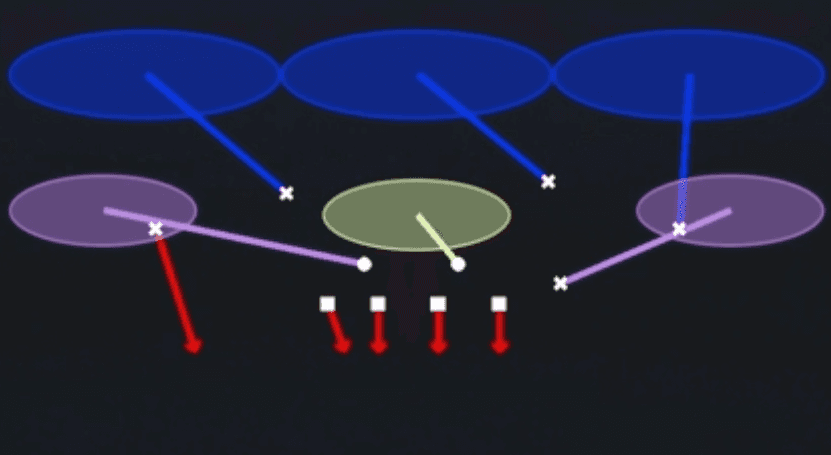
Free Fire is a blitz-tagged coverage play out of the Big Nickel 4-2-5 personnel in the Under set, showing five defenders in coverage underneath with tight, shallow drops and no deep safety help visible in the route/drop diagram. The diagram shows two vertical seam-carrying defenders (the dot-marked players climbing before pushing down), flanked by three straight-drop underneath defenders, indicating a man-match or blitz-fire zone concept where extra rushers are sent while the remaining defenders squat on short and intermediate routes. This is a blitz package designed to disrupt the pass before the quarterback can climb the pocket, so the primary read progression starts with confirming which gap the fire blitz overloads pre-snap, then working from the underneath defenders outward to close on any hot route or quick game beater thrown against the pressure.
Defensive Reads
Pre-snap, check for two-back or heavy protection formations, which slow down the fire blitz and let the offense pick up extra rushers, neutralizing this call. Post-snap, key the quarterback's eyes toward the underneath flood side, since the shallow drop defenders in this design are sitting on quick game and slant/flat combos. Watch for RPO or run action from spread sets, since committing extra rushers on Free Fire leaves the box light and vulnerable to inside zone or draw if the offensive line down blocks convincingly. This play beats teams that hold the ball and climb the pocket looking for a deep shot, but it gets exposed against quick-game passing attacks with pre-determined hot routes to the boundary. Identify the seam-climbing defenders in the diagram as your window against vertical crossers, since they are responsible for taking away in-cut and deep dig routes before settling into underneath help.
Usage Tips
Use Free Fire on third and medium to third and long when you expect the offense to hold protection for a deep shot, since the fire zone pressure gets home before the route develops.
Check the offensive formation pre-snap for empty backfield or max protect looks, both of which tell you whether the blitz will be picked up or whether you get a favorable one-on-one on the edge.
Combine this call with Cover 1 Hole or Cover 1 Slant Crash earlier in a series so the offense sees a similar pre-snap picture from Big Nickel and cannot key the blitz off alignment alone.
Motion boost or user the underneath defender closest to the trips or bunch side to jump any quick out or slant that offenses use to beat blitzes, since the shallow drops in this play are designed to sit on those throws.
Avoid calling this on obvious passing downs against teams that run hot route sight adjustments to hitches, since the fire zone leaves shallow throwing lanes open if the rush does not get immediate pressure.
Other Plays in Under
 2 Invert Hard FlatCover 2, Inverted Coverage, Zone Coverage
 Cover 1 FS FireCover 1, Blitz, Safety Blitz +1
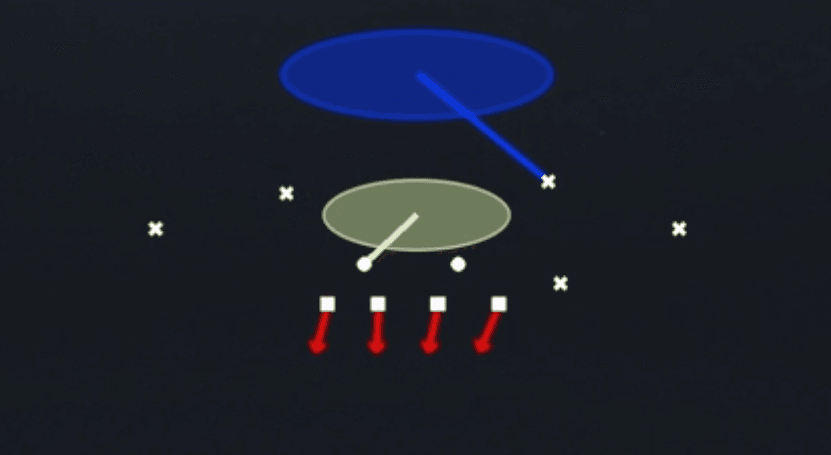 Cover 1 HoleCover 1, Cover 1 Hole, Man Coverage
 Cover 1 Slant CrashCover 1, Line Slant, Line Stunt +1
 Cover 2 InvertCover 2, Inverted Coverage, Zone Coverage
 Cover 2 ManCover 2 Man, Man To Man, Man Coverage
 Cover 3 MatchCover 3, Cover 3 Match, Zone Coverage
 Cover 3 Sky WkCover 3, Cover 3 Sky, Zone Coverage
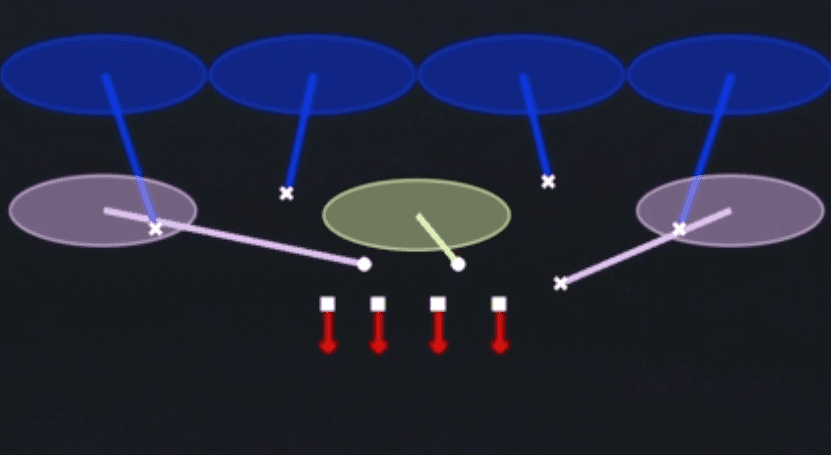 Cover 4 QuartersCover 4, Quarters, Zone Coverage
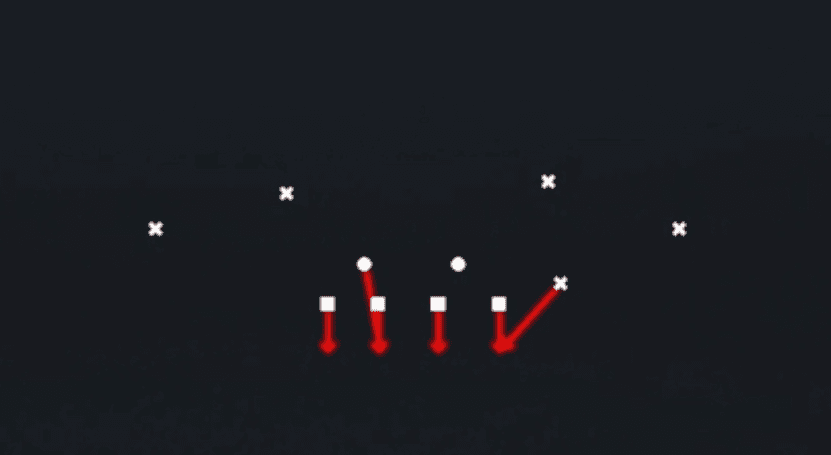 Hammer O BlastBlitz, Safety Blitz
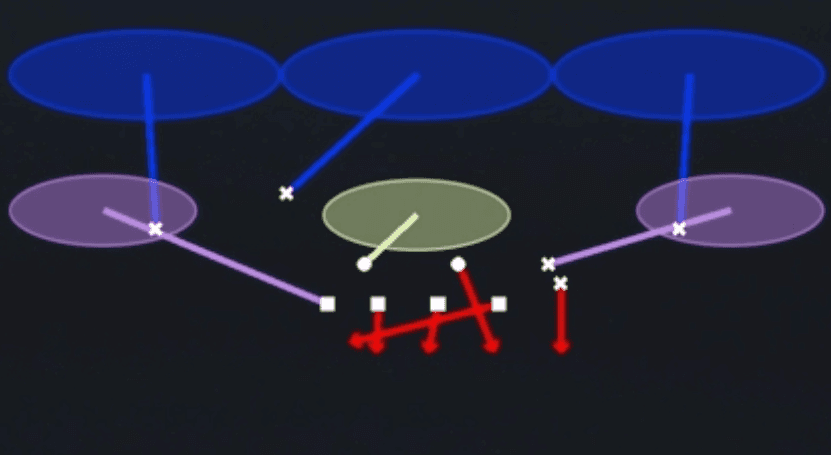 Mike Sam Crash PressLB Blitz, Line Stunt, Blitz
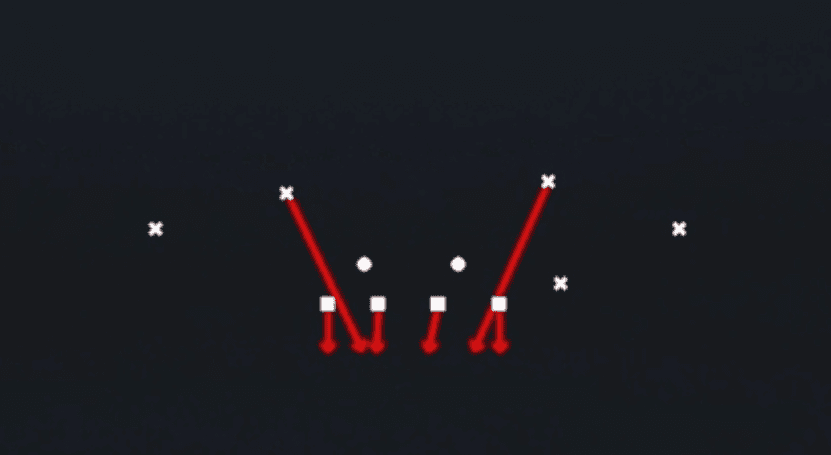 Safety BlitzBlitz, Safety Blitz
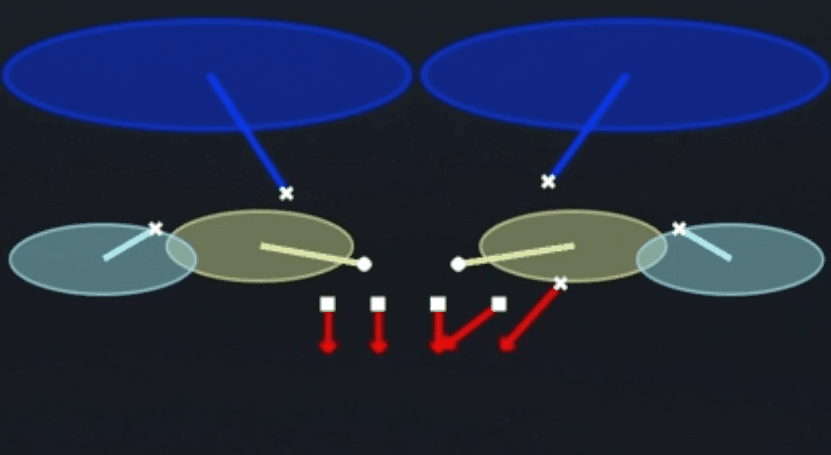 Sam Blitz 2Cover 2, Blitz, LB Blitz +1
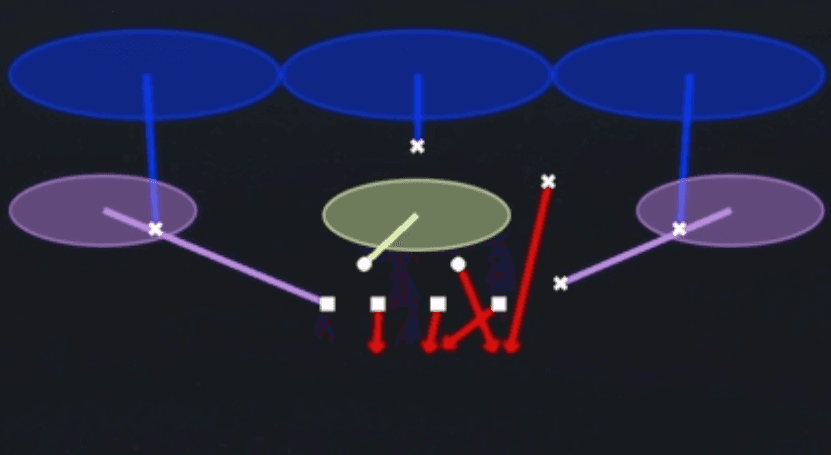 SS Sam Crash PressLB Blitz, Line Stunt, Blitz
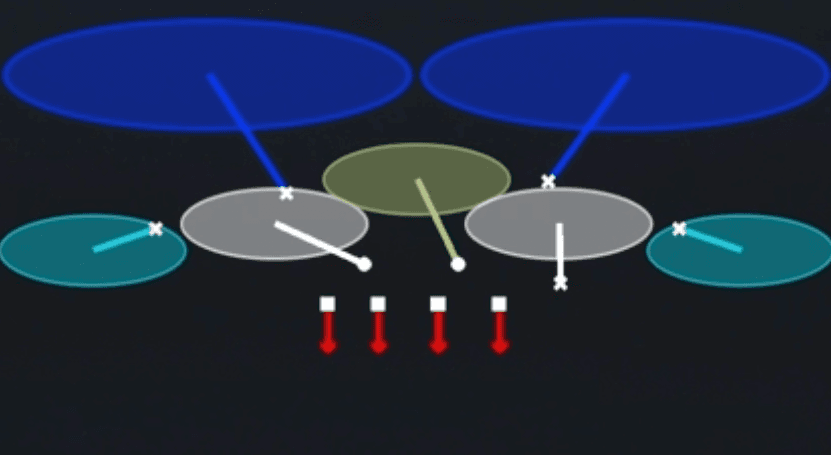 Tampa 2Cover 2, Tampa 2, Zone Coverage
 Will Go Fire 3Cover 3, Blitz, LB Blitz +1
 Wk Corner BlitzBlitz, Corner Blitz