Playbooks
Franchise Playsheet
4-3
PlaysheetDefenseOverview
4-3 is a compact, single-formation situational playsheet. All 27 of its plays come out of the 4-3 front, spread across 3 sets. It is only larger than 17% of the game's 30 defensive franchise playsheets, so it sits toward the small end of the pool. The trade is simple: you give up front variety and get a tight, focused menu out of one look. Every call shows the same base personnel. The opponent cannot use formation recognition to guess whether pressure or coverage is coming.
The concept list covers both halves of a complete defensive game plan. On the pressure side you get Cover 0 and Zero Blitz calls, Safety Blitz looks, generic Blitz calls and Line Stunts. On the coverage side you get Cover 1 (including Cover 1 Contain), Man Coverage, Cover 2, Inverted Coverage, Cover 3 and Cover 3 Match zone. That range lets you run man and zone, sit back or bring the house, all without substituting out of Base 4-3.
Choose 4-3 if you want a disguise-first plan built on one look. Your four down linemen and three linebackers stay on the field. The pre-snap picture barely changes while the post-snap rotation moves from single-high to two-high to inverted shells. It suits franchise players who would rather master a few calls than scroll a bloated book. It also suits anyone who wants stunts and zero pressure without learning several fronts.
Scheme Fit
4-3 wants a four-man front that can win one-on-one, especially on Line Stunts. It also needs three rangy linebackers with the coverage ratings to survive in man, since there is no nickel sub to protect them. Press-capable corners and a safety who can both rotate into Inverted Coverage and blitz make the pressure and disguise calls work. Pick this sheet if you prefer a simple, disguise-heavy plan out of base personnel and can user a linebacker or safety to cover the middle.
Playsheet bonuses
- IUnlocks the playsheet
- II+3Block Sheddingall EDGE & DT
- III+3Tackleall Linebackers
- IV+7Play Recall defenders
Every play in this playsheet (27 plays)
4-3 Over Solid9 plays



4-3 Over Walk9 plays


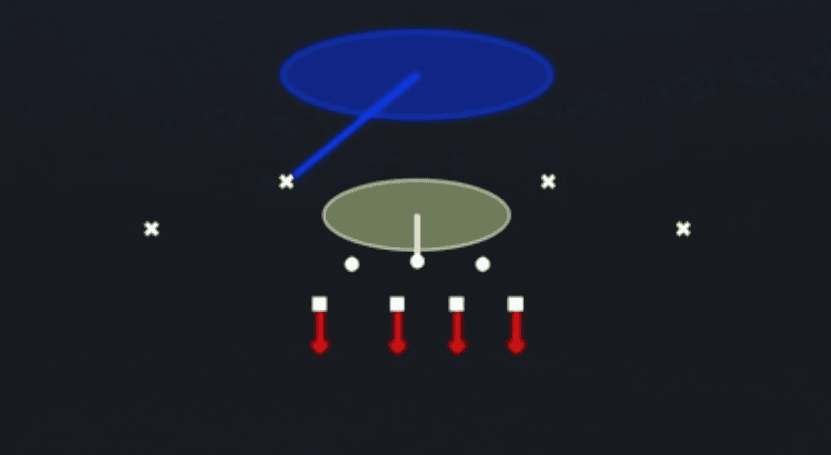
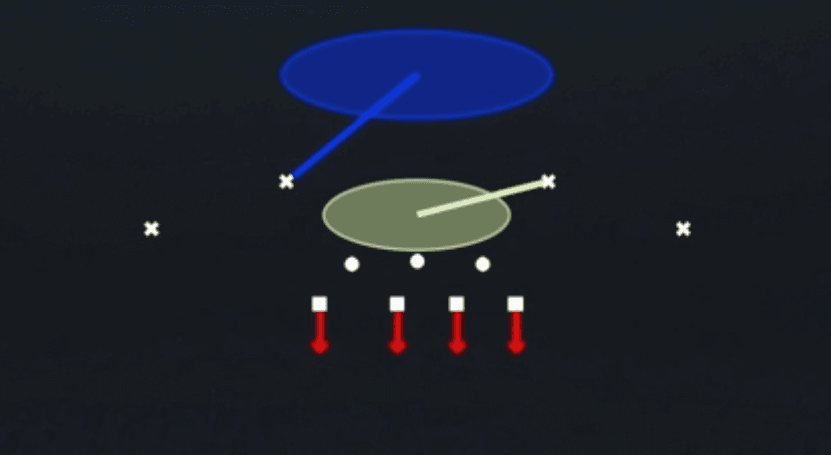


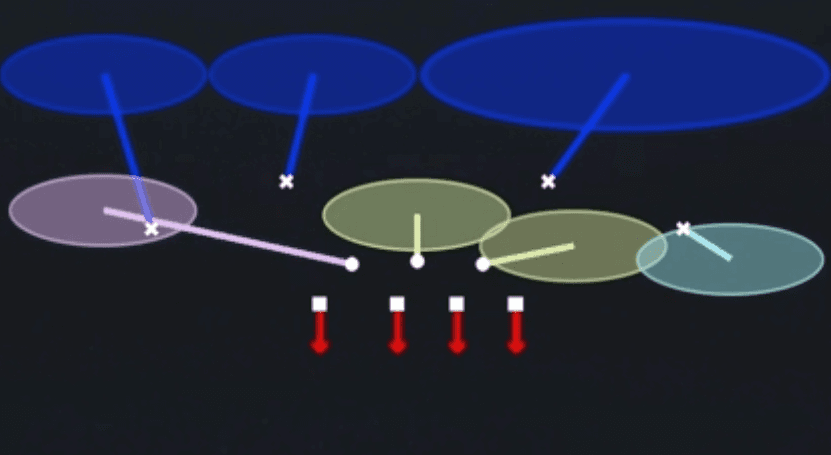
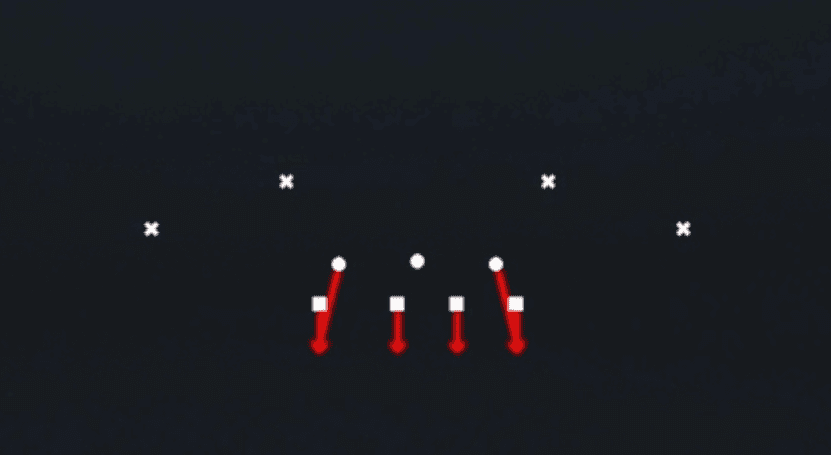

Find plays by concept, not by formation
Search every playbook by tag and personnel grouping, not just 4-3.
Strengths
- Every one of the 27 plays comes from the 4-3, so your pressure and coverage calls look identical before the snap. Offenses reading formation tells get nothing to key on.
- The sheet mixes Cover 0 and Zero Blitz calls with Cover 2, Cover 3 and Cover 3 Match out of the same front. You can show the same alignment and either bring everyone or drop into a sound zone shell.
- Inverted Coverage and Safety Blitz calls out of Base 4-3 let you rotate the secondary late. The QB's read changes after the snap without any formation sub.
- Line Stunt calls give your four-man rush a way to create interior pressure without sending extra defenders. The Cover 1 and zone calls behind the stunt stay intact.
- The small, single-formation menu makes audible packages fast to build. Moving between Cover 1 Contain, a zero pressure and a Cover 3 Match call takes minimal navigation between snaps.
Weaknesses
- With 100% of the sheet in the 4-3, there is no nickel or dime front. Spread offenses in 10 or 11 personnel can force linebackers into man matchups on slot receivers and running backs.
- No sub package for goal line or short yardage means heavy personnel sets face the same Base 4-3 bodies. You get no extra down linemen to plug interior gaps.
- The sheet is smaller than most of the 30 defensive franchise playsheets. A patient opponent can see most of your calls within a half and start matching route combos to your shells.
- The zero pressure calls (Cover 0 and Zero Blitz) leave no deep help. Quick slants, drag combos or a well-timed hot route can turn an unblocked rusher into a big play against you.
- Because everything is one front, opponents can stop worrying about personnel. They can focus entirely on reading safety depth, so sloppy disguise gets exposed quickly.
Usage Tips
Build your base audible package around four 4-3 calls: Cover 1 Contain, one Cover 3 Match, one Cover 2 and one Zero Blitz. That covers man, zone and all-out pressure from one alignment.
On 1st and 10, lean on Cover 3 Match or Cover 2 out of the 4-3. Your front can play the run honestly while the secondary stays sound against play-action.
On 3rd and medium, call Cover 1 Contain or a Line Stunt with man behind it. Contain rush lanes keep mobile QBs in the pocket while your corners press the sticks.
Save Cover 0 and Zero Blitz calls for 3rd and short or obvious pass downs. Only use them after you have shown two-high looks from the same 4-3 set, so the pressure arrives as a surprise.
Mix Inverted Coverage and Safety Blitz calls from the 4-3 when an opponent starts reading safety depth. Show one shell before the snap, then rotate or send the safety after it.
Formations in this playbook


Upgrade to Playbooks Rookie
- Filter every play by tag and concept
- Personnel groupings
- Premium play analysis